
As political figures and the public await the results of the Tuesday midterm elections, a significant worry lingers: What if Donald Trump refuses to accept the outcomes and misuses his power to overturn them?
Legal experts assert that the U.S. Constitution does not provide a president with authority over elections conducted in the 50 states. However, others highlight that the Constitution does not allow a president to incite a violent assault on the Capitol, yet Trump did that following a previous unfavorable election outcome.
The depths of his authoritarianism cannot be overestimated,
stated Ty Cobb, a former White House lawyer during Trump’s first term. He emphasized Trump’s willingness to exert power at any cost and warned of possible violence.
Following his return to office, Trump demonstrated a willingness to disregard laws, which resulted in dire consequences. He has deployed federal agents to cities against local officials’ wishes, aiming to capture undocumented immigrants. These actions have led to incidents, including deaths in Minnesota earlier this year.
Trump initiated an ongoing conflict with Iran without Congressional approval and ordered extrajudicial killings in the Caribbean and Eastern Pacific. These actions targeted individuals never officially charged with crimes.
Regarding the midterms, there are fears Trump might use illegal tactics to block Democrats from taking control of Congress. Reports suggest he has considered declaring martial law. He expressed regret for not seizing ballots illegally after losing the 2020 election.
When asked if he would accept the midterm results regardless of the outcome, Trump replied, Of course I will, but we don’t want cheating,
suggesting uncertainty.
Trump’s response raised questions about who would determine the occurrence of cheating.
Democracy advocates emphasize the legal system’s precedence, pointing to Trump’s Justice Department failures to suppress Democrat turnout before the 2026 midterms. Norm Eisen, a legal expert from President Barack Obama’s administration, expressed confidence that democracy and law will prevail.
Stephen Richer, a former election official in Maricopa County, shared experiences of intimidation when armed Trump supporters gathered to disrupt the election process following his 2020 loss in Arizona. Such incidents underscore the potential threats to election integrity.
Trump’s attempts to overturn the 2020 election were thwarted by key officials who prioritized the Constitution over his commands. A Republican source close to the White House expressed concern that such safeguards appear weakened now under loyal Trump allies.
Trump has consistently lied about U.S. election integrity since his political career began, claiming without evidence that various elections were fraudulent. His criticisms intensified during the 2020 elections, targeting mail-in voting and alleging foreign interference.
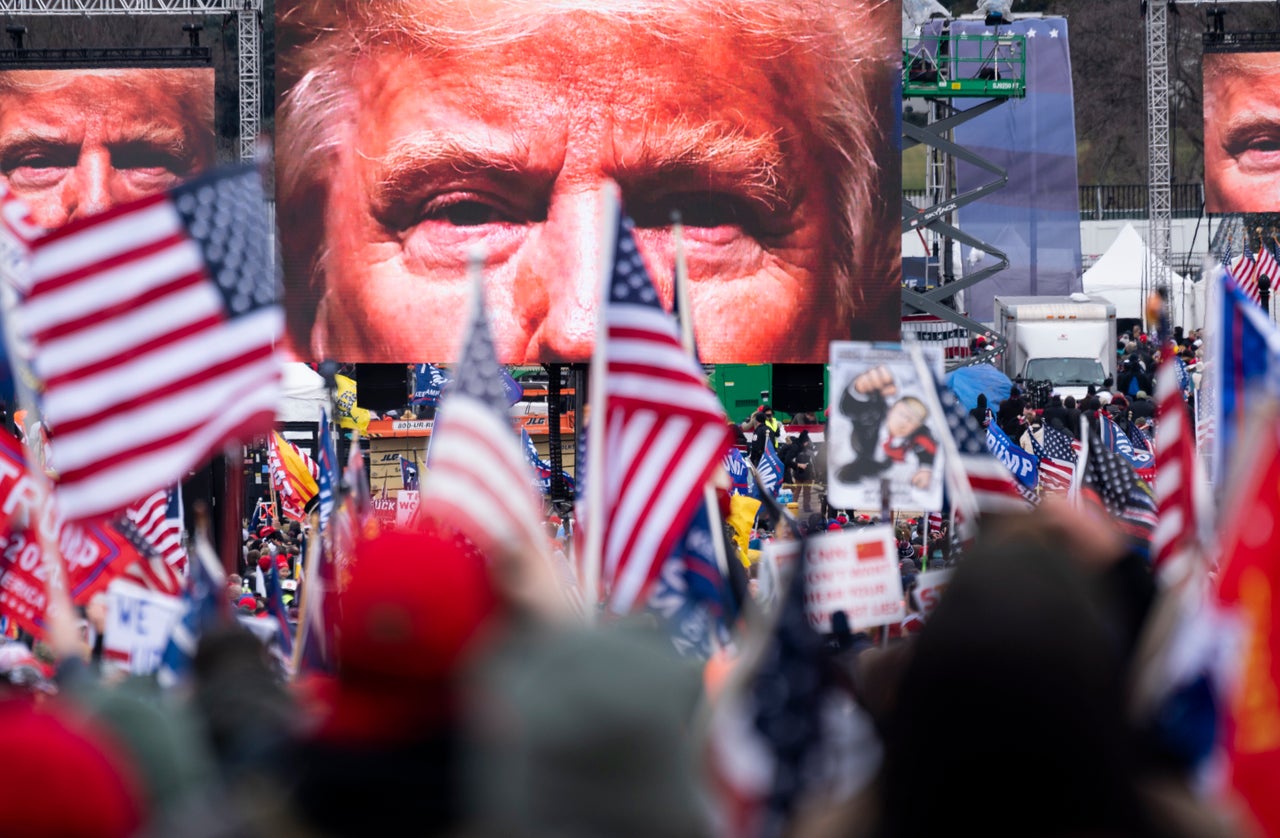
The lies continued post-election, leading to the Jan. 6 Capitol riot, resulting in numerous injuries and deaths. Trump observed the chaos from afar, delaying action to quell the violence.
Despite this, Trump has not denounced the actions that led to the violence. Instead, he repeats similar rhetoric, undermining public confidence in elections.
The potential for Trump to misuse presidential power looms as experts like Richer anticipate scenarios of conflict between federal and local authorities over election equipment seizures.
Optimism about the rule of law prevailing relies on broader societal mobilization to address potential legal breakdowns. The responsibility to prevent further chaos may fall on Republican leaders like John Thune and Mike Johnson to prioritize national interests over Trump’s influence.