
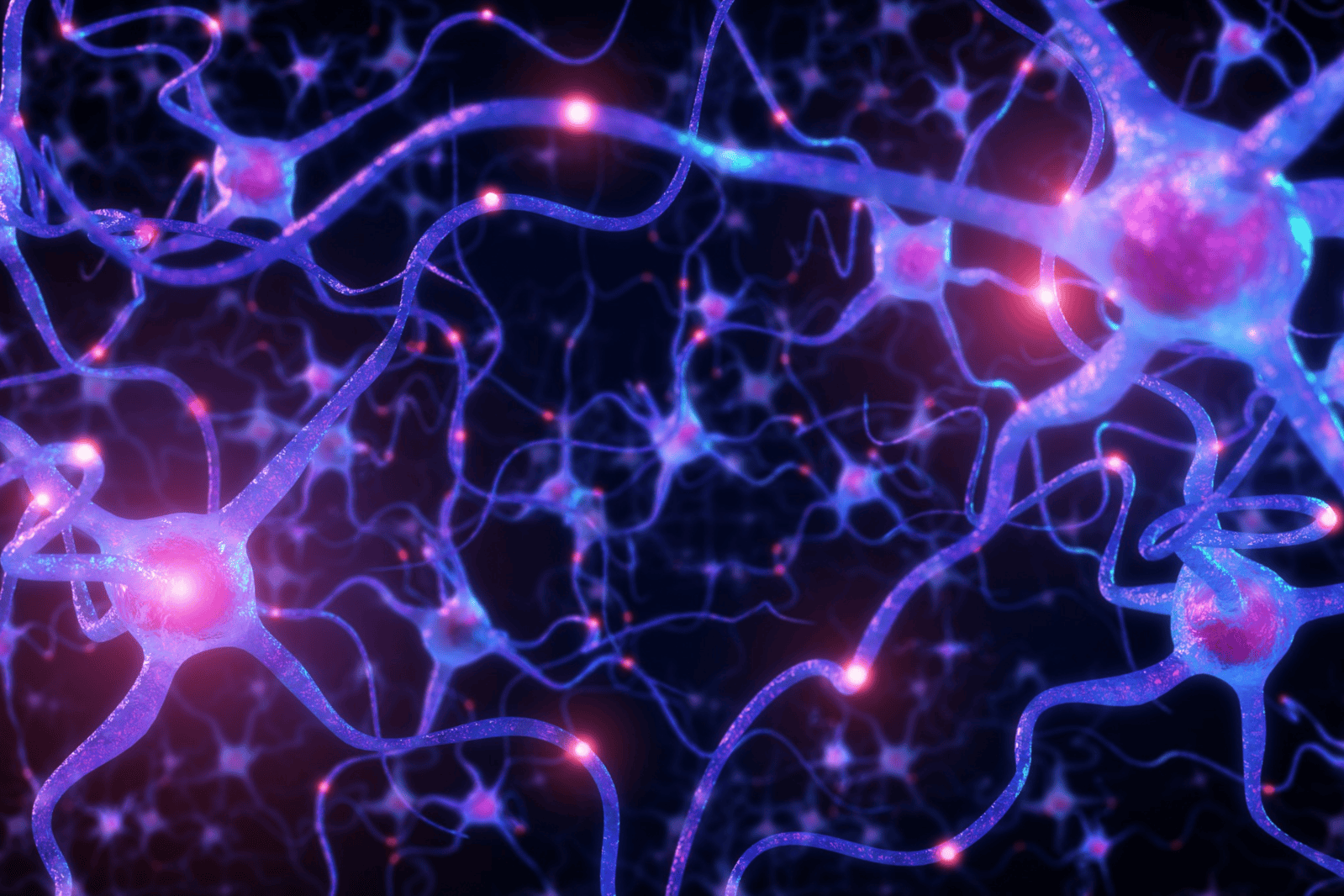
Some individuals exhibit the signs of Alzheimer’s in their brains but do not develop dementia. A study in Cell Stem Cell may provide answers to this phenomenon. Researchers examined postmortem human brain tissue and found a population of ‘immature’ neurons linked to cognitive resilience. These neurons might help some people maintain normal cognitive functions despite Alzheimer’s pathology.
The Role of the Hippocampus
The study focused on the hippocampus, which is crucial for learning and memory. This region is severely affected by Alzheimer’s disease. Findings revealed that people who remained cognitively healthy, despite having Alzheimer’s-related changes, had immature neurons. These neurons shared features with younger, more adaptable brain cells.
Understanding Cognitive Resilience
The study suggests why about 30% of individuals with Alzheimer’s pathology never exhibit clinical symptoms. Senior author Evgenia Salta stated that there is likely no single explanation. However, their data indicates one candidate. Resilient brains possess ‘youthful’ neurons that may maintain surrounding brain tissue health despite Alzheimer’s presence.
Salta, from the Netherlands Institute for Neuroscience, indicated that resilience likely results from multiple factors. Genetics might enhance programs that contain damage, while lifestyle choices like exercise and lifelong learning could build ‘cognitive reserve.’ Both these factors could affect immature neurons as well.
Implications for Alzheimer’s Understanding
The study adds evidence that Alzheimer’s pathology doesn’t always lead to dementia. While characterized by abnormal protein buildup, scientists aim to understand why some brains resist Alzheimer’s effects. New findings showed these neurons with distinct molecular signatures linked with both Alzheimer’s pathology and resilience, hinting at a protective role.
Dr. Daniel Fenton noted, “The comparison between those with Alzheimer’s dementia and those with the same brain pathology, yet intact cognition, is intriguing.”
Fenton observed that the resilient group exhibited more anti-inflammatory cellular activity. In contrast, communication between neurons and neighboring cells degraded in those developing dementia.
Future Directions in Alzheimer’s Research
Potential treatments remain in the future, but Salta believes this discovery might change approaches to Alzheimer’s therapies. Cognitive resilience suggests dementia isn’t unavoidable, but possibly an adjustable path. Fenton noted the findings may transform how we view brain repair later in life.
Instead of replacing lost neurons, immature cells might sustain a healthy hippocampal environment. Supporting cognitive reserve complements this idea. If confirmed as protective, future therapies could aim not only to limit Alzheimer’s damage but also to enhance the brain’s repair mechanisms.
Salta remarked, “If these cells prove protective, therapies could shift from merely limiting existing damage to bolstering the brain’s repair arsenal. The effect would depend on intervention timing, from delaying symptoms to lessening their severity.”
Reference: Tosoni, G., Ayyildiz, D., et al. (2026). Transcriptional profiles of immature neurons in aged human hippocampus track Alzheimer’s pathology and cognitive resilience. Cell Stem Cell, 33(5), pp. 763–783.e9. doi:10.1016/j.stem.2026.04.002.