
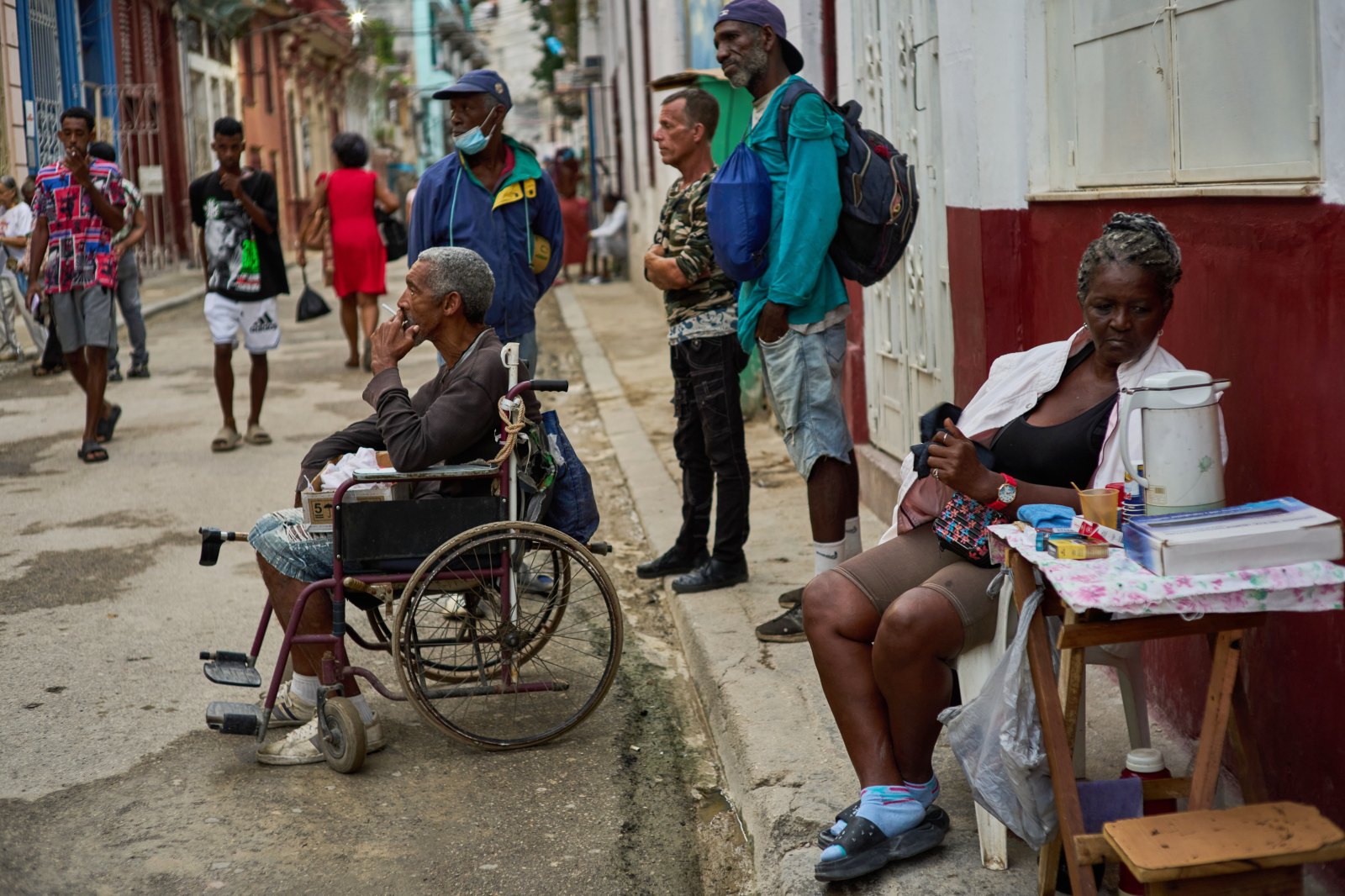
Time travel isn’t real, but visiting Cuba feels like stepping back in history. The U.S. has upheld a 64-year economic embargo on the island, aiming to pressure its communist leaders. This tactic hasn’t swayed Cuba’s government, but it has made life harder for its citizens.
U.S. Actions and Consequences
In January, a bold U.S. military operation removed Venezuela’s President Nicolás Maduro, altering relations between Washington and Caracas. This raised speculation that Cuba might be next in the U.S.’s plan. However, focus shifted when American forces engaged elsewhere.
Despite this, the U.S. continued to tighten restrictions on Cuba, impacting its economy severely. Venezuela’s oil supply was cut and sanctions on Cuban officials and businesses intensified. These measures have resulted in significant hardships, such as frequent power outages on the island.
Political Climate and Strategies
Christopher Hernandez-Roy from CSIS noted that complications arise with the U.S. military’s redirection and the political risks of action in Cuba. President Trump predicts a straightforward victory over Cuba, but reality suggests otherwise. Cuba’s government remains steadfast and engaged in diplomatic battles at international platforms like the United Nations.
Senator Marco Rubio, deeply invested in U.S.-Cuba relations, sees a longer-term strategy. He aims for Cuba’s transformation by 2028, contrasting with Trump’s more immediate ambitions. Rubio’s approach combines economic isolation with strategic delays, focusing on cracking the regime from within.
Historical and Political Context
Washington’s tactics face significant hurdles. Cuba’s political landscape is different from Venezuela’s. Cuba is a well-entrenched one-party state, unlike Venezuela which allowed for opposition organization.
This deeply rooted structure makes it difficult for external forces to effect change. Leader removal won’t guarantee cooperation with U.S. interests and may result in even more hardline leadership.
The Impact on Cubans and the U.S.
The ongoing U.S.-Cuba standoff heavily burdens ordinary Cubans. Economic mismanagement combined with American restrictions creates severe shortages. The worsening humanitarian situation may shift blame onto the U.S. if pressures fail to spur change.
Any U.S. victory in Cuba might be labeled as economic reform or political change but remains uncertain. While some in the U.S. government press for an economic opening, others, including Rubio, seek fundamental political change.
The international community remains divided on U.S. actions. Despite some successes in reducing support for lifting the blockade, many still oppose it. The situation persists, with both Cuba’s government and its citizens caught in prolonged hardship amid geopolitical struggles.