
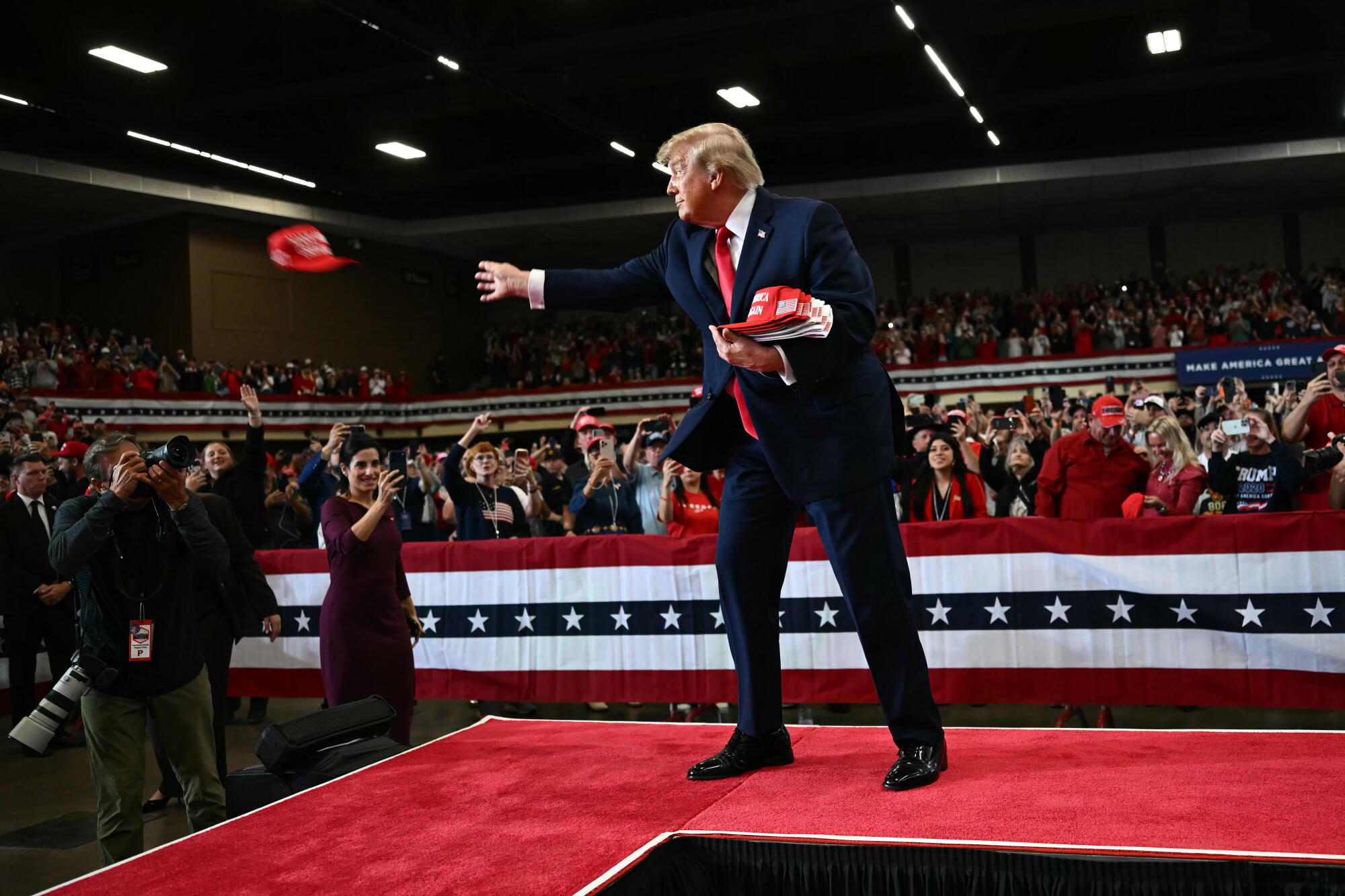
The prospect of a Democratic victory and diminishing Republican influence has stirred discussions about President Trump’s political future and the next steps for the GOP. As Tuesday’s elections approach, Trump confronts his lowest job approval numbers, causing long-standing supporters within the party to reconsider their positions.
Polling illustrates a notable decline in support from his 2024 voters, dropping to 67%, with significant decreases among younger voters and Latino groups, according to Pew Research Center. Although a majority of Republicans still back Trump’s policies, a third prefer a new direction for the GOP’s future leadership.
Marc Short, Trump’s former White House director for legislative affairs, highlighted the urgent issues like inflation and corruption facing Republicans. Bryan Lanza, an ex-Trump communications director, voiced concerns about fading enthusiasm, making contests in traditionally secure states like Mississippi and Texas uncertain.
Trump’s influence reshaped the Republican Party since 2015. Despite signs of division, top leaders still regard him as essential to the party’s future. Republican National Committee Chairman Joe Gruters emphasized Trump’s ongoing significance, stating the movement remains centered on him.
Trump’s circle remains committed to the idea that his influence will persist. An unnamed official expressed confidence that Trump will remain involved beyond the next two years. Yet, Trump avoids naming a successor, maintaining focus on current tasks rather than future leadership.
Polls suggest potential contenders like JD Vance and Marco Rubio among Republican primary voters. However, the GOP faces the challenge of engaging the MAGA base without alienating mainstream Republicans, as noted by a GOP lobbyist.
Mike Madrid, a Republican strategist opposed to Trump, believes the future of the party lies with right-wing media figures, rather than policy. He argues that the party lacks a unifying ideology under Trump’s influence.
Madrid doubts Trump will change direction despite possible electoral setbacks. Historical patterns suggest that presidents often pivot towards the center following significant midterm losses. Christopher Warshaw, a Georgetown public policy professor, noted that past presidents like Clinton adjusted strategies after electoral defeats.
While Trump has signaled willingness to cooperate with Democrats if necessary, experts like UCLA professor Lynn Vavreck believe that Trump’s coalition will remain even if his presidency ends. The motivations driving his supporters are deeply rooted and likely to endure beyond his tenure.