
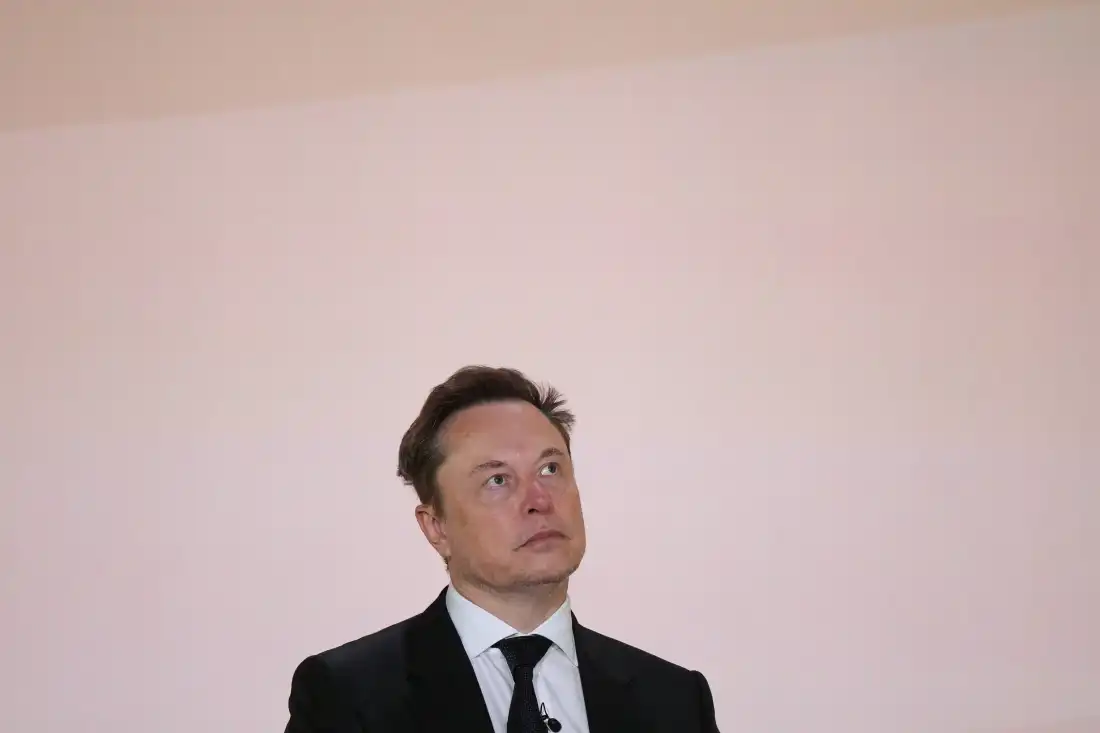
Imagine standing at the intersection of technological advancement and political power. Elon Musk finds himself in this unique position. As a key figure in modern industry, his influence permeates finance, politics, and technology.
The Financial Drummer
Reports from The Washington Post and CNN highlight Musk’s financial reach. Prior to midterm elections, Musk contributed over $400 million to Republican endeavors. This amount surpasses the combined donations of high-profile Democratic supporters like Michael Bloomberg and George Soros.
SpaceX and International Influence
The scope of Musk’s control goes beyond finance. SpaceX, one of his significant ventures, restricted Ukraine’s access to the Starlink satellite system recently. This decision impacted Ukraine’s military operations, as some drones lost connectivity.
“No private citizen should make wartime decisions,”
criticizes Kara Swisher, a seasoned tech journalist. Her concern revolves around the unprecedented power a single individual can wield. David Nasaw, a history professor emeritus, echoes these sentiments. He compares Musk to historic figures but stresses an absence of comparison.
A Trillionaire Status and Political Interplay
Musk achieved other groundbreaking milestones, such as crossing the trillionaire threshold. His influence correlates strongly with his investments. Over the years, his companies received more than $30 billion in federal support.
“An unholy alliance,”
Nasaw insists, highlighting how Musk financially nurtures political allies. Nasaw proposes legislative action—raising taxes on billionaires and campaign spending limits could serve as checks on such power.
Historical Perspectives: Morgan vs. Musk
Professor Richard White from Stanford weighs in on the debate, asserting Musk’s impactful power parallels that of historical figures. J.P. Morgan, a dominant banker in the 19th century, bailed out the U.S. Treasury. Morgan, like Musk, wielded considerable influence, but eventually faced government crackdown under President Teddy Roosevelt.
While Musk’s critics like Nasaw raise alarms about his reach, others like Marian Tupy of the Cato Institute argue differently. They emphasize the role of non-conformists in driving progress and economic growth. Tupy argues against restricting political funding for the wealthy, asserting their critical perspective on America’s economic landscape.
Current Events and Future Implications
Despite substantial campaign investments, Musk has faced electoral setbacks. Musk’s substantial expenditure in the Wisconsin Supreme Court race last year ended unsuccessfully. Yet his collaboration with government entities remains a vital part of his business model. SpaceX, for example, relies heavily on federal funding.
Richard White indicates that a government positioned against Musk could unravel his empire in minimal time. This scenario, he suggests, might unfold if Democrats gain congressional control. Public discourse continues on platforms like X, with Musk actively commenting on political events.
The Balancing Act: Democracy vs. Capitalism
H.W. Brands, a historian at the University of Texas at Austin, comments on the intricate dance between democracy and capitalism. Throughout history, these two forces have clashed. The principle of equality in democracy often contrasts with capitalism’s reward for inequality.
Looking ahead, Brands anticipates a push towards democratic reforms akin to those in the early 20th century. The potential for change hovers on the horizon as society reflects on the influence of modern moguls like Musk, Bezos, and others.