
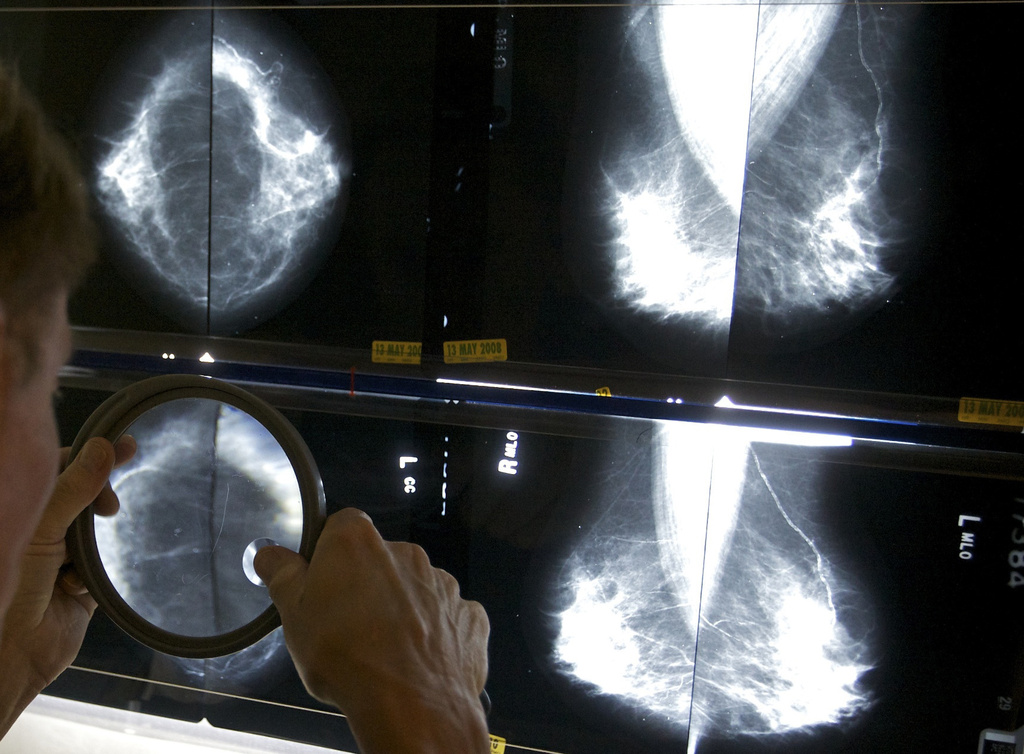
A radiologist checks mammograms for breast cancer in Los Angeles. My mother’s journey as a triple-negative breast cancer survivor taught me the importance of understanding personal breast cancer risk. After assessing my own risk, I discovered a high probability of developing the disease. This led me to undergo a double mastectomy to reduce future risk. Though the decision was significant, it allowed me to proactively manage my health. Every woman should have the chance to understand her risk and make informed decisions.
Breast Cancer Awareness Month highlights progress in reducing deaths while acknowledging ongoing challenges. With increased screening and detection services, women can often identify risks and address diagnoses early. Yet, more needs to be done to combat this widespread disease.
We must eliminate barriers that prevent women from understanding their breast cancer risk. This includes providing a universal risk assessment. Such tools evaluate the likelihood of developing breast cancer based on factors like family and reproductive history and lifestyle. Too many varied tools have caused confusion, and many are unaware of their value. A consistent assessment with better education can help women grasp their risk and take action.
My Know Your Risk Act aims to create a universal tool through the Department of Health and Human Services. The bill seeks to expand access to risk assessments via the National Breast and Cervical Cancer Early Detection Program. Currently, there are numerous risk assessment tools with varied accuracy. An evidence-based approach is needed. Existing tools are inconsistently used in clinical settings and available in various formats, assessing different populations differently. A universal tool would provide consistent information and encourage high-risk women to discuss prevention with doctors, potentially saving lives.
Early intervention was key to my understanding and decision-making. Ensuring every woman has the same opportunity means collaboration with health agencies. The National Institutes of Health’s Women’s Health Division and new AI tools can advance this cause. Women should consult doctors about mammograms and screenings to identify concerns early. One in eight women will develop breast cancer during their lives, and early intervention enhances treatment and survival odds. Access to reliable risk assessments marks a step toward better prevention and care.
I remain committed to realizing this future.
Rep. Julia Letlow represents Louisiana’s 5th District in the U.S. House of Representatives, serving as vice chair of the House Appropriations subcommittee on healthcare issues.