
In 2015, John Boehner, a Republican from Ohio, resigned as Speaker of the House with a memorable rendition of “Zip-a-Dee-Doo-Dah.” During his exit interview, he revealed the solitude he felt in office, describing the difficulties of negotiating with President Obama while lacking full support from his own party.
Paul Ryan and Kevin McCarthy, Boehner’s successors, faced their own challenges. Ryan’s leadership was threatened by the conservative wing of his party, and McCarthy struggled to satisfy his ideological members, leading to his removal after only 269 days. This was marked by an unprecedented vote from both parties.
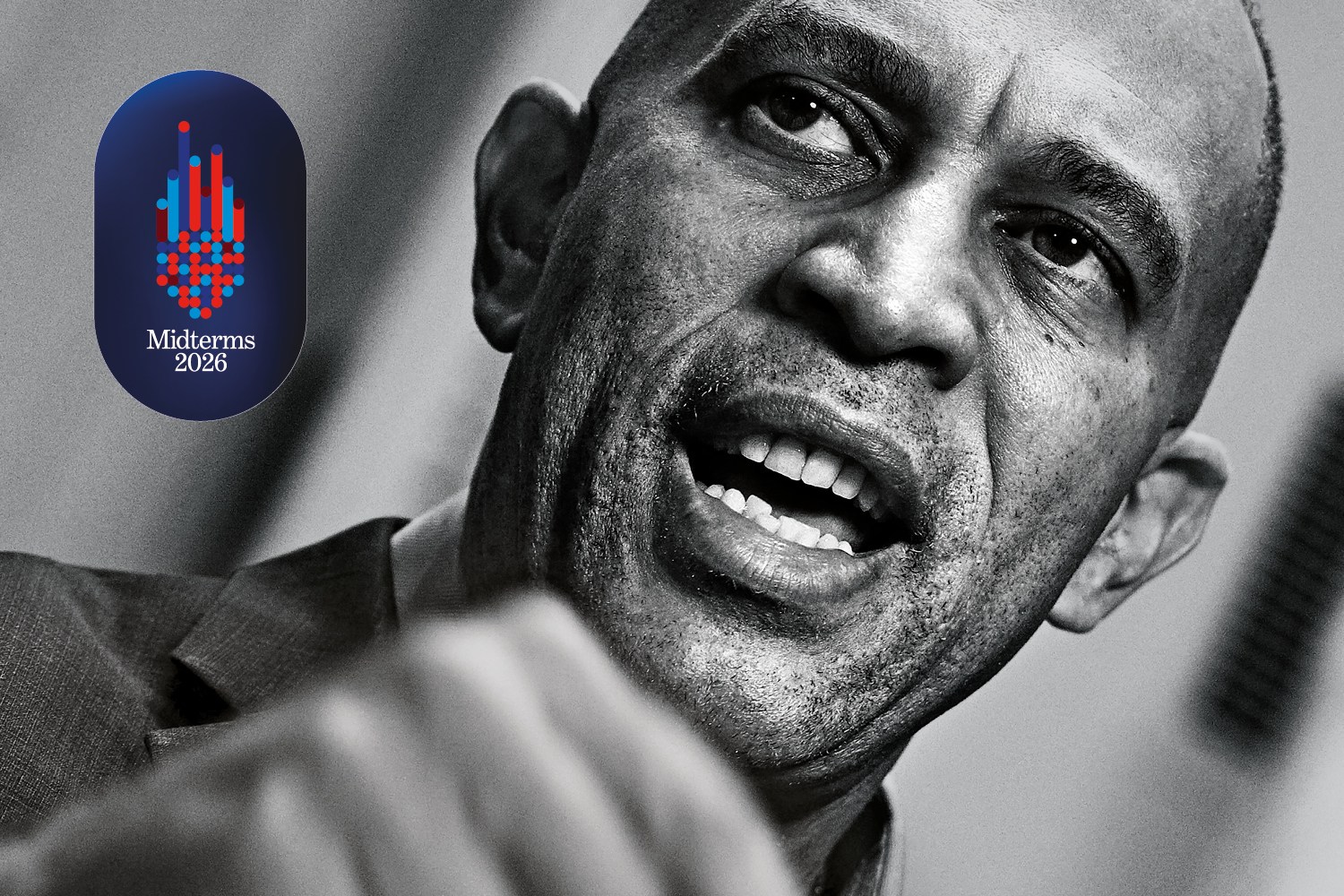
Across the aisle, Democratic leader Hakeem Jeffries of Brooklyn witnessed these events. During McCarthy’s arduous 15-ballot win for the gavel, Jeffries consistently maintained Democratic unity. As forecasters predict a Democratic majority in upcoming elections, Jeffries is positioned to make history as the first Black House Speaker.
Cornel West has commented on Jeffries’ potential rise, acknowledging its symbolism against white supremacy but cautioning against losing sight of moral and political integrity.
The Tea Party and House Freedom Caucus
Boehner’s tenure was shaped by a Republican wave in 2010 that empowered the Tea Party movement. This period birthed the House Freedom Caucus, which wielded significant influence over leadership elections.
Today’s Democratic majority mirrors this energy, driven by grassroots movements and voter impatience with leadership. Figures like Jim Clyburn, a mentor to Jeffries, emphasize unity over unanimity as essential for party growth.
Challenges for Jeffries
Jeffries, like his Republican counterparts, may have to manage internal party dynamics. While some allies view the insurgency as isolated to stronghold areas, Jeffries has the experience of navigating such dynamics in Brooklyn.
Following a bitter 2024 election loss, grassroots participation surged within the Democratic Party. Despite Democrats leading the generic congressional ballot, Jeffries’ favorability lags, showcasing a broader discontent with the party.
The Importance of Majority
The size of a Democratic majority under Jeffries is pivotal. Should Democrats achieve a large margin, the influence of any particular group diminishes. A thin majority would require near-unanimity for legislative success.
Currently, the DSA has a modest presence with members like Alexandria Ocasio-Cortez and Rashida Tlaib. More candidates backed by the DSA are contesting seats, potentially strengthening their position within Congress.
Jeffries’ Consensus-Building
As a minority leader, Jeffries showed his ability to unify Democrats and counter Republican initiatives. His strategies may help maintain unity amid rising demands for party reform.
Brooklyn’s dynamics, where Jeffries began his career, reveal his capability to bridge differing communities and sustain leadership despite shifting demographics.
Historical and Political Context
Jeffries grew up in Brooklyn, an area rich in African American history and leadership. His journey through education and early political challenges shaped him as a strategic leader capable of embracing new political realities.
His political ascent was facilitated by strategic choices, including breaking away from political machines and aligning with broader community interests.
Despite not campaigning on populist ideals, Jeffries has faced both opportunities and challenges from the progressive wing. His rise correlates with the Democratic surge following Trump’s election, which focused on winning key suburban constituencies.
DSA Influence
The rise of the DSA, particularly their electoral successes in local New York politics, marks a shifting landscape Jeffries must navigate. His relations with this group could shape future primaries and political alignments.
Conflicts within Brooklyn’s Democratic Party have demonstrated Jeffries’ balancing act between party fidelity and responding to new political forces.
Conclusion
Hakeem Jeffries’ leadership will be tested in balancing consensus with progressive demands. Whether his historic potential is realized depends on maintaining party cohesion and navigating internal dynamics.
His success or failure will determine the direction of the Democratic Party in the current political climate, as well as his standing with constituents and colleagues.