
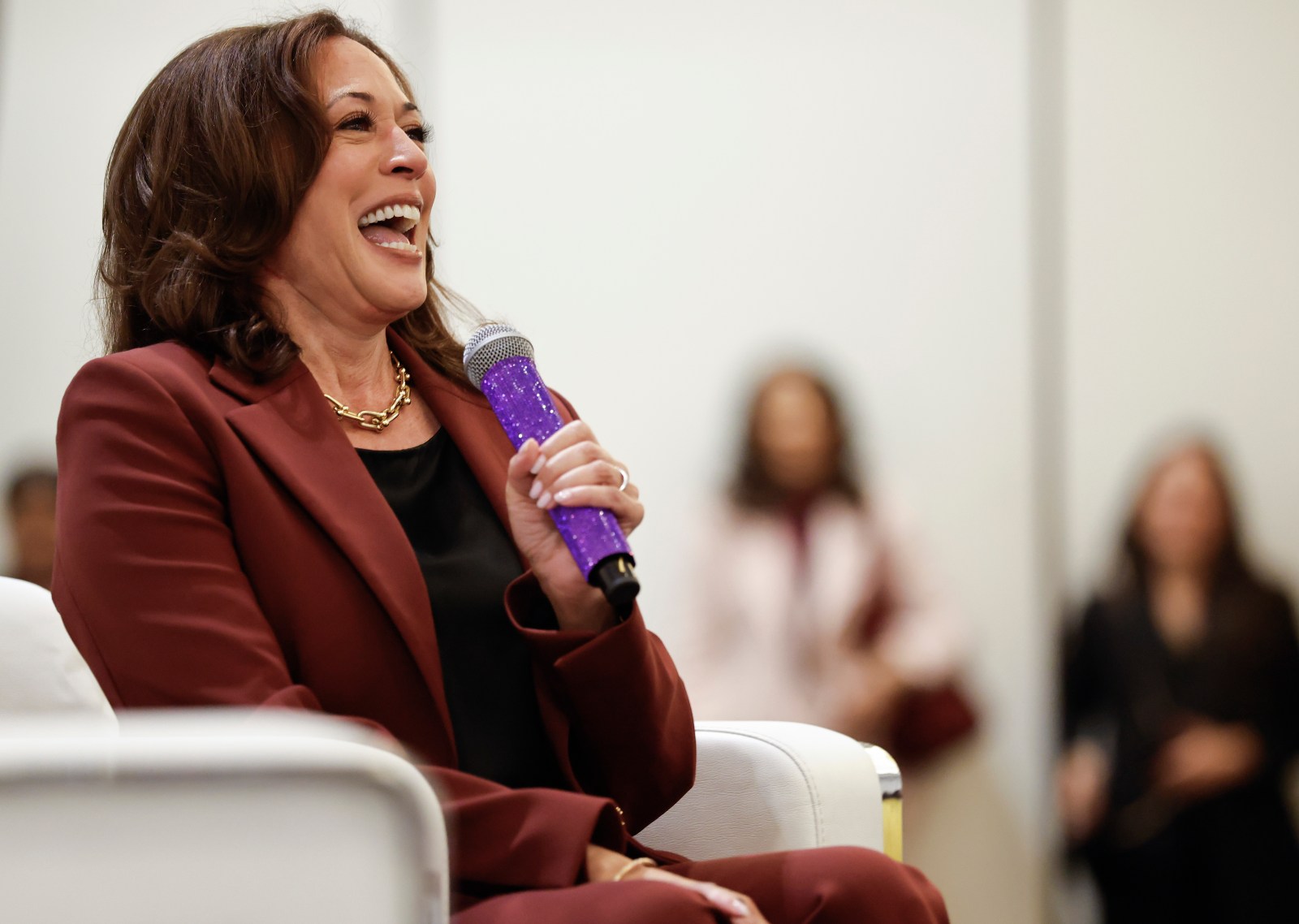
Emerging Contenders in the 2028 Presidential Race
As midterm elections approach, attention increasingly focuses on potential candidates for the 2028 presidential race. Key figures like Vice President JD Vance and former Vice President Kamala Harris are mentioned as likely frontrunners. With the midterms soon to conclude, the political landscape may shift as potential candidates begin organizing campaigns.
High-profile Names Discussing Future Campaigns
Both Harris and Vance face questions regarding their future political plans. Others such as Democratic Congresswoman Alexandria Ocasio-Cortez and California Governor Gavin Newsom are also speculated as potential candidates. Former President Donald Trump figures into discussions as well, notably when considering a MAGA successor.
Current Polling Insights
A YouGov/Economist poll indicates Harris with a slight favorability lead over Vance, although both have more unfavorable than favorable ratings. Harris holds a favorability of 43 percent, compared to Vance’s 41 percent, in a survey of 1,440 registered voters conducted from October 23-26, 2026. The margin of error is 3 percent.
Despite the early statistics, political experts like Craig Agranoff of Florida Atlantic University caution against drawing conclusions from such distant forecasts. He emphasizes that early polling primarily reflects name recognition and that voter opinions will likely evolve post-midterms.
Continued Polls and Future Outlook
The Harvard CAPS/Harris Poll conducted last month showed Harris at 43 percent favorability and 46 percent unfavorability, while Vance had a 41 percent favorability rating against a 44 percent unfavorable rating. Marquette Law School polling further illustrates Harris with a 37 percent favorability and Vance at 39 percent, noting significant portions of the populace remain uninformed about both.
Grant Davis Reeher of Syracuse University advises patience, suggesting the midterms will clarify the electoral scene. He also notes Harris’ current visibility is largely from voter familiarity, indicating future dynamics could alter perceived frontrunners.
Shifting Party and Candidate Dynamics
Recent polling on YouGov’s website further explores public sentiment, with Harris showing a 49 percent overall popularity compared to Vance’s 38 percent. The polls reflect evolving attitudes and name recognition, but not necessarily predictive accuracy of eventual outcomes.
The New York Times/Siena Research Institute polls assign Vance 33 percent favorability in expected Republican primaries, significantly ahead of Marco Rubio’s 23 percent. Harris leads Democrat polling at 12 percent, while competitors like Newsom and Buttigieg trail.
Responses from Harris and Vance Regarding 2028 Candidacy
Though Vance has yet to declare a candidacy, he acknowledges the need to decide post-midterms. He communicates a strong commitment to his current role but leaves future decisions open-ended.
Similarly, Harris expressed contemplation of a 2028 run, suggesting she weighs the prospect in terms of service to the American populace. Harris frames leadership as focusing on constituents rather than self-interest.