
During President Trump’s second term, nearly one million people were deported from the United States. Most deportees were sent back to their countries of origin, but approximately 25,000 individuals faced a different fate, being deported to ‘third countries,’ places that are neither the United States nor their home countries. Instances include Iranians sent to Panama and Cubans to the Central African Republic. Although legal, such deportations have not been executed at this scale by previous administrations.
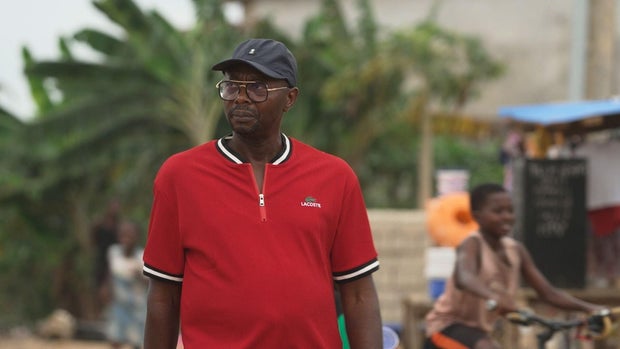
A five-month investigation revealed cases where deportees were sent to locations where U.S. immigration judges feared they might face persecution or torture. A notable case is that of Moussa Diawara, who was arrested by Immigration and Customs Enforcement (ICE) after completing his work as an Uber driver in Houston. Diawara, who had been living in the U.S. for 25 years without a criminal record, was detained for three weeks in Texas before being deported to West Africa and subsequently sent to Ghana, despite having no connections there.
Moussa Diawara: “For me it was like a nightmare. I still say to myself, ‘This isn’t real. This is me?'”
Diawara, who had overstayed a tourist visa, applied for refugee protection, arguing persecution if he returned to Mali. A U.S. immigration judge ruled he could be deported but not to Mali, granting him a work permit. However, under the Trump administration’s mass deportation operation, Diawara was deported to Ghana, where he says officials forced him to Mali against his will, citing his conversion to Christianity as a factor for his fear.
Diawara’s experience reflects a larger trend. Of the 63 people on his flight, many were transported back to countries they fled from, despite immigration judges advising against it. This highlights tension between the U.S. Department of Homeland Security’s stance and the deportees’ reported experiences.
James Percival, representing DHS, defends these deportations, stating that third-country removals have prevented crimes and kept Americans safer. He argues these measures apply to individuals with serious criminal histories when their home countries refuse to accept them.
The investigation discovered that 19% of those deported with Diawara had a criminal charge or conviction involving crimes such as theft, assault, and drug possession. The remainder had minor infractions or no criminal records. The administration claims adherence to the law, deporting serious criminals.
Despite a federal appeals court ruling the policy ‘unlawful’ due to lack of due process, the Supreme Court allowed the deportations to continue temporarily. Diawara’s attorney has petitioned a federal judge for his return to the U.S., where Diawara’s family awaits his return with hope.
As per Moussa Diawara’s family, his absence has impacted their daily lives. His wife, Barbara, works as a registered nurse while his children, Corey and Chloe, navigate life without their father’s presence.
Moussa Diawara: “For me, America was everything. I called America my home.”
Diawara and his family’s situation reflects the broader implications of the Trump administration’s deportation policy and its impact on individuals and families.