
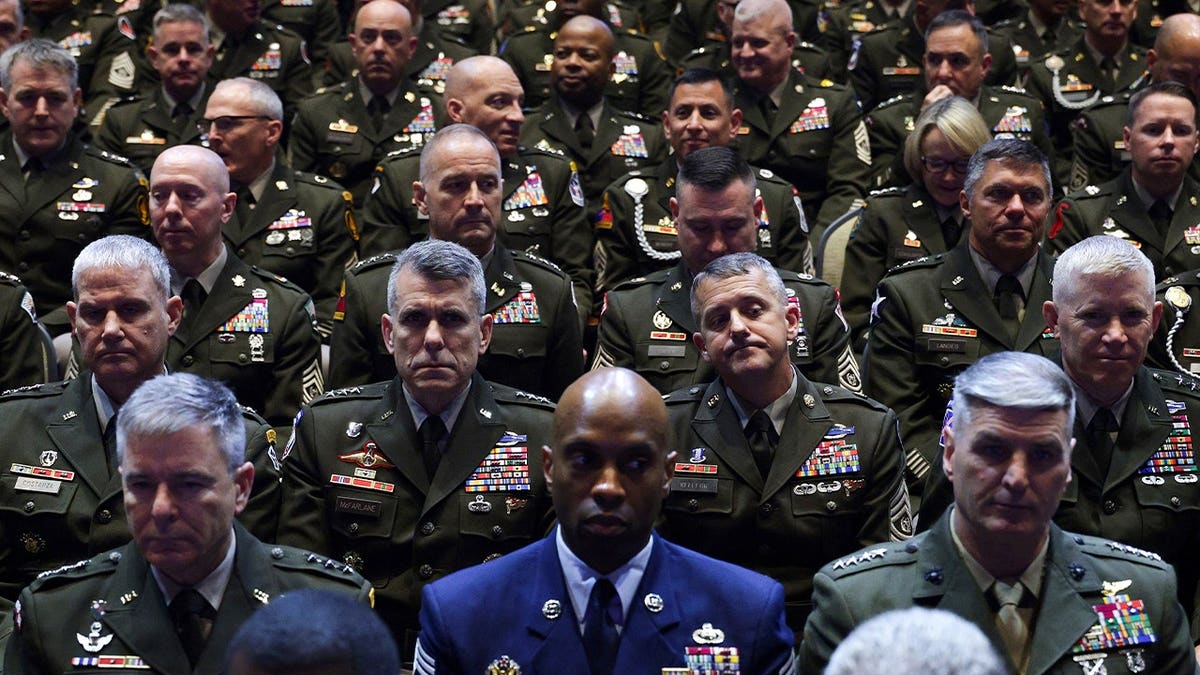
The Trump administration is addressing testosterone deficiency as a possible threat to military readiness. New screening guidelines for male service members are being introduced amidst increasing concerns about American men’s health and the reducing number of young people eligible for military service.
Admiral Brian Christine, a senior official at the Department of Health and Human Services, emphasized the impact of low testosterone levels on national defense readiness. He stated that 77% of Americans aged 17 to 24 need a waiver to qualify for military service. This is due to reasons like obesity and chronic diseases. Christine highlighted that more than 70% of young men are ineligible, and only 3% express an interest in serving.
The Trump administration is focusing on military readiness with a new initiative. Christine contributed to a plan where the Pentagon released testosterone screening guidelines for male service members aged 30 and older in September. These guidelines involve evaluating symptoms and risks, followed by tests and treatments when necessary.
Testosterone levels are linked to overall well-being, lifespan, health span, and wellness in men.
The administration’s renewed focus includes tightening fitness standards, removing certain policies, and enhancing recruitment and combat readiness. Christine, a urologist with over 35 years of experience in men’s health, noted a steady decline in testosterone levels over decades, raising concerns about the effects on the health of those in service.
Mandatory Screening for Testosterone Deficiency
Under the Pentagon’s guidelines, male service members aged 30 and older must undergo mandatory testosterone deficiency screening. This includes risk assessment and potential treatment options when appropriate. Christine clarified that those with symptoms and low testosterone levels will receive support and treatment options.
Christine also expressed concerns about environmental factors like microplastics and toxins possibly contributing to declining testosterone levels. He noted that the average testosterone level of men in the 1970s was over 650; now it approaches 350.
National Institutes of Health Views
Dr. Jay Bhattacharya, NIH Director, echoed these concerns. He warned about underdiagnosed testosterone deficiencies, emphasizing the need for understanding the decline in testosterone levels. Bhattacharya noted that declining sperm counts also required further research. Environmental factors could impact reproductive health, highlighting the need for comprehensive answers.
The NIH is investing in research to identify the trends’ causes and provide effective medical guidance for American men.
Impact Beyond Physical Health
Testosterone impacts more than just muscle development or appearance. Christine pointed out that men with low testosterone might experience more anxiety and depression. He stressed that hormone levels are crucial for men’s overall health.
A separate guidance for female service members is in development. This will follow the September guidelines for male troops, with input from women’s health specialists.
Christine stated that the aim is to ensure service members can perform their duties while addressing wider health issues facing American men.