
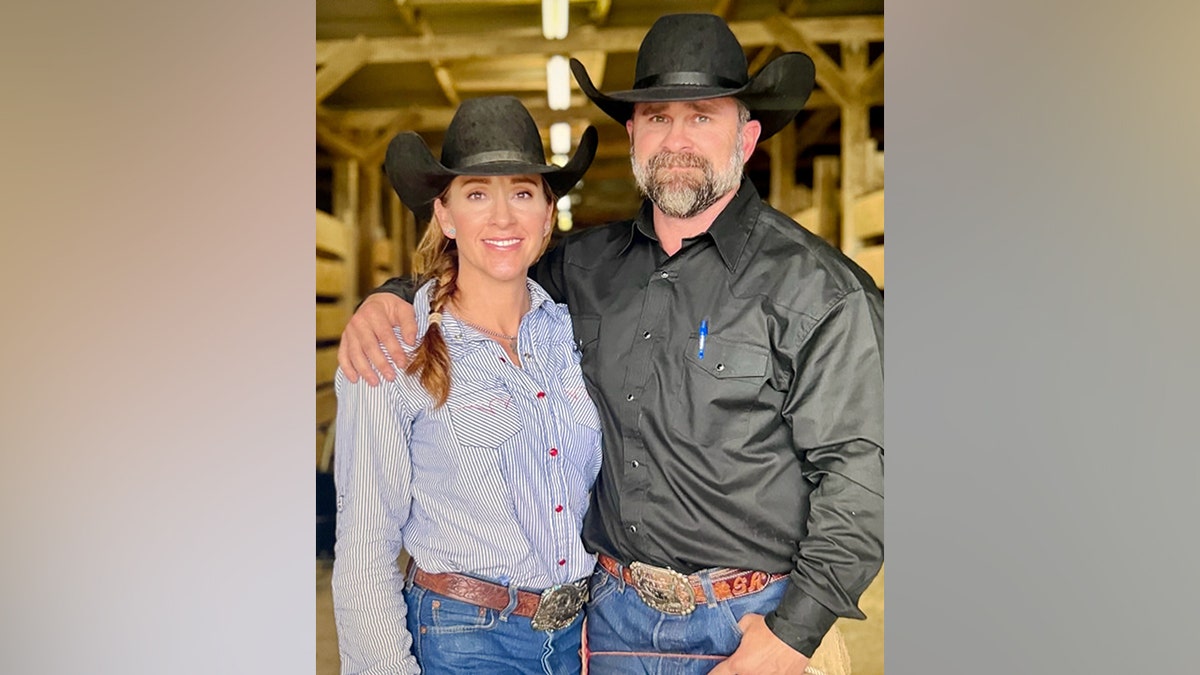
After nearly 34 years since the tragic loss of his 13-year-old sister during the 1991 Austin, Texas, yogurt shop massacre, Shawn Ayers, along with his wife Angie, is spearheading a national cold case initiative. This effort not only seeks answers regarding the attack that claimed the lives of four girls, including his sister Amy but also aims to uncover whether an accomplice remains unidentified.
Angie and Shawn have collaborated with former prosecutors Mindy Montford and Anne Marie Schubert to establish the National Cold Case Center. Their organization’s mission includes funding unsolved homicide investigations, training investigators, and offering support to victims’ families. Angie expressed their long-held desire to start a nonprofit, stemming from their personal experience and hearing similar struggles from other families.
The Austin Yogurt Shop Murders
On December 6, 1991, Amy Ayers, Jennifer Harbison, Eliza Thomas, and Sarah Harbison were murdered at the I Can’t Believe It’s Yogurt! shop. Jennifer and Eliza were closing the shop, while Sarah and Amy waited to go to a sleepover together. A fire reported at the shop disrupted the crime scene and affected evidence collection, according to FBI records.
When authorities arrived, they found Jennifer, Eliza, and Sarah bound and shot in the back of the head. Meanwhile, Amy was discovered in a different area, with injuries from two gunshots and burns covering a significant portion of her body. A .380-caliber casing was found, adding complexity to the investigation.
Killer Identified
After years of investigation, DNA and ballistics evidence pointed to serial killer Robert Eugene Brashers as the perpetrator in September 2025. Brashers had committed suicide in 1999 during a Missouri standoff, removing the possibility for families to face him in court. Although his identification brought some answers, questions lingered about another potential accomplice due to the involvement of two types of firearms in the crime.
Angie questioned Brashers’ sole involvement in the murders since historical evidence from his crimes did not suggest using multiple firearms. To date, no definitive conclusions confirm whether he acted alone.
Wrongful Convictions
Before Brashers’ identification, four local teens faced wrongful convictions for the murders. Robert Springsteen and Michael Scott recanted confessions coerced by investigators, which eventually led to overturned convictions. The charges against Maurice Pierce and Forrest Welborn were also dismissed due to insufficient evidence and lack of indictments.
In 2026, after links to Brashers were confirmed, the four men were declared innocent, resulting in a $35 million settlement for the wrongfully accused and their families. While Welborn acknowledged the closure brought by the declaration, he expressed bitterness over lost opportunities and ostracism endured during and after incarceration.
Helping Other Families
Motivated by personal loss and the challenges they’ve seen in other families’ pursuits for justice, the Ayers couple is determined to support others by establishing a nonprofit. Their organization aims to provide essential tools and training to law enforcement, collect accurate data on unsolved cases, and facilitate family support systems. Their collaboration with Montford and Schubert strengthens these efforts.
Currently, the nonprofit seeks funding to launch initial cases successfully while fostering collaboration among law enforcement agencies globally. Shawn and Angie hope their initiative can prevent future crimes by identifying killers who might otherwise remain unnoticed in communities.