
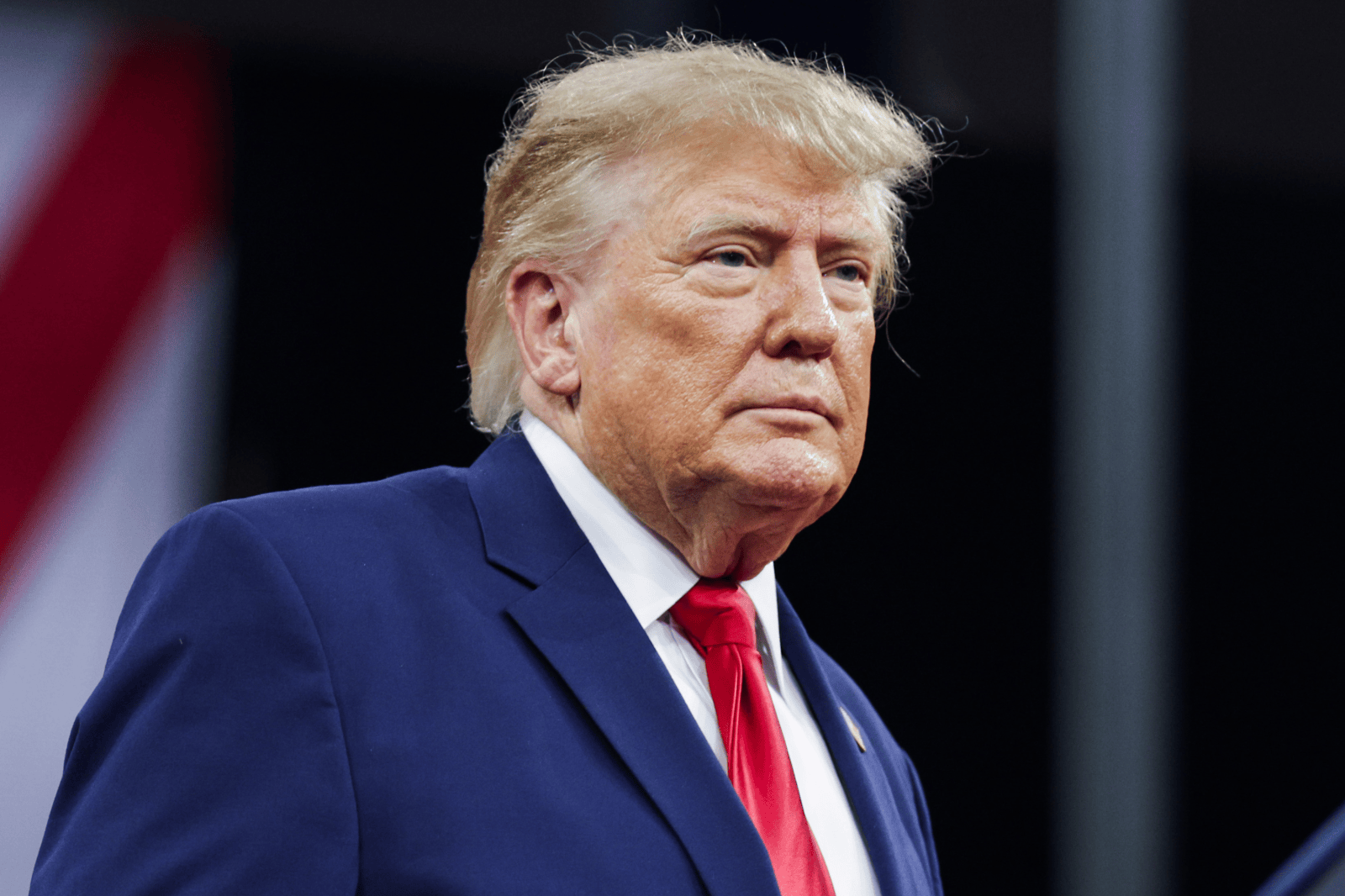
President Donald Trump remains unpopular among urban voters, yet his net approval rating has notably improved. According to Echelon Insights polling, it increased by 20 points between July and October. This shift could influence the November 3 midterms, as Democrats rely heavily on strong support in major cities for statewide races. Even small changes in support or turnout in cities like Atlanta and Detroit could affect the Georgia governor’s race and Michigan’s Senate contest.
Importance of Urban Voter Shifts
Midterm elections often lead to the president’s party losing seats. However, the changes in urban figures raise concerns about whether Democrats can maintain necessary margins in their strongholds.
What Polls Reveal
Trump’s urban approval ratings in Echelon Insights polling showed notable changes:
- July: 23% approval, 76% disapproval (net negative 53)
- August: 28% approval, 71% disapproval (net negative 43)
- September: 26% approval, 72% disapproval (net negative 46)
- October: 33% approval, 66% disapproval (net negative 33)
This net improvement includes a 10-point rise in approval and a 10-point decrease in disapproval. Trump’s strongest urban approval occurred in October. Political scientist Daniel Schatz highlighted the importance of sample size and weighting in these surveys. Echelon Insights questioned 1,010 likely voters nationally, showing Trump with a 39% approval rating against a 60% disapproval.
Possible Factors Influencing Urban Opinion
Costas Panagopoulos, a political science professor, noted substantial room for Trump’s recovery in cities due to his initial low position. Crime reductions might have contributed, although federal policy isn’t solely responsible.
John Thomas, a GOP strategist, mentioned that extensive advertising by MAGA Inc. focused on economic prosperity, public safety, border enforcement, and energy production has started to resonate with Hispanic and younger urban independents.
Brittany Martinez, a Republican strategist, suggested minority-voter movement might be contributing to Trump’s improved standing. However, Schatz urged caution, emphasizing that urban voters shouldn’t substitute for racial or ethnic polling. Changes among various demographic groups within the urban sample could explain the improvement.
Pew Research Center Findings
Pew Research found Democratic House candidates leading Republicans significantly among Hispanic and Black voters, suggesting that Trump’s urban approval gains may reflect a weakening Democratic dominance rather than urban support for Trump.
White House Perspective
White House spokesman Davis Ingle emphasized Trump’s success in coalition building and his administration’s achievements such as tax cuts and job growth, contrasting these with what he described as extreme Democratic policies.
Impact on Atlanta and Detroit
Republicans could benefit from reducing Democratic margins in these cities. Schatz and Martinez pointed out that narrowing these margins might be decisive in close statewide contests. Republican strategist Jason Cabel Roe noted targeted efforts in Black communities, citing examples like Mike Rogers, John James, and Tom Barrett.
Historically, Democrats have won over 85% of the vote in Detroit. Roe mentioned past election outcomes, highlighting how reduced city turnout and slight voter shifts can lead to unexpected Republican victories.
Georgia State Race Dynamics
In Georgia, former Atlanta Mayor Keisha Lance Bottoms is competing against Republican Rick Jackson. Polls indicate a tight race, underscoring why metropolitan margins could play a crucial role.
Evaluating Turnout and Political Shifts
Reduced Democratic participation might be as impactful as gains for Republicans. Lower urban turnout could threaten Democratic outcomes.
Ultimately, the narrowing urban deficit for Trump indicates change in one polling series. Durability of this shift remains uncertain, depending on future surveys and actual voter turnout.