
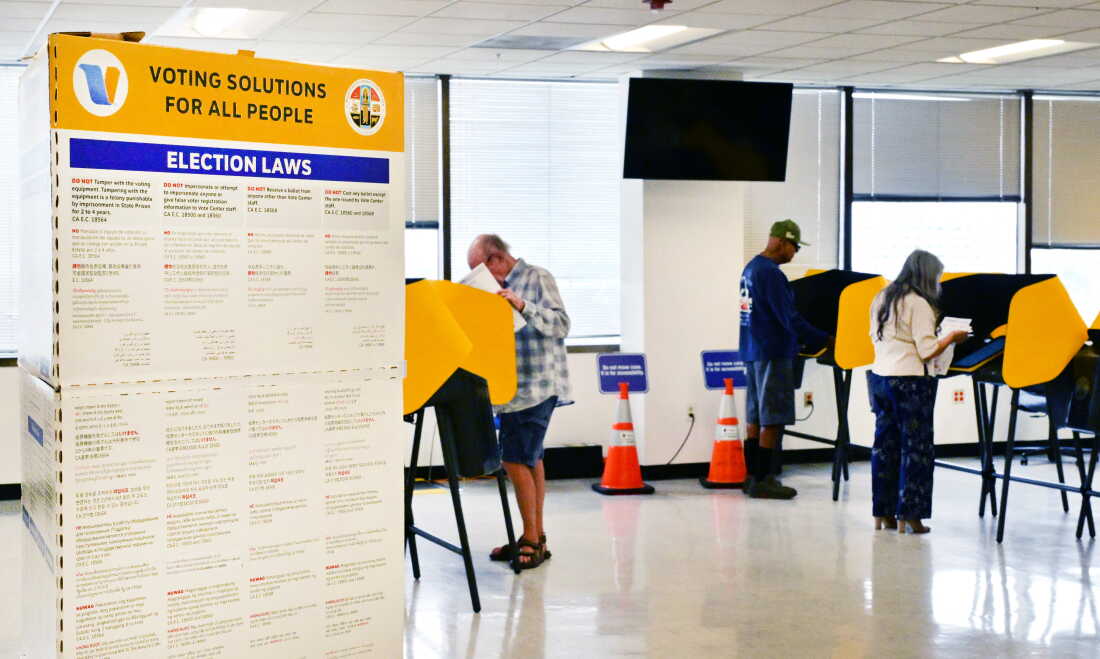
Early voting in California’s primary election on June 1, 2026, has faced significant legal issues. The Department of Justice (DOJ) has charged 28 green card holders with illegally registering to vote or voting in U.S. elections in California. This marks an intensifying dispute between federal authorities and the state’s electoral system.
The DOJ, announced the charges on Monday, aiming to halt California’s processing of ballots from individuals on voter rolls identified as ‘likely noncitizens’. The state has requested details on how these conclusions were drawn but has yet to receive such information.
This Department of Justice will not look the other way while noncitizens vote in federal elections,Acting Deputy Attorney General Trent McCotter stated.
Although noncitizen voting is not typically regarded as a widespread issue in American elections, the Trump administration has been focusing substantial resources on identifying ineligible voters. The DOJ has been bringing forth charges almost daily during early voting periods nationwide.
Federal Court Requests and Local State Reactions
The DOJ’s recent request seeks a court order to prevent California from counting ballots from the identified individuals. This situation began with President Trump’s speech on election integrity and has escalated through various interactions with state officials, including a refused demand to investigate a list of 20,000 names provided by the DOJ.
Rick Hasen, a UCLA election law expert, raised concerns regarding potential voter disenfranchisement and the undermining of voter confidence. Dana Lewis from Arizona stated the nationwide interest among local election officials, who are wary of potential federal interventions in their jurisdictions.
Charges Against Green Card Holders
All 28 individuals charged are green card holders, appearing on the DOJ’s list of 20,000 names. Although some registered to vote over two decades ago, others never voted. Many are accused of making false statements on naturalization applications regarding voter registration and citizenship claims.
Though some cases are thought to result from bureaucratic errors, Bill Essayli, First Assistant U.S. Attorney, argued these actions require intentional deception.
In recent weeks, 113 noncitizens have been charged with voting crimes across 20 states. With over 20 million registered voters in California, Hasen noted the small scale of these charges relative to voter numbers.
Concerns Over Voting Presence
Polling shows some Americans fear immigration enforcement at voting locations, a concern more prevalent among non-white voters. Los Angeles County’s Dean Logan emphasized the importance of voter participation amidst misinformation and litigation distractions.
Controversial DOJ Measure
The DOJ’s bid to bar California from processing disputed ballots is unprecedented. California officials argue that compliance would breach both federal and state law, emphasizing the importance of preserving voting rights.
The National Voter Registration Act prohibits states from removing voters during the 90 days before an election, designed to prevent erroneous purges. The DOJ’s methodology in identifying ‘likely noncitizens’ has been questioned, suggesting a political motivation.
Legal experts, including UCLA’s Hasen, predict the DOJ’s lawsuit will struggle, as states retain constitutional power to manage elections. The DOJ’s actions seem more aimed at future political challenges rather than legal victories.