
From the high floors of Millbank Tower in London, the UK Houses of Parliament are visible just a short distance away. Here, the Conservative Party once had its headquarters. Now, Reform UK, led by Nigel Farage, occupies the building. This reflects a wider political shift across Europe.
In France, Marine Le Pen’s National Rally has surged ahead of traditional right-wing parties. Germany’s Alternative for Germany (AfD) has made historic gains, challenging the center-right Christian Democrats. Trends similar to these are observed in Italy, Spain, Sweden, and elsewhere.
Across Europe, traditional conservative parties face a crucial choice. They must either adopt some hard-line positions of the populist right on immigration and identity or face losing voters to these new forces.
“The main issue is the political realignment towards identity and nationalism as the primary debate axis, rather than the economy,” remarked Steve Baker, a former British Conservative minister.
The European Commission predicts only 1.1% economic growth for the EU in 2026, down from 1.5% in 2025. Baker attributes this to growing disillusionment with political and economic systems. He notes that political and economic frustrations often lead to blame placed on ethnic and cultural minorities.
Britain’s Political Struggle
In Britain, the Conservative Party is struggling after losing power in 2024. Reform UK, under Farage, has tapped into public dissatisfaction, especially on immigration issues, with net migration reaching record highs.
A September poll showed 44% of Britons view immigration as a significant concern. The debate has expanded to include issues around British identity and ethnicity, with growing support for defining citizenship based on ethnicity.
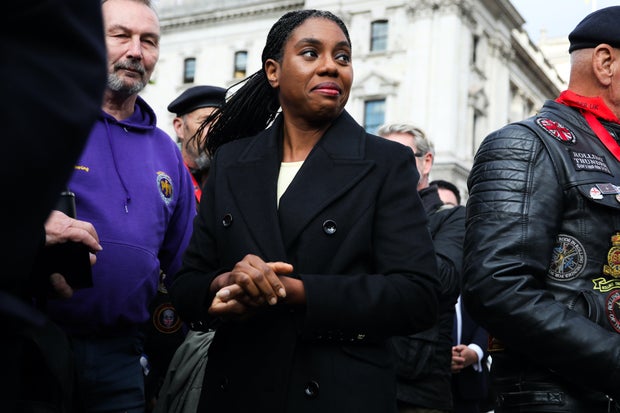
Kemi Badenoch, leader of the Conservative Party, has spoken against defining Englishness solely by ancestry. Research indicates that in some areas within Wycombe, the white population is now a minority, reflecting broader demographic changes.
Baker warns against the increasing focus on ethnicity in political debates. Despite Reform UK’s varying support in polls, there is pressure from even more right-leaning parties such as Restore Britain, backed by figures like Elon Musk.
Germany’s Political Dynamics
Germany’s political landscape is particularly sensitive given its Nazi history. Mainstream parties have traditionally refused coalitions with far-right groups like the AfD.
The AfD has popularized “remigration,” a concept used by some extremists to suggest the removal of immigrants. However, the AfD describes it as returning foreigners required to leave to their homelands.
In Saxony-Anhalt, the AfD garnered 43.8% of the vote, reflecting significant support. Their strongest base resides in eastern Germany, but their influence is expanding nationwide.
Public dissatisfaction with previous immigration policies has fueled the AfD’s rise, with eastern states showing strong support.
French Presidential Shifts
Marine Le Pen of France’s National Rally exemplifies changes in Europe’s right wing. Recent polls show her leading with 31% to 36% of first-round votes ahead of next year’s presidential election.
Le Pen has worked to change her party’s image, distancing it from its past and gaining significant ground electorally.
The National Rally has shifted France’s political dynamics, appealing to voters dissatisfied with traditional parties on immigration and security issues.
While President Emmanuel Macron has imposed stricter immigration measures, these policies haven’t reduced the National Rally’s appeal.
Across Europe, established parties face a dilemma. They can either align their policies more closely with populist parties on immigration and national identity or risk substantial voter loss. Recent surveys show significant support for far-right parties across Europe, indicating their growing influence.