
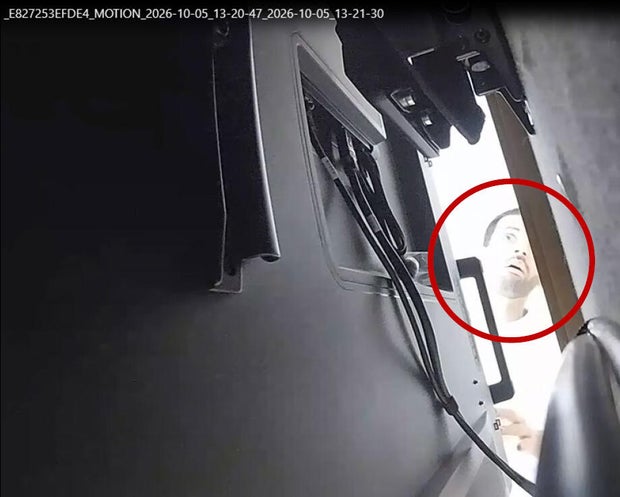
A former OpenAI engineer, Abdulrahman Alfozan, faces allegations of installing a sophisticated listening device in an executive conference room and maintaining close contact with a Saudi royal family member. Federal prosecutors detailed these accusations in a court memorandum on Sunday, revealing plans to leave the U.S. for Riyadh when arrested.
Alfozan is charged with utilizing artificial intelligence tools to develop encrypted recording devices and pinpoint meeting rooms frequented by OpenAI executives, government officials, and business partners. He received a $385,000 annual salary at OpenAI along with a $2.2 million equity grant upon joining in July 2025.
Prosecutors revealed in an 11-page filing that evidence suggests Alfozan intended to place additional devices in OpenAI offices. The suspect purportedly engaged in WhatsApp conversations with an unnamed Saudi royal urging his return to the kingdom to join a Saudi AI initiative.
The filing includes photographs of other potential surveillance sites, searches about meetings between OpenAI and Saudi representatives, and notes on retrieving devices before company departure.
Investigators claim that on September 28, Alfozan placed a “surreptitious audio recording device” into a USB port on a television in an executive conference room, where it remained for days. Prosecutors allege he modified the device to prevent data transfer between it and the television, encrypting content on the microSD card.
Days earlier, Alfozan reportedly used his wife’s AI chatbot account to research customizing recording devices, including building continuous audio recorders, capturing microphone audio, saving compressed WAV recordings, enhancing audio, developing speech-triggered recording, adding browser controls, and encrypting the SD card.
According to prosecutors, discussions in the conference room often involve confidential information concerning OpenAI’s technical, commercial, and strategic aspects, posing potential national security risks. Device installation coincided with meetings involving OpenAI leadership and government officials.
Prosecutors found photographs of other hidden recorders and electronic equipment in additional OpenAI meeting spaces on Alfozan’s phone. Throughout 2025 and 2026, Alfozan communicated frequently via WhatsApp with a Saudi Royal Family member, who mentioned an AI initiative being launched in Saudi Arabia and urged him to join.
The royal emphasized Saudi Arabia’s needs over the U.S., part of a recruitment campaign. Though Alfozan agreed, he stated he wouldn’t leave until his stock vested.
Authorities apprehended Alfozan on October 9, three days before his planned departure from San Francisco with his family on a one-way flight to Riyadh. His wife and three-month-old son departed the next day on business-class tickets purchased by a Saudi military official.
Alfozan, who has no prior criminal record and became a U.S. permanent resident in September 2020, saw his OpenAI employment terminated post-arrest. At a detention hearing, U.S. Magistrate Judge Alex Tse denied a request to release him to home confinement. The government argued for his detention due to wealth, connections, and perceived assistance from Saudi officials, considering him a flight risk. Alfozan is scheduled to return to court next month.