
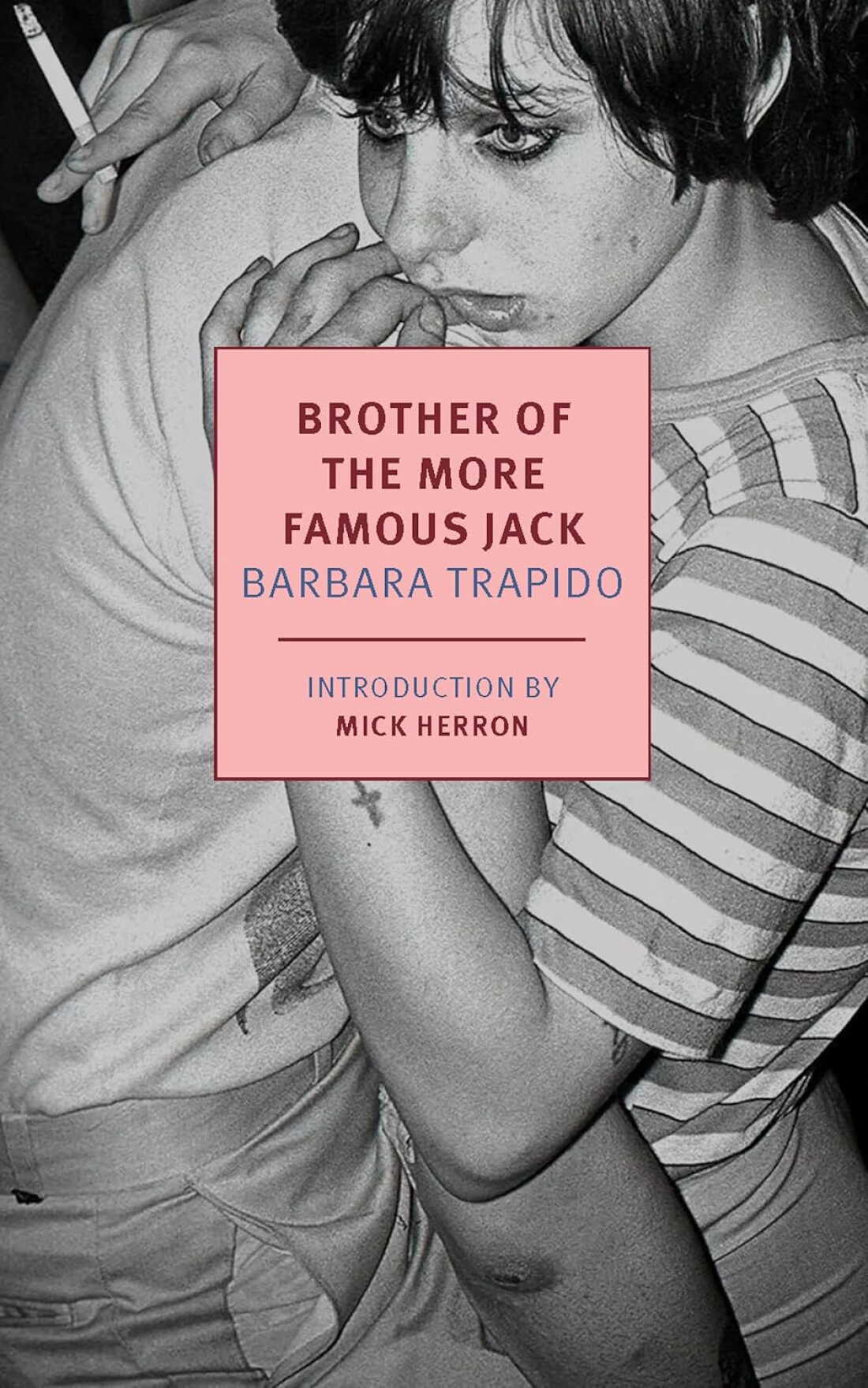
Barbara Trapido’s debut novel, Brother of the More Famous Jack, first published in 1982, remains a beloved coming-of-age story that captivates readers with each new generation. Trapido’s novel centers around Katherine Browne, an intelligent yet inexperienced young woman navigating her life in swinging late ’60s London. Drawn to adventure, Katherine seeks to break away from her bourgeois upbringing.
The new edition released by New York Review Books’ Classics imprint features a cover that may mislead readers with its 1980s melancholy vibe. However, the essence of Trapido’s narrative—the vibrant world Katherine explores—dives deep into the bold and radical atmosphere of the era.
Katherine finds herself enthralled by the chaotic Goldman family, led by the leftwing patriarch Jacob Goldman, a German Jewish refugee. Jacob’s wife, Jane, and their two irreverent sons equally add to the family dynamics. Katherine’s visits reveal provocative discussions, highlighting social and intellectual challenges.
Trapido’s own background offers insight into her writing. Born in Cape Town, South Africa, she moved to England in the 1960s. Though not autobiographical, Brother of the More Famous Jack channels Trapido’s personal adventures and intellectual pursuits. Her novels often incorporate themes of classical music, social class, and complex family relationships.
Trapido continued writing, with six novels following her debut. Works such as Temples of Delight, Juggling, and The Traveling Hornplayer explore the web of interconnected characters. Her most autobiographical work, Frankie and Stankie, addresses apartheid South Africa’s racism.
Brother of the More Famous Jack garners praise from noted authors. The Times Literary Supplement likens it to a bohemian Brideshead Revisited. Lily King refers to it as “literary comfort food,” while Rachel Cusk finds it “brilliantly lewd” and “hilariously satisfying.” Mick Herron highlights “the eroticism of the intellect” as a focal theme.
Maria Semple’s foreword in Riverhead’s 2014 edition captures the novel’s essence, calling it “a thrill of contradictions.” This timeless story remains endearing yet shocking, romantic yet raunchy. Readers treasure this gem in whatever edition they choose to explore.