
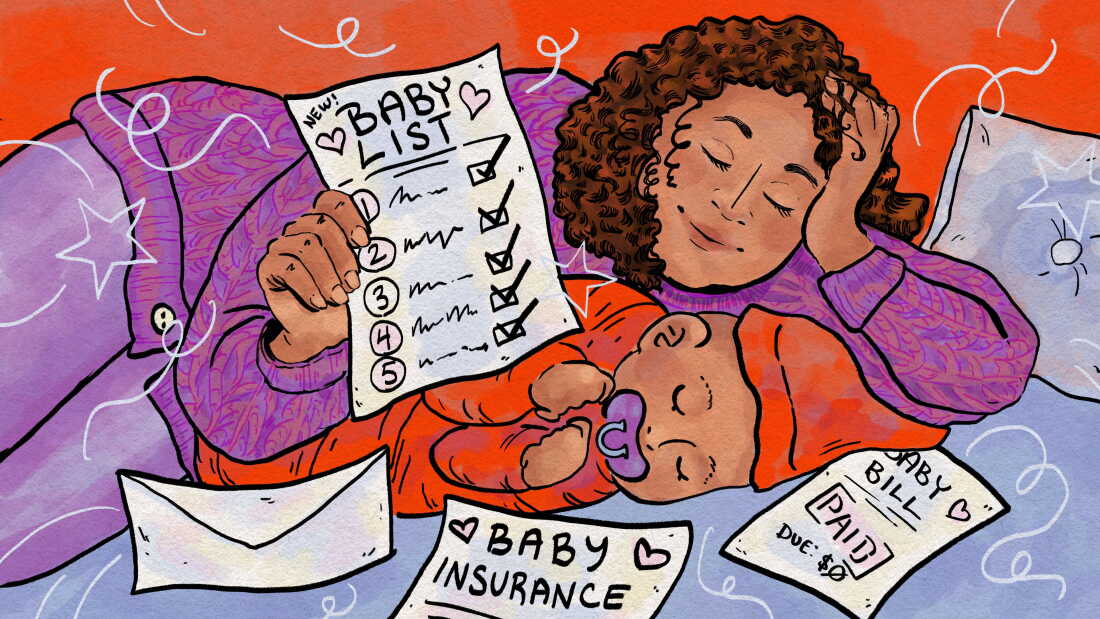
As Grace Griffin and her husband welcomed their daughter, she worried about medical bills. The uncertainty made her question whether they could afford another child. “This whole experience has me wondering: Can we ever afford to have another child?” Grace shared from Calumet, Michigan. Both at 26, Grace and Daniel Griffin knew finances would be tight with their first child. They calculated the cost of pregnancy even before trying to conceive. “We wanted to save enough to pay those medical bills right away, if possible,” Grace said.
The Griffins looked into their UnitedHealthcare student plan, but estimating costs proved difficult without medical billing codes. As Grace prepared for her baby, she realized their family would rely on one income. She budgeted, but the estimator was thousands of dollars off. Patricia Griffin’s summary of benefits estimated routine pregnancy out-of-pocket costs at $2,700. Grace thought it was manageable, but expenses piled up, far exceeding estimates. Early in her pregnancy, she met a $500 deductible and faced 20% co-insurance for in-network care. Routine blood tests totaled hundreds each visit. “When I started getting lab work, we saw expenses add up quickly,” Grace said.
In June, Grace’s pregnancy and delivery seemed routine. They welcomed their daughter, then received an explanation of benefits showing the hospital charged $18,000, leaving them responsible for much. Their out-of-pocket costs exceeded $9,000, thrice the insurer’s estimate.
They struggled to cover bills. Federal lawmakers have tried making healthcare costs transparent. Congress required insurers to provide patients an “advanced explanation of benefits” under the 2020 No Surprises Act. This was due January 1, 2022, but it hasn’t been implemented yet. “It’s basically 4.5 years overdue and frustrating for many,” said Sabrina Corlette of Georgetown University’s Center on Health Insurance Reforms.
By January 1, 2027, maternity billing codes will change, allowing more detailed prenatal, labor, delivery, and postpartum care coding. It’s unclear if this will aid budgeting. Corlette noted potential provider benefits, but patient benefits remain uncertain. Until maternity expenses become easier to estimate, here are tips for budgeting pregnancy costs:
1. Enroll Your Baby Early
Ensure newborn health coverage. Birth allows special enrollment, bypassing annual open-enrollment. Many employer health plans require enrollment within 30 days of birth. Marketplace plans usually allow 60 days. Miss the deadline and your baby might go uninsured until the next year. Michelle Critzer of Ventura, California, missed the deadline for her son. She continues appealing against insurer refusals to enroll him. “The 30-day requirement is insanity,” she said.
2. Know Key Numbers Like MOOP
Start budgeting by tallying expected expenses. The deductible is what you’ll pay before coverage starts. Copayments are fixed fees per service, and coinsurance is a percentage of costs. Coinsurance can be tricky to estimate. MOOP stands for “maximum out-of-pocket” and caps your annual costs for in-network services. Under the Affordable Care Act, 2026 caps are $10,600 for individuals, $21,200 for families. Spending beyond caps turns insurance into 100% coverage for the year. Be aware: Pregnancy spanning two plan years resets out-of-pocket expenses. Some plans separate in-network and out-of-network MOOPs. The Griffins had an $18,000 family MOOP, with Grace’s individual cap at $9,000.
3. Choose In-Network Care
Select an obstetrician within your plan but confirm if others involved in your care are in-network. Corlette recommends patients tell the doctor’s office to use in-network providers. Federal law protects against out-of-network surprise bills in in-network facilities.
4. Review Bills and Appeal
The Affordable Care Act mandates certain prenatal services have no additional costs. These include prenatal visits and lactation counseling. However, charges sometimes mistakenly pass on to patients. Corlette suggests knowing covered services to catch billing errors. If insurers refuse covered charges, consider filing an appeal.
5. Seek Help Before Bills Grow
Many hospitals offer financial assistance programs. Confirm willingness to reduce bills or offer manageable payments. Providers might help if you ask. Corlette advises agreeing on arrangements to prevent collections issues. Investigate additional programs. Grace Griffin was eligible for Michigan’s Rx Kids, aiding families with $1,500 during pregnancy and $500 monthly for the baby’s first months. It helped save their emergency savings. “It takes a lot of pressure off,” she said.
KFF Health News is a national newsroom producing in-depth health journalism and part of the independent health policy platform, KFF.