
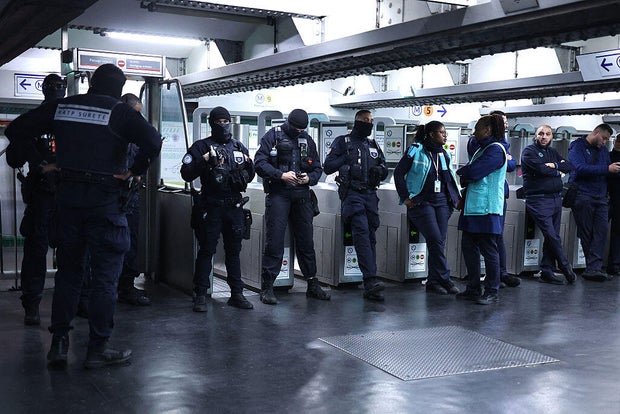
By October 20, 2026, French authorities are enhancing curfews and boosting police presence in public areas. This response aims to regain control after recent riots led to significant destruction, including torched buildings and looted businesses. The unrest has persisted for five weeks, driven by demands for improved education and relief from rising living costs. Meanwhile, the French government grapples with escalating debt and a divided parliament, complicating budget approvals.
Increased Security Measures
Prime Minister Sébastien Lecornu has committed to deploying a substantial number of police officers ahead of planned demonstrations on October 24. This comes after Interior Minister Laurent Nuñez admitted that authorities initially underestimated the extent of the unrest, leading to loss of control in several areas during Saturday’s protests. By Monday evening, over 2,500 individuals were in police custody following violent incidents, including the torching of a historic town hall in Limoges. Curfews now cover Paris’ Place de la République and Les Halles shopping district, as well as Lyon and other cities. However, both Paris and Lyon reported no significant incidents on Monday night.
In his Sunday address, President Emmanuel Macron differentiated between peaceful protesters seeking better schools and working conditions and those who exploited the protests for violence. He pledged to heed the protesters’ grievances while penalizing rioters, attributing the violence to “radical far-left groups” and “criminals.” Macron emphasized accountability for those aiming to undermine the republic.
Political Disarray and Economic Strain
The protests, originating in mid-September with high school students and teachers in Paris suburbs, expanded to include trade unions and Yellow Vest activists. These groups demand changes to overcrowded classrooms and deteriorating school infrastructure, alongside broader demands concerning high living costs and deteriorating public services. The government has responded with minor concessions. On October 8, the Ministry of National Education announced plans to allocate more than 3,000 substitute teachers to high-need high schools and authorized additional hires.
Nonetheless, mounting financial pressures and political stalemates hinder comprehensive reforms. France’s public debt reached nearly 3.6 trillion euros by the end of June, equivalent to 119% of annual economic output. The deficit is anticipated to hit 5.4% of economic output this year, with efforts underway to reduce it to 5% by 2027. Interest payments are expected to increase by 12 billion euros, reaching 91.2 billion euros next year, further limiting funds for public services.
Macron’s allies face challenges in parliament, where they lack a majority. This year’s budget was only adopted in February after bypassing a final vote, surviving two no-confidence motions. Macron’s approval rating stands at 15%, according to an Ipsos poll conducted October 7-8. Marine Le Pen of the far-right National Rally party leads the field with 33% to 35% support in various first-round matchups. Former Prime Minister Édouard Philippe and Jean-Luc Mélenchon of the far-left La France Insoumise party vie for second place.
In April, France will host presidential elections to determine Macron’s successor, as he is ineligible for a third term.