
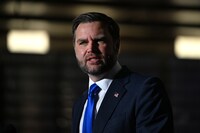
Vice President JD Vance’s Stance on Israeli Elections
During a campaign rally, Vice President JD Vance refrained from endorsing Israeli Prime Minister Benjamin Netanyahu for reelection. Despite President Donald Trump’s support for Netanyahu, Vance stated, “I’m not anti-endorsing him, I’m not pro-endorsing him. I’m not getting involved in Israeli elections.” Vance emphasized his focus on American midterm elections. Previously, he visited Hungary to support Prime Minister Viktor Orban, who wasn’t reelected after 16 years.
Defense Secretary Pete Hegseth conversed with Netanyahu regarding Trump’s endorsement. Vance sees Israel as an ally but has faced criticism from some Jewish commentators due to his remarks about Israeli officials and his connections to Tucker Carlson, who opposes the U.S.-Israel lobby. In August, Vance attended the Republican Jewish Coalition summit to engage with Jewish Republicans.
AI Transformation in Anthropic’s Workplace
Anthropic, the company behind the Claude chatbot, reveals how AI is reshaping job roles and interactions. Employees spend 20 percent more time in meetings to handle tasks requiring human interaction. Sales teams close more deals, and HR staff focus more on candidates. However, automated systems like chatbots can create additional tasks for employees.
Anthropic’s analysis highlights the evolving nature of work as roles get redefined by automation. New hires are selected for their quick decision-making skills amid fast-paced work. AI’s integration has reduced the presence of junior technical staff.
One feedback compared managing AI to babysitting children, where demands are perceived as emergencies. The report notes “Human attention is a constant bottleneck,” indicating the challenges of balancing AI and human tasks.
Alberta Voters Choose Unity with Canada
In a non-binding referendum, Alberta voters opted to remain part of Canada. Initial results show 76 percent in favor of unity, against 23 percent supporting separation. Canadian Prime Minister Mark Carney views the decision as a victory for national cohesion amid tensions with the U.S. and Trump’s suggestions about statehood.
Carney emphasized Canadian nationalism amidst external pressures. Alberta’s Premier Danielle Smith acknowledged the results, planning further discussions. Separatist group leader Keith Wilson stated that the debate on Alberta’s future persists. The referendum included other issues, such as immigration.
Sam Forstag’s Bid for Montana’s House Seat
Sam Forstag, formerly a smokejumper, is running to become Montana’s first Democratic representative in over thirty years. Facing Republican Aaron Flint, an open seat previously deemed likely Republican is now considered a toss-up by Cook Political Report.
Forstag discussed his policies on data centers, health care, and congressional priorities. The Washington Post’s coverage highlights various electoral races, examining candidates’ positions at a rapid pace.
Virginia Democrats Campaign During Midterms
Democrats from Virginia, including Elaine Luria, Tom Perriello, and Shannon Taylor, cited the Iranian war at a Henrico County rally, emphasizing its broader impact beyond oil prices. The war presents challenges for Republicans, especially in a state with strong military ties.
Luria challenges Rep. Jen Kiggans, while Taylor opposes Rep. Rob Wittman, and Perriello aims to regain his 2010 seat from Rep. John McGuire. Former Transportation Secretary Pete Buttigieg encouraged local voters to contribute to achieving a Democratic House majority.
Trump’s Controversial Naming Proposal
President Donald Trump proposed renaming New Mexico to “New America,” citing prestige improvement. Trump’s executive authority allows renaming geographic features but not state names, requiring congressional action. Trump’s idea included renaming the Gulf of Mexico and Lake Ontario.
The suggestion faced immediate backlash from New Mexican lawmakers and a local Republican congressional candidate. Greg Cunningham highlighted legislative impossibility, asserting no changes would occur.