
Introduction
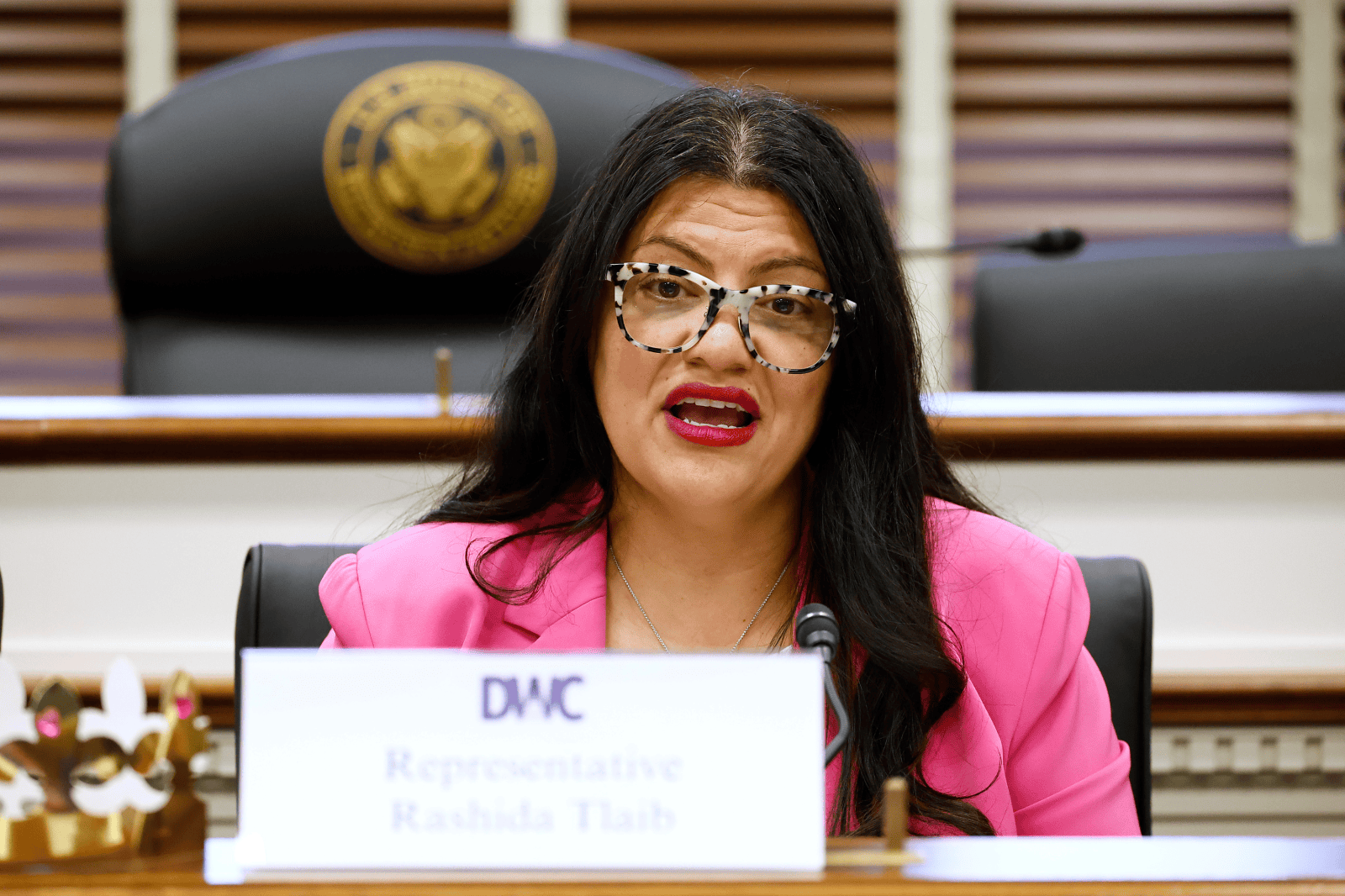
Representative Rashida Tlaib, a Michigan Democrat, has introduced the Get the Flock Out of Our Communities Act. This bill aims to prohibit federal funding for automated mass surveillance systems. These systems include automatic license plate readers, biometric surveillance, and facial recognition technology.
Details of the Proposal
The proposal not only prevents new purchases but also mandates that existing systems bought with federal funds be removed within 30 days of enactment. Certain prohibited surveillance data must be permanently deleted within seven days. This legislation was introduced amid increased scrutiny over privacy concerns, data sharing, and reported misuse surrounding automated license plate reader systems such as Flock Safety. Despite the privacy issues, supporters argue that these cameras serve as valuable tools in combatting crime.
The Congressional Debate
Automated license plate readers are now a nationwide law-enforcement tool. This has sparked debate on whether their investigative benefits outweigh privacy implications. Congressional attention on this issue has increased, with lawmakers from both parties proposing various approaches to manage and regulate the technology.
Legislation Specifics
Tlaib introduced the bill alongside Representatives Sylvia Garcia, Summer Lee, Ilhan Omar, Delia Ramirez, Nydia Velázquez, and Bonnie Watson Coleman. It has been referred to House committees on Oversight and Government Reform as well as the Judiciary. The bill broadly defines an “automated mass surveillance system” as technology that collects, processes, analyzes, retains, uses, or stores information on a large, indefinite number of individuals. Federal money would be prohibited from purchasing, installing, or operating the described technologies, which include automatic license plate readers, biometric surveillance, and facial recognition systems.
Concerns and Press Conference
In a press conference, Tlaib voiced her concerns over privacy and free speech suppression. She emphasized that the technology’s infrastructure remains permanent, regardless of political leadership changes. Tlaib stated, “I can control what law enforcement agencies can use federal funds for, and that’s what this bill focuses on.” The legislation calls for the removal of equipment already purchased or operated with federal funds within 30 days, and prohibited surveillance data must be deleted within seven days.
Financial Implications
State and local governments seeking certain Byrne and Community Oriented Policing Services (COPS) grants must certify that their law enforcement agencies do not maintain or operate automated mass-surveillance technology. Byrne grants are designed to enhance the criminal justice system, focusing on drugs and violent crime. COPS grants aim to increase police presence on streets and enhance community policing strategies.
Controversy Over Flock Cameras
Flock Safety’s cameras have become controversial due to data access and potential misuse. While the technology aids law enforcement in vehicle recovery and crime investigation, concerns have arisen over privacy breaches. Politico reported cancellations of Flock cameras in 2026 due to issues with misuse and officers monitoring individuals they personally know. In response, Flock has implemented safeguards and reduced its data retention period from 30 days to seven.
Congressional Action
Tlaib’s bill is part of broader bipartisan efforts addressing automated license plate readers. Republican Representative Thomas Massie introduced the Flock-Off Act, which also targets federal funding for such systems. Representative Greg Steube’s FLAFO Act addresses Fourth Amendment concerns with large-scale vehicle tracking. Representative Alexandria Ocasio-Cortez introduced the Ban Flock Act, limiting federal use and funding related to automatic license plate readers. These proposals reflect ongoing concerns, with varied approaches across party lines.
Next Steps
The Get the Flock Out of Our Communities Act is currently under consideration in House committees. It would require Congress to advance it further and Presidential approval for the restrictions to be implemented.