
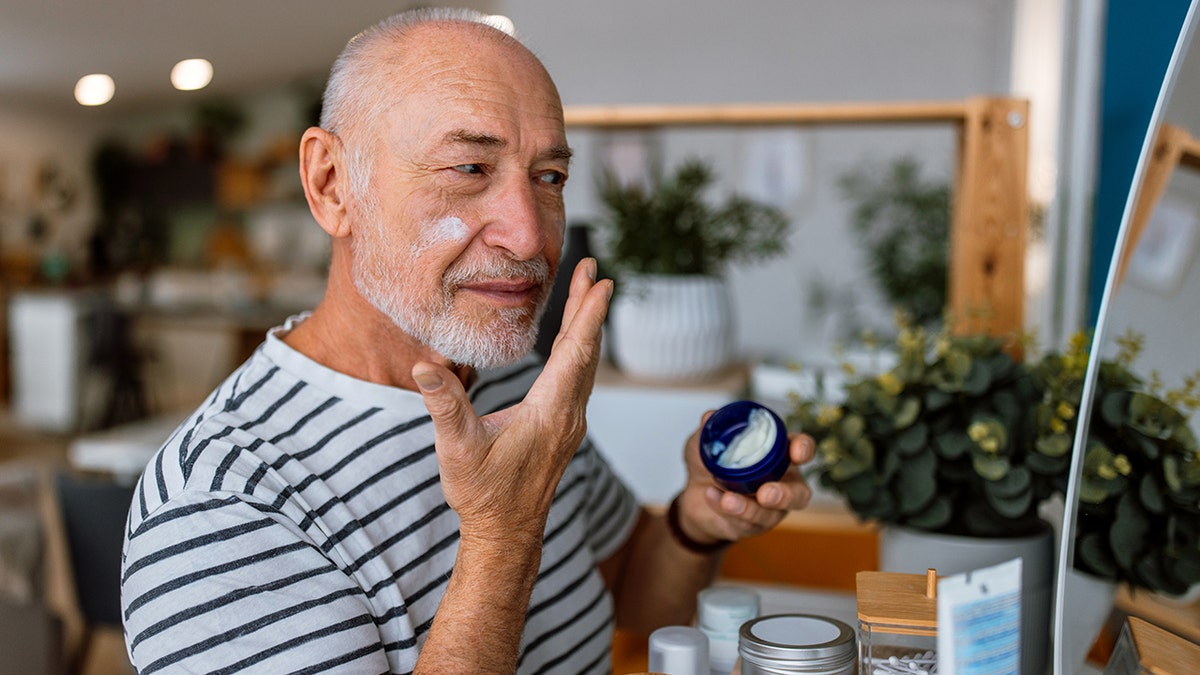
An experimental skin cream has shown potential in altering aging and inflammation markers, according to preliminary data from Rubedo Life Sciences. The biotechnology firm based in Mountain View, California, tested its treatment, RLS-1496, on patients with eczema and other skin conditions.
Research on 11 paired skin samples from patients with atopic dermatitis revealed a decrease of 2.1 years in epigenetic skin age after four weeks. This decrease reflects age-related DNA changes.
“Significant early findings warrant further investigation,” stated Rubedo CEO Dr. Frederick Beddingfield.
He emphasized the importance of these results, suggesting that they may lead to clinical improvements with prolonged use.
The latest findings were presented at a scientific conference but have not undergone a full peer review yet.
Targeting Aging Cells
RLS-1496 aims to target senescent cells, which are aged or damaged cells that cease dividing yet trigger inflammation. The drug focuses on a protein called GPX4, crucial for cellular stress responses. Researchers are examining if inhibiting this protein can eliminate damaged cells while aiding the survival of healthier ones.
“This approach focuses on cellular aging rather than merely treating visible effects,” Beddingfield explained.
Study tissue analysis reported a 10% increase in collagen vital for skin support and lower inflammation markers in the blood.
Challenges and Limitations
The study had several limitations, including a small sample size and the short duration of treatment. It is unclear if changes will persist, as treatment only lasted four weeks.
Rubedo sponsored the studies, and full peer-reviewed publication remains pending.
“Our next trial will involve several months of treatment,” Beddingfield mentioned.
In a separate study, 22 patients with actinic keratosis showed a 49% average lesion reduction after 28 days. This open-label study compared treated forearms to untreated ones.
Future FDA prescription approval requires three to four years, whereas a non-prescription formulation could reach the market sooner.
Minimal Risk Observed
The cream caused little skin irritation, with minimal drug detection in participants’ blood.
“The topical application carries low risk,” Beddingfield stated.
Rubedo is also initiating trials for androgenetic alopecia, or pattern hair loss.