
The Terrence J. O’Brien Water Reclamation Plant in Skokie is nearing a century of operation. The Metropolitan Water Reclamation District of Greater Chicago (MWRD) plans a significant upgrade to ensure cleaner water and comply with future regulations. This initiative will continue serving over a million people across 143 square miles daily.
Introducing Battery E
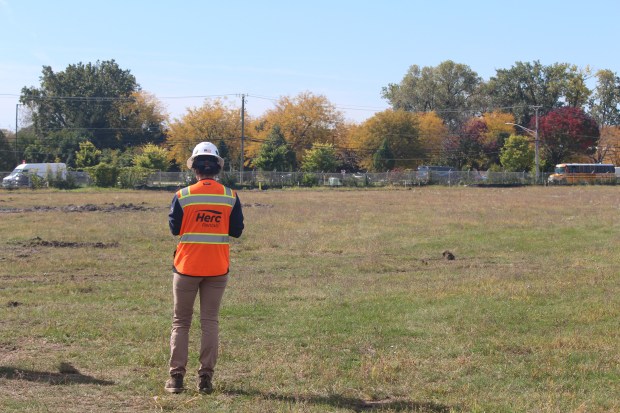
Labeled Battery E, this new system will be the fifth set of treatment tanks and infrastructure at the site. The groundbreaking occurred on Oct. 8, marking a significant $400 million investment, one of the largest in MWRD’s 137-year history.
“O’Brien Plant was opened in 1928 and a lot of the infrastructure you see around here has been around since 1928, so it’s aging,” said Aruch Poonsapaya, a managing engineer for the plant. “But also the key driver [in this new battery] is nutrient removal.”
Battery E will employ advanced technology to reduce phosphorus levels in treated waste and stormwater before releasing it into the Chicago River system. Phosphorus, while essential, can cause excessive algae growth if too abundant, harming aquatic ecosystems.
Kari K. Steele, President of the MWRD Board of Commissioners, emphasized to officials that this project highlights the interconnectedness of water systems. Water from about 90% of Cook County homes will pass through one of the district’s reclamation plants before being cleaned and sent downstream.
Advanced Treatment Process
The plant screens, filters, and settles sewage through a complex mechanical process known as primary treatment, which removes 60-70% of contaminants. Battery E will enhance secondary treatment, ensuring the water is 97-99% clean. While not potable, it will be safe for human contact.
Battery E will help the O’Brien plant comply with new phosphorus discharge limits set for 2027 and 2030. Steele outlined the challenges of unpredictable flows and emerging pollutants, emphasizing the need for adaptive infrastructure.
Community and Environmental Impact
Skokie Mayor Ann Tennes highlighted the importance of the project for local water quality and infrastructure. Skokie has partnered with MWRD on sustainability initiatives, including reducing water usage by nearly 200 million gallons annually by 2030.
“Wastewater infrastructure may not be glamorous or something that most of us think about every day, unless you live near it… but it’s absolutely essential,” Tennes said.
Battery E’s construction is set to take approximately four years, providing jobs for many tradespeople over its course. This project represents a critical step in securing the region’s water quality and infrastructure for the future.