
Christopher Rufo, a senior fellow at the Manhattan Institute, has highlighted the alleged spending in California’s welfare system. The system reportedly invests billions in housing and healthcare for illegal immigrants.
Some Americans are using cash welfare to purchase items such as beer, liquor, cigarettes, and pornography. This occurs due to a significant loophole in federal law.
States are beginning to address this issue with guidance from the Trump administration. Nebraska recently took steps to prevent cash welfare recipients from buying items like tobacco, tattoos, and luxury watches with welfare funds.
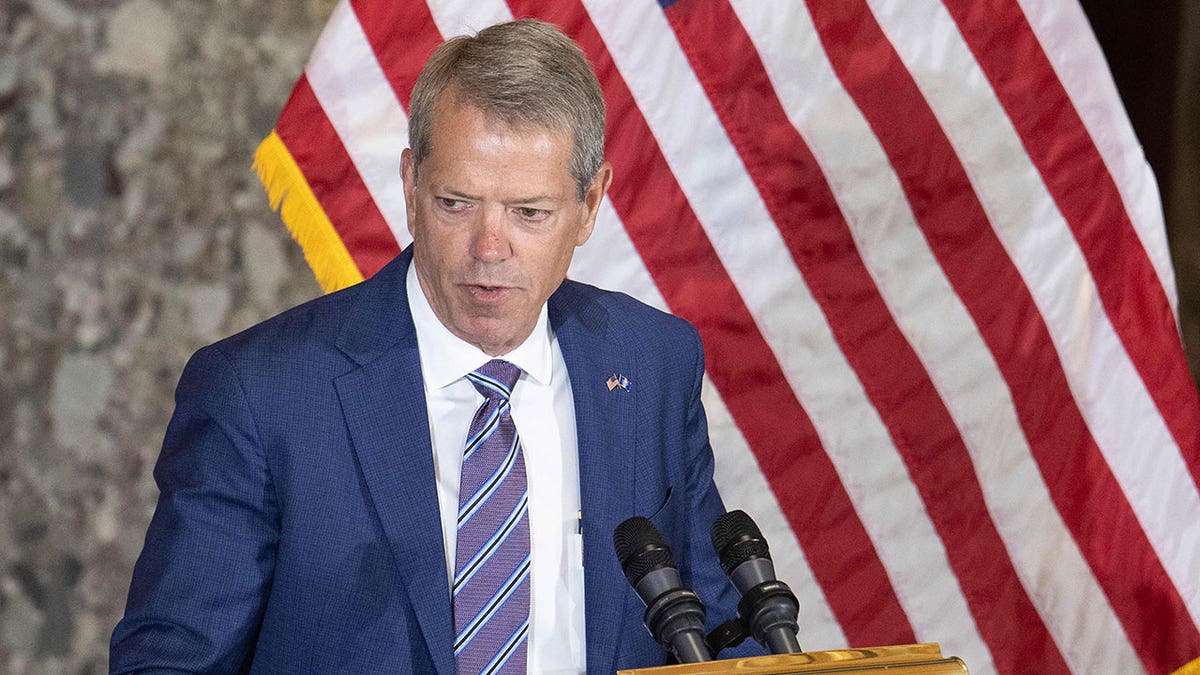
Nebraska’s Governor, Jim Pillen, announced on October 9 that recipients of the Temporary Assistance for Needy Families (TANF) program should use funds for necessary expenses rather than non-essential items.
Questions arise as to why such purchases were allowed. Many assume government assistance is for essentials. Cash welfare is specifically designed to help low-income families achieve economic stability.
Currently, federal rules restrict welfare spending at venues like liquor stores, but items can still be bought elsewhere. Alcohol can be bought in grocery stores, and pornography is accessible outside of restricted venues.
Since the TANF program began about 30 years ago, this loophole has persisted. Lawmakers seemingly overlooked that many non-essential goods are available in many retail locations.
Other questionable purchases funded by cash welfare include concert tickets, streaming services, and spa treatments. There seems to be a lack of significant restrictions on how welfare money is used.
States cannot alter federal welfare requirements independently. However, they can seek federal approval to implement stricter state-specific regulations. The Trump administration provided guidance on how states could close these loopholes.
Florida led the way in this reform. In August, Republican Governor Ron DeSantis blocked welfare spending on products like tobacco, drugs, and video games. The Florida initiative aims to ensure that assistance reaches those genuinely in need and reduces taxpayer fraud.
Other states could follow by amending their plans for cash welfare or working with lawmakers for lasting reform. Holding retailers accountable is another way to enforce restrictions.
Every state should work to close these welfare loopholes. Taxpayer money should not fund non-essential purchases like cocktails or pornography.