
In the 1990s, Marshall Billingslea, then a staffer for the Senate Foreign Relations Committee, investigated the Soviet Union’s biological weapons program. He learned from Ken Alibek, a high-ranking defector from the Soviet biological arsenal, about the scale of Moscow’s secret projects. Alibek’s insights have taken on renewed significance for Billingslea following a recent death linked to a Russian anti-plague institute.
Billingslea explained, “One of the most critical revelations from Ken was the enormous scale of the Soviet program, which Russia inherited.” He noted the mysterious demise of a researcher at the Irkutsk Research Anti-Plague Institute of Siberia and the Far East has once again highlighted potential threats. Billingslea urged the international community to demand transparency from Moscow.
The U.S. government asserts that Russia continues to operate an offensive biological weapons program, in violation of the Biological Weapons Convention (BWC). This treaty forbids the development and maintenance of biological weapons.
The U.S. State Department’s 2025 arms control report found that Russia absorbed the Soviet biological weapons initiative rather than dismantling it. Billingslea confirmed no solid link exists between the recent Irkutsk researcher’s death and Russia’s biological weapons activities. However, the incident has refocused scrutiny on the former Soviet program’s work and civilian laboratory network allegedly involved in classified research.
Alibek detailed Soviet attempts to enhance pathogen lethality, making them more drug-resistant and challenging to treat. Efforts included altering plague bacteria to withstand antibiotics. “They aimed to make the bacteria resistant to treatments,” Billingslea noted. Alibek also described experiments merging harmless bacteria with plague to complicate treatments further by incorporating toxins.
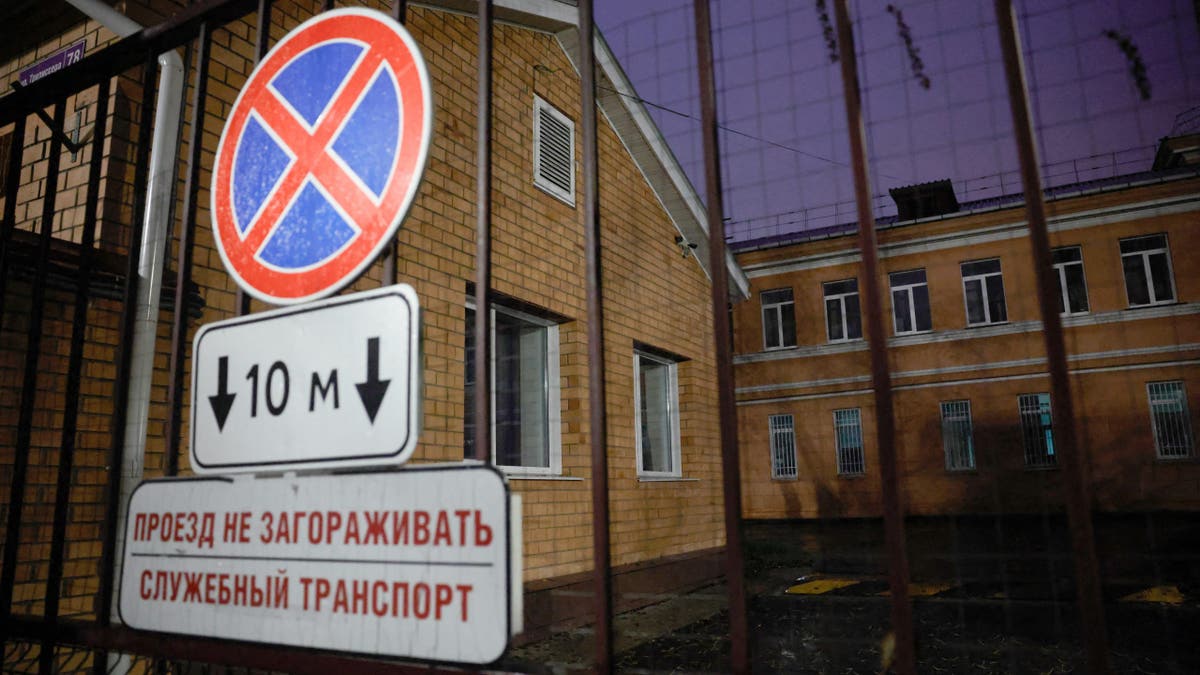
The recent death has prompted heightened safety measures in Irkutsk. The cause was pneumonia of unknown origin. Russian authorities claim no link between her illness and pathogens she handled. The World Health Organization is seeking more details from Moscow.
Billingslea clarified that U.S. knowledge of the Soviet program does not rely solely on Alibek’s disclosures, stating there are “multiple sources” confirming Soviet-era research details. By the 1990s, Washington had already challenged Moscow on its weapons work, aware of plague-related research and specific sites involved.
Alibek identified Soviet laboratories affiliated with the Ministry of Health that had dual civilian and classified functions. The Irkutsk institute was among these, but Billingslea could not confirm it developed specific antibiotic-resistant pathogens.
Following the unexplained Irkutsk death, Russian authorities found no link between the incident and the woman’s professional duties. The WHO is pursuing more information about the incident’s circumstances.
Billingslea emphasized that global pressure for clarity on these issues should not solely come from the U.S. “This is of significant concern to the entire international community,” he stated. He urged Russia to provide the pathogen’s genetic sequence and related information to allow outside experts to analyze potential modifications.
He also called on nations beyond traditional U.S. alliances, such as Brazil and Mexico, to demand more openness from Russia, particularly at the upcoming BWC conference. Billingslea anticipates that Russia will face intense scrutiny at the December meeting.
“At the December meeting, Russia is going to get grilled,” Billingslea concluded, stating the need for accountability.