
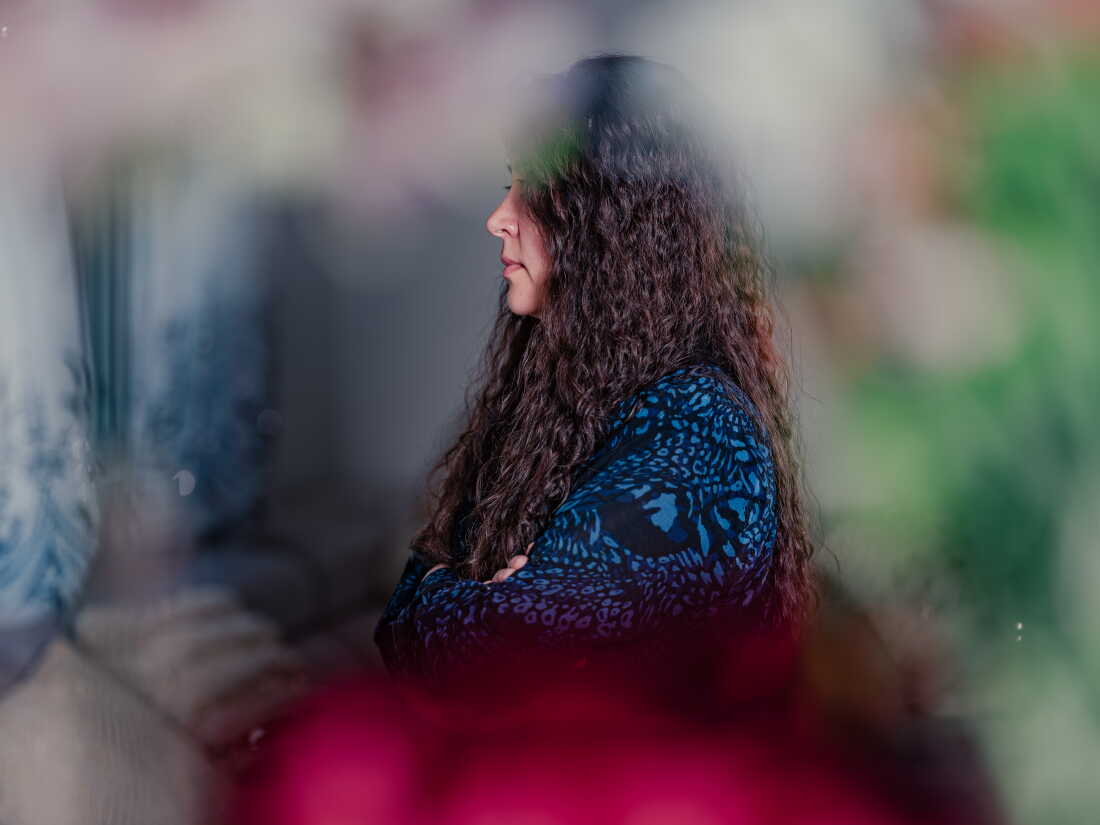
When Afghanistan fell back under Taliban control in 2021, S., a 33-year-old mother, was evacuated to the U.S. She settled in California with her youngest child. Her two older children remain in Kabul, living with their grandmother. To protect her remaining family, S. requested only her first initial be used.
In Fremont, California, a community known as “Little Kabul,” Afghan immigrants gather regularly at the Afghan Coalition, a non-profit assisting refugees in the U.S. They attend “know-your-rights” sessions run by Freshte Ahrar of the Council on American-Islamic Relations. Ahrar educates them on their rights, explaining search warrants, the right to remain silent, and legal issues regarding phone passcodes. She warns the group, “No one is safe,” pointing out vulnerabilities faced by all immigrants, regardless of legal status.
“No one is safe. Not U.S. citizens, not green card holders, no one.” – Freshte Ahrar
Tensions have escalated among Afghan refugees under the Trump administration. Immigration policies have been tightened, impacting refugees who settled in the U.S. Post-inauguration, Trump signed an executive order imposing stricter vetting processes. This included a travel ban affecting nations like Afghanistan and the end of Temporary Protected Status for many Afghans who fled after the Taliban resurgence.
Compounding these challenges, in 2025, Afghan evacuee Rahmanullah Lakanwal was named a suspect in a shooting near the White House. The administration’s swift reaction further complicated matters for Afghan nationals, pausing all immigration requests related to Afghanistan. The re-examination of previous immigrants intensified fears among Afghan communities across the U.S.
According to a U.S. Government Accountability Office report, detentions by U.S. Immigration and Customs Enforcement rose by over 70% since Trump’s return, causing anxiety about immigration enforcement. Many Afghan immigrants face visa revocations and suspended applications, complicating family reunifications.
Ahrar consistently meets with the Afghan community in Fremont, educating them on navigating encounters with law enforcement and immigration officials. These sessions provide ways to protect themselves and their families amid tightened immigration measures.
This environment is particularly daunting for Afghans who aided the U.S. during the conflict. Ahmad, once employed by the U.S. Embassy in Kabul, now lives in California but remains burdened by immigration uncertainties. He spent years contributing to U.S. efforts in Afghanistan, promoting women’s rights and free elections. Since fleeing with his family, Ahmad has started anew, joining a local community organization that aids immigrants.
Despite rebuilding his life, Ahmad’s immigration status induces anxiety. Delayed residency approval heightens his concern, fearing ICE attention. “We are safe, but not safe,” Ahmad admits, recognizing the continuous threat trailing him from Afghanistan to the U.S.
The Department of Homeland Security assures that law-abiding legal residents need not fear, yet acknowledges past vetting inefficiencies for Afghan nationals. This uncertainty complicates the experience of evacuees like S., who faces heartache over separation from her children left in Kabul.
At the height of evacuation chaos, airport crowd swells forced S. to leave her older children, bringing her newborn to the U.S. Her separation was unintentional; she dreams daily of reuniting with them. Her efforts, involving numerous lawmakers and legal avenues for reunification, have faced setbacks. A brief hope emerged with a lawsuit allowing family reunifications, only to be disrupted by renewed restrictive policies following the National Guard shooting incident.
The State Department refrains from commenting on individual cases, placing little solace in parents like S., who remains determined to find pathways for her family’s reunification. “I’m not going to give up,” she declares through tears, underscoring her resolve amidst overwhelming separation and uncertainty.
The U.S. intervention in Afghanistan initially provided opportunities for S., opening educational and career prospects. However, the ongoing separation and disappointment have eroded trust, highlighting the significant cost of freedom obtained two decades ago.