
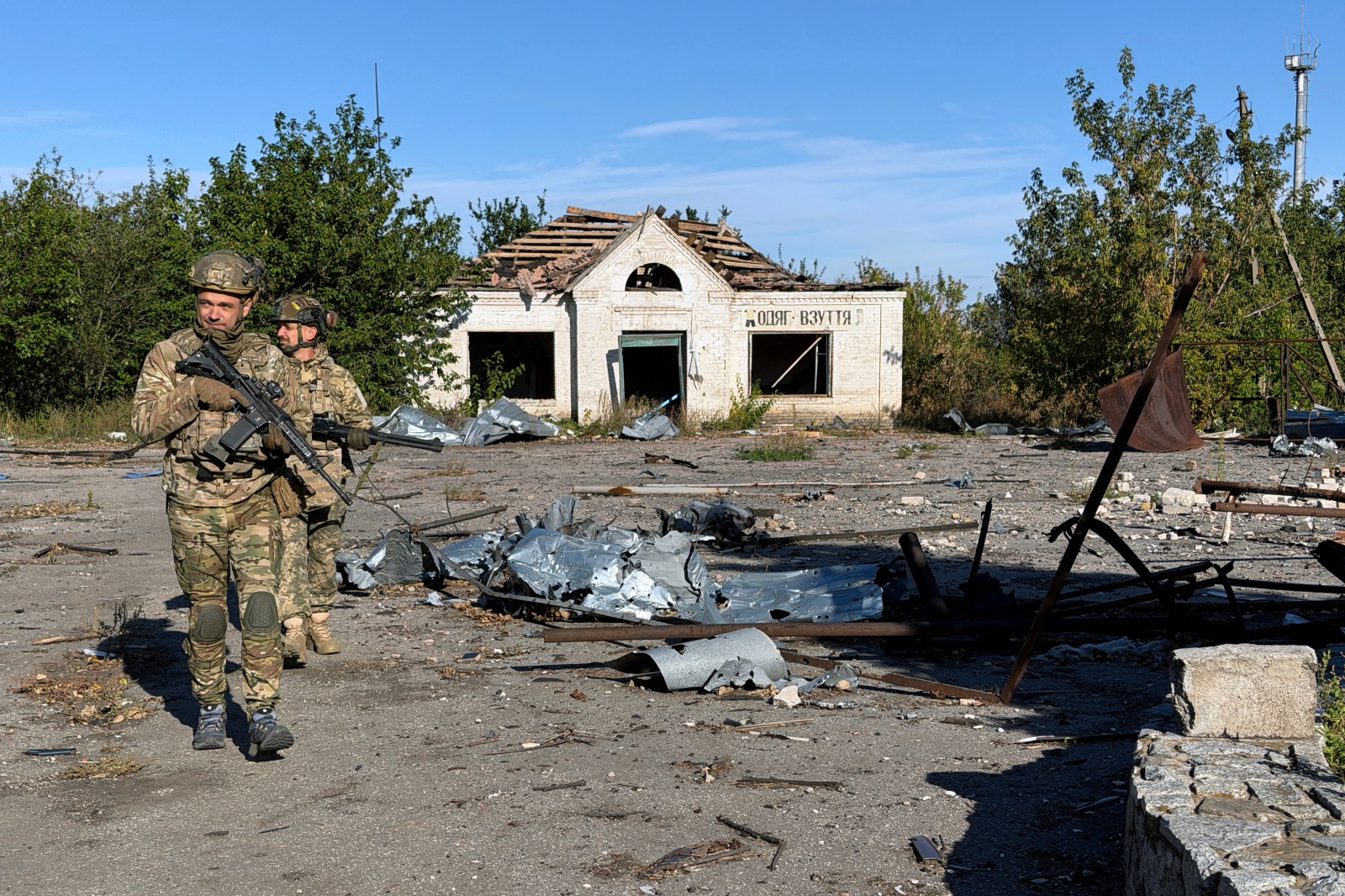
Territorial Gains in Kyiv’s Counteroffensive
Recent advances by Ukraine’s forces in the Donetsk region mark a significant development in the ongoing conflict. As temperatures drop, these gains occur amid expectations of intensified Russian strikes. Ukrainian efforts have shown progress through the use of bomber drones and remote-controlled robots in the initiative known as ‘Operation Vivaldi.’ This operation successfully blocked Russian efforts to encircle critical areas defending the Donbas region. Meanwhile, Vladimir Putin, responding to reports of 46,000 Russian troop losses without territorial progress, is predicted to ramp up attacks on Ukraine’s energy infrastructure.
Germany’s Chancellor Friedrich Merz visited Kyiv, emphasizing the importance of the upcoming weeks following Russia’s attacks, which included significant hits on the Dnipro River bridges. Giorgi Revishvili from ‘Russia Analyzed’ highlighted challenges facing Ukraine due to adverse weather affecting strike capabilities. Despite significant Russian casualties, Putin’s ambitions remain steady. Newsweek has sought comments from the Russian defense ministry.
Robotic Innovations in Ukraine’s Defense Strategy
President Volodymyr Zelensky announced preparations for the next phase of ‘Operation Vivaldi,’ aimed at disrupting Russian plans to control the Donbas in the Lyman area. Although the operation has been active for months, recent disclosures shared detailed accomplishments. Brigadier-General Andrii Biletskyi stated that 68 square miles of territory was reclaimed, partly due to substituting human soldiers with robotic systems. A unique attack involving ground robots penetrated Russian defenses, and a robotic amphibious platform provided logistical support across mixed terrain.
These efforts strengthened Ukraine’s positions north of Lyman, significantly impacting Russian movements. Revishvili noted the operation’s role in reducing threats of encirclement and emphasized the strategic importance of future developments.
Winter Challenges and Energy Infrastructure
In the past week, Russia increased drone and missile assaults, particularly targeting Kyiv’s energy infrastructure. Ukrainian Prime Minister Serhiy Koretskyi described this as the largest strike since April. The Telegram channel eRadar predicts such attacks will continue to threaten energy facilities.
Economy Minister Oleksandr Kravchenko warned of the harshest winter since the invasion’s start. Russian attacks on Kyiv’s bridges compromise essential transportation and supplies, with ramifications for civilian well-being. Yuriy Boyechko from Hope for Ukraine expressed concerns about disrupted logistics and potential humanitarian impacts.
As Russia intensifies aggression, Revishvili stated the possibility of societal breaking points due to infrastructure and residential area attacks.
Ukraine’s Battlefield Challenges and Russian Assertions
Despite Putin’s claims of territorial gains, reports suggest otherwise. The Institute for the Study of War indicated a net Russian loss of territory, countering Kremlin narratives. Revishvili explained ongoing challenges with Russian military equipment deployment and adverse weather impacting Ukrainian forces.
Ukraine may face visibility and reconnaissance limitations, risking increased Russian infiltration. The upcoming months will test both sides as conditions evolve, with results uncertain.