
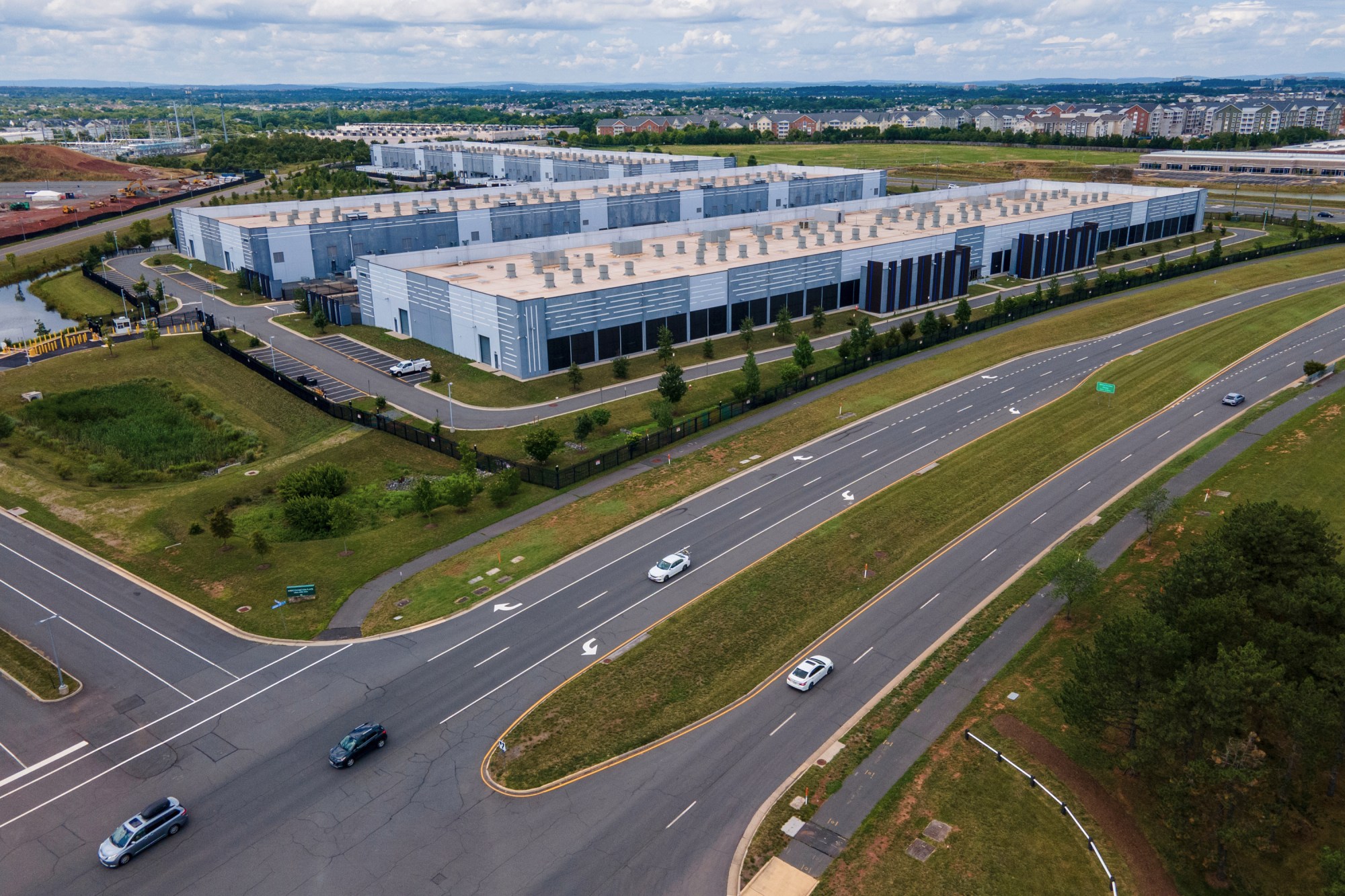
The advancement of artificial intelligence has far exceeded a simple software upgrade or a mere chat interface on smartphones. Immense capital investments in digital infrastructure have turned what was once a speculative tech trend into a crucial component of the global economy.
Large capital expenditures by major tech firms now resemble the defense budgets of significant nation-states. Trillions of dollars flow into silicon chips, liquid-cooled data centers, concrete foundations, and extensive power grids. Heavy industry, commercial real estate, utility providers, and developers of green energy are projecting long-term growth based on the relentless demand for computing power.
This shift exposes a massive risk, as the financial threats of Silicon Valley have been transferred to the real world. If investors decide these physical assets will not yield meaningful returns, the resulting economic impact could hit cement factories and power plants before affecting office parks in California.
Vulnerability is rooted in speculative calculations. Tech giants and venture capital firms invest billions in infrastructure to meet software demands predominantly found in pitch proposals. Building a modern data center requires substantial upfront investment, supported by long-term power contracts and hardware assets that depreciate quickly.
Nvidia GPUs, for instance, experience rapid depreciation as newer chips enter the market. If enterprise software revenue falls short of expectations, new server farms may become costly monuments of overinvestment. Valuations based on exponential growth projections could vanish, leaving companies with outdated warehouses full of hardware.
Even those who avoid tech news are exposed to these potential risks. The stock market has grown heavily reliant on a few mega-cap technology firms driving a large portion of index returns. Pension funds, state retirement systems, and various investment accounts have focused on these corporate giants. Ordinary citizens, unaware of tech jargon, are directly impacted by the valuations of tech stocks.
“The gravity of this shift is underscored by a senior figure at Microsoft, who says the entire generative AI model relies on ‘the largest theft of labor in human history.’”
For the employment market, this presents a twisted paradox. Corporate leaders across different sectors have supported hiring freezes and capital borrowing by assuring investors that automation will significantly reduce labor costs. Heavy loans have been taken against future productivity gains that have yet to emerge in economic data.
If software fails to automate tasks at scale, executives face pressure on margins, leading to potential job losses as companies address unused software subscriptions and infrastructure commitments.
Financial systems introduce another risk layer. Wall Street banks and private credit funds have heavily funded data center constructions and tech ventures seeking high yields. When an asset class backed by significant leverage loses potential revenue, the debt does not disappear. A parallel was observed when risky housing debt spread losses across global financial institutions.
Digital infrastructure, seen as a solid asset class, is regarded as having no downside by financial consensus. History warns that whenever Wall Street treats speculative future yields as a guaranteed certainty, negative outcomes usually follow.
John Mac Ghlionn, a writer and researcher, examines culture, society, and technology’s impact on daily life.