
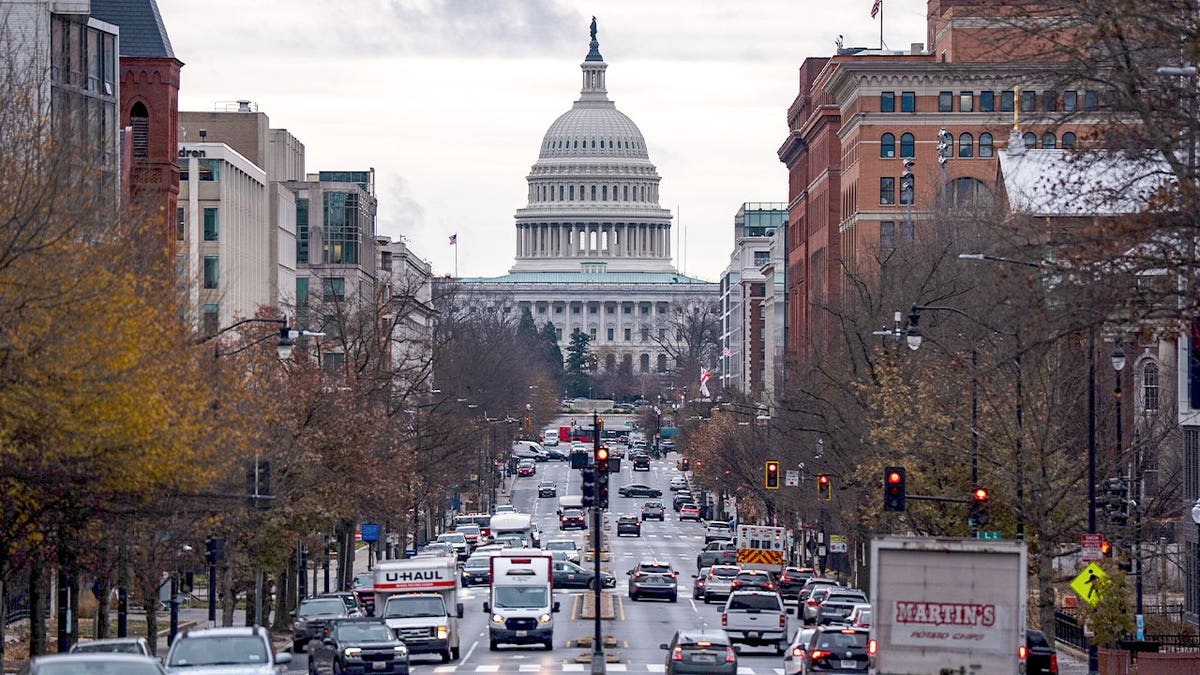
The transition from summer to fall often brings upheaval in Congress. This year, the lawmakers avoided the typical chaos of a government shutdown, finding a solution sooner than usual. Funding for the government typically extends only until September 30, marking the end of the federal fiscal year. However, they resolved the issue in advance, offering a temporary reprieve from the usual autumn tensions.
Current Status
There will be no immediate shutdown. President Trump signed the funding bill, avoiding an imminent crisis. Government operations are financed through December 11. This has allowed lawmakers and journalists a brief respite to enjoy fall activities.
Future Uncertainties
Potential challenges await in mid-December. With the looming midterms, lawmakers are keen to avoid the rigorous disputes similar to last year’s lengthy shutdown. The political climate remains uncertain.
If Democrats gain control in the House, Senate, or both, Republicans may choose to approve government funding through 2027 to maintain influence. Democrats would argue for stopgap measures, planning to reassess spending if they seize power. President Trump will remain in office in January, possibly leading to disputes if a filibuster arises in the Senate.
Congressional Dynamics
Passing a spending package requires at least 60 Senate votes. Republicans cannot solely rely on their numbers. Cooperation with Democrats will be crucial. Similar challenges were faced last year during the previous shutdown. The partisan bill from the House failed against a filibuster in the Senate.
Potential Government Shutdown
The 120th Congress could start with a shutdown if unresolved. In 2018, Democrats gained the House during the midterms, leading to a similar situation. Disagreements between President Trump and outgoing Speaker Paul Ryan resulted in a 35-day shutdown.
Such spending disputes expose deeper tensions, especially if the parties shift control. Democrats might incorporate more progressives and socialists, influencing their approach on spending. House Minority Leader Hakeem Jeffries will need to balance these new dynamics if they gain power.
Republican Concerns
Republicans face internal challenges. Differences could arise over House Speaker Mike Johnson’s future, should they lose the majority. There is interest in leadership roles from other GOP members, particularly if dissatisfaction grows with the current political climate.
Leadership Questions
Senate minority leadership could also face scrutiny. Chuck Schumer’s position might be questioned if Democrats fail to gain the Senate. Meanwhile, tensions continue between President Trump and Senate Majority Leader John Thune, impacting Senate dynamics.
Congress will also need to address other legislative priorities, including renewing key acts and aligning on policy during the incoming lame duck session. The customary autumnal chaos may be postponed but is likely to unfold after elections.