
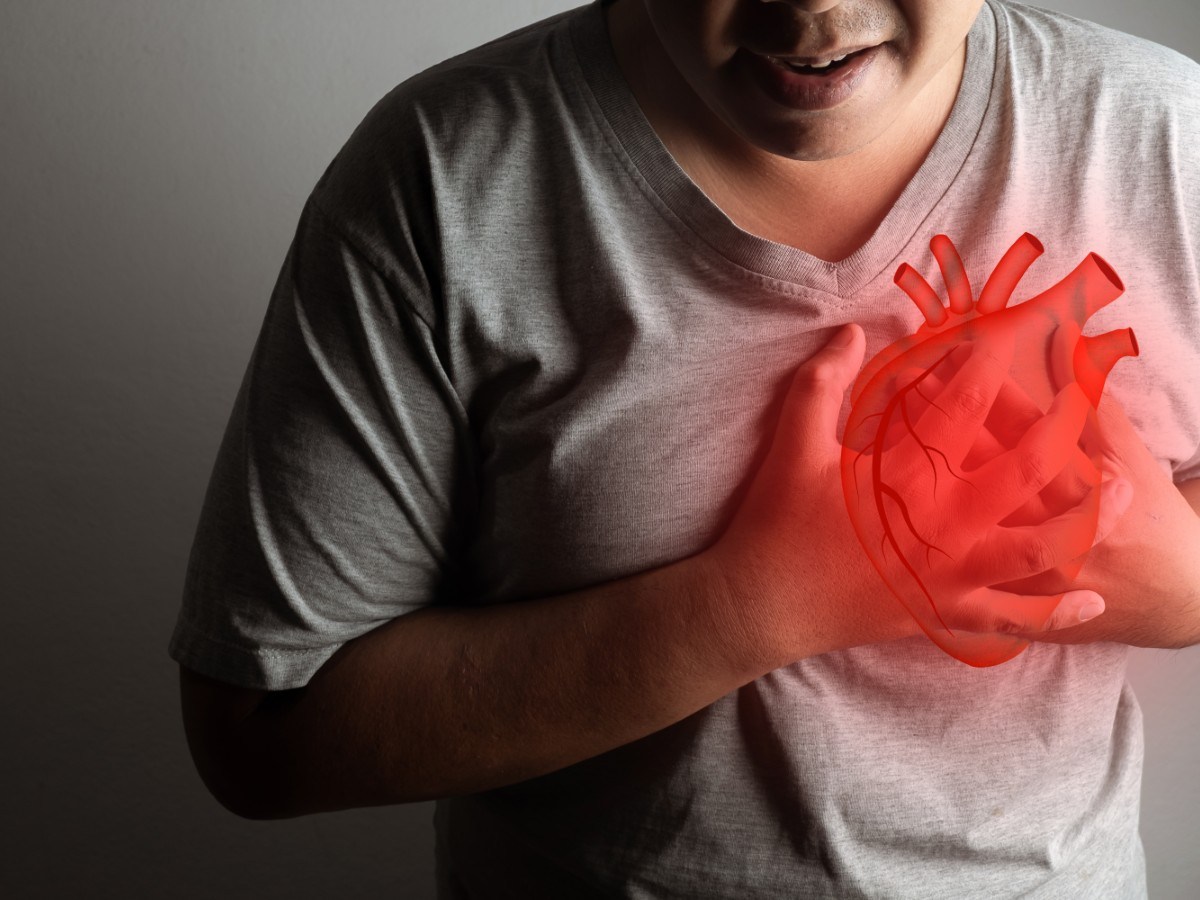
In recent research, higher consumption of ultra-processed foods has been linked with an increased risk of various health problems, including cancer, obesity, and even death. A team of researchers from China, Singapore, South Korea, and India analyzed data from approximately 9 million participants. Their study, published on September 22 in the journal Family Medicine and Community Health, highlights these concerning associations.
The Danger of Ultra-Processed Foods
Ultra-processed foods contain chemical-based preservatives, emulsifiers, sweeteners, and artificial colors and flavors. These are ingredients not typically found in home kitchens but are used during extensive processing. Such foods include sodas, prepackaged snacks like chips and cookies, frozen meals, lunch meats, and hot dogs.
Health Conditions Linked to Consumption
An analysis of 51 prospective cohort studies involving nearly 8.8 million participants from the Americas, Europe, Asia, and Oceania found associations between high ultra-processed food intake and increased risks of several conditions, including:
- Cardiovascular events (24% higher risk)
- Cancer (12% higher risk)
- Obesity or overweight (23% higher risk)
- Metabolic syndrome or diabetes (24% higher risk)
- Depression or anxiety (27% higher risk)
- Digestive diseases (31% higher risk)
- Death from any cause (18% higher risk)
Impact of Increased Consumption
Researchers found that every additional 100 grams of ultra-processed food consumed daily increased risks, such as:
- Cardiovascular events (14% higher risk)
- High blood pressure (11% higher risk)
- Cancer (4% higher risk)
- Death from any cause (3% higher risk)
- Metabolic syndrome or diabetes (2% higher risk)
An increase of 10% in energy intake from these foods correlated with a 16% higher risk of metabolic syndrome or diabetes. However, the study emphasizes that these are associations and not direct causations.
Expert Opinions
Maya Vadiveloo from the University of Rhode Island noted that many individuals consume over half their daily calories from ultra-processed foods. This pattern is associated with increased chronic disease risk. Vadiveloo and Fang Fang Zhang from Tufts University caution about interpreting certain findings, especially concerning cancer, due to variability in study results.
Kristina Petersen of Pennsylvania State University explained that diets high in ultra-processed foods might cause inflammation and nutrient deficiencies, affecting health negatively. Dalia Perelman from Stanford University stressed the importance of focusing on diets rich in minimally processed, nutrient-dense foods.
Steps Forward
More research is necessary to understand the exact impact of ultra-processed foods on health. Kristina Petersen called for a clearer definition of ultra-processed foods to aid in reducing related diseases. Experts agree that making healthier foods more affordable and accessible can encourage better dietary choices.
Vadiveloo and Zhang support clear front-of-package labeling to aid consumers in identifying ultra-processed foods, as these products are often poorly labeled and heavily promoted. Perelman suggests that the focus should not be solely on eliminating ultra-processed foods, but also on making healthier options easier for consumers to choose.