
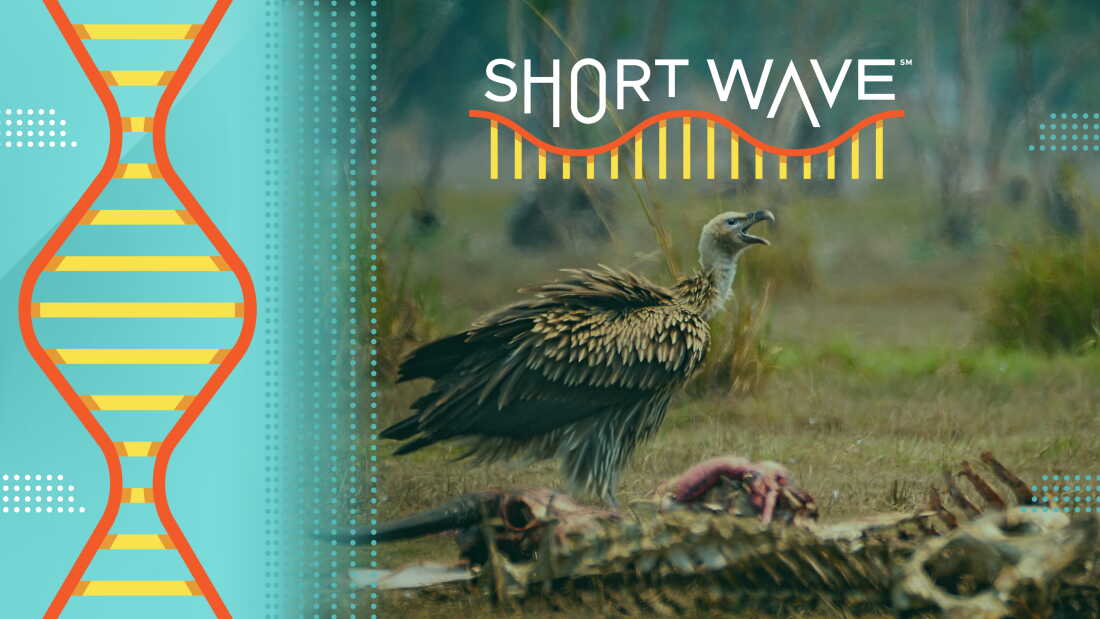
Hundreds of species of scavenging animals around the globe are facing a significant decline or are threatened with extinction. These animals, which feed on decomposing animal bodies, play a crucial role in maintaining human health.
Researchers have identified a troubling connection between the decline of scavenger populations and risks to human health. NPR science reporter Jonathan Lambert explores how the health of humans is closely linked to these scavengers. The reduction in their numbers could lead to increased cases of diseases in humans.
For those interested in learning more about how conservation efforts might mitigate these health risks, Lambert delves into potential solutions. Conservation could be a tool to help stabilize these populations and protect human health.
To explore more of Jonathan Lambert’s reporting on the intersection of scavengers and human health, you can find additional resources and articles.
If you have questions regarding the science behind skincare products or other scientific inquiries, reach out via email at [email protected].
Listen to episodes of Short Wave sponsor-free and contribute to NPR’s mission by subscribing to Short Wave+ at plus.npr.org/shortwave. Find Short Wave on Spotify and Apple Podcasts.
This episode was brought to you by a team including producer Berly McCoy, editor Rebecca Ramirez, and fact-checker Tyler Jones. The audio was engineered by Jimmy Keeley.