
A woman from Georgia, Ansley Brown of Coweta County, has become a notable voice against the expansion of AI-driven infrastructure. Her heartfelt farewell to her childhood home, now set for demolition due to a power transmission project, has caught public attention. She shared her sentiments on X, expressing, “Today is the day we say goodbye to my childhood home. Soon to be demolished by Georgia Power for the data centers.”
Alongside her post, Brown shared a video documenting her farewell to the property she grew up on. The site is part of a disputed plan to acquire land for a transmission project linked to growing electricity demand.
Brown has emerged as a leading opponent of the Georgia Power project over the past year. She has utilized social media platforms to chronicl… her family’s battle against data centers and highlight the impact on rural communities.
The Data Center Battle
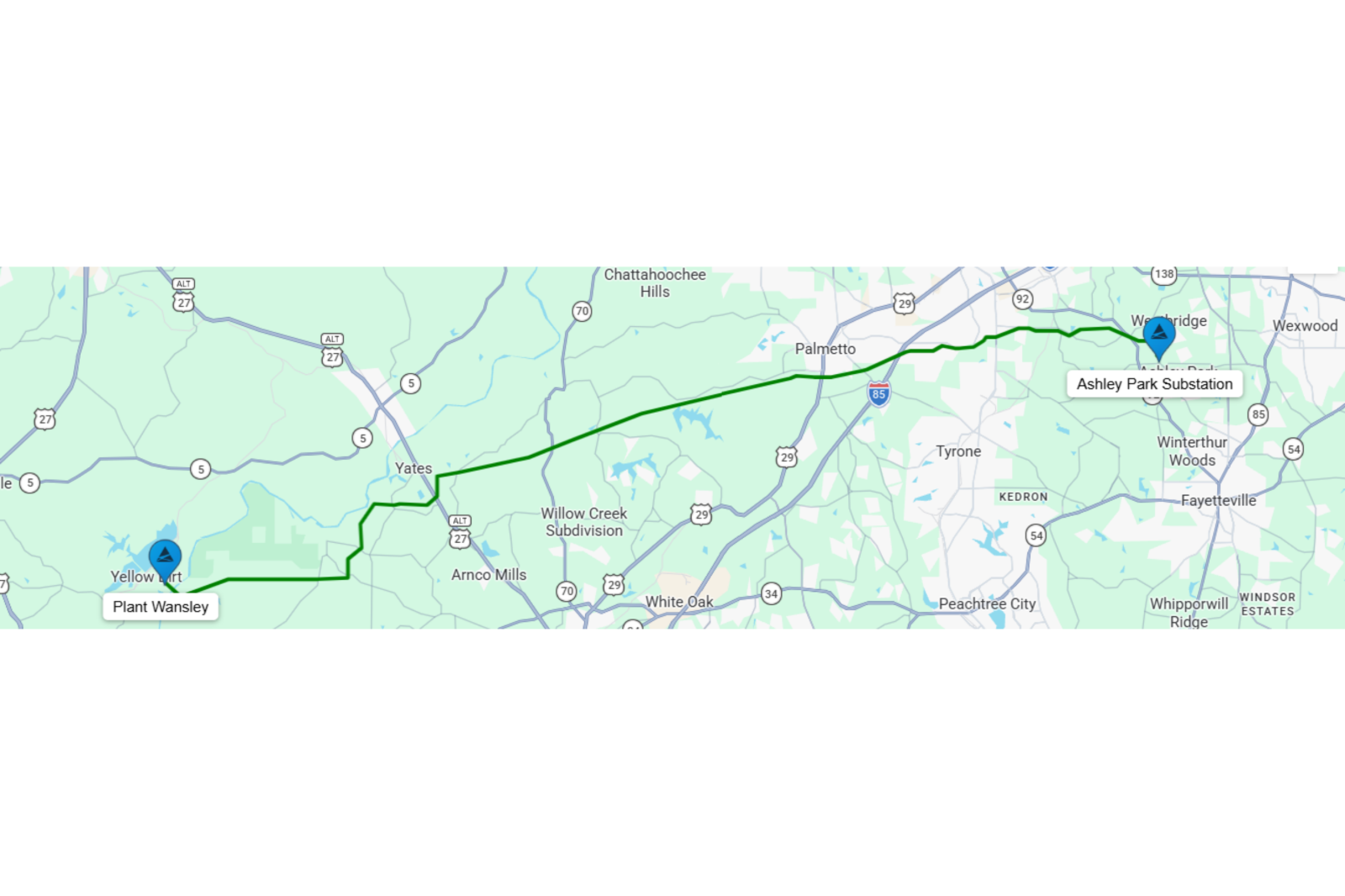
The Ashley Park-Wansley project involves a new 35-mile transmission line linking Ashley Park Substation in Fayette County to Plant Wansley in Heard County. Georgia Power asserts the project is essential to “strengthen and expand the electric grid,” ensuring reliability and meeting Georgia’s rising energy needs.
However, Brown argues the project will destroy property meant to remain in her family for generations. “They’re going to completely demolish it to the ground and all of the buildings that are here that belong to my mom as well. We’ll never be able to come back here,” she stated during an interview with Marjorie Taylor Greene on “Life With MTG.” She described the property as a source of “generational wealth,” a core element of the American dream being taken from her family.
The controversy drew national attention, spotlighting Brown’s criticism of “eminent domain” in infrastructure projects that largely benefit data centers. Newsweek has reached out to both Brown and Marjorie Taylor Greene for further comments.
What Is Eminent Domain?
Eminent domain allows governments and specific utilities to acquire private property for projects serving a public purpose, with the condition of providing suitable compensation. This is grounded in the Fifth Amendment to the U.S. Constitution, which asserts that “private property” cannot “be taken for public use, without just compensation.”
Under Georgia law, electric utilities can employ eminent domain for transmission line projects, adhering to public notice, routing, and negotiation criteria with landowners. This enables companies like Georgia Power to mandate the sale of private land required for certain projects, provided they comply with legal procedures and offer compensation.
Opponents, including Brown, argue that transmission infrastructure intended mainly to benefit private-sector data centers should not qualify as public-use projects.
Georgia Power’s Response
Georgia Power has defended its project and the land acquisition process. The company describes the transmission line as “critical infrastructure” designed to improve grid reliability, address evolving energy needs, and ensure resilient electric service. They emphasize that using eminent domain is a last resort.
A spokesperson stated to CBS News that the process is “a last resort for us and it’s something we never want to do.” Company estimates report that approximately 70 to 80 percent of the new line’s demand will support data center growth, with the remaining demand serving residential and commercial customers.
For Brown, the issue goes beyond receiving compensation. Her fight against the project gained traction through organizing efforts, public meetings, and social media advocacy, marking the culmination of her campaign to address tensions between the AI boom, power infrastructure expansion, and private property rights. Now, she faces the loss of her cherished family home.
Newsweek’s reporters and editors utilized Martyn, our AI assistant, to compile this story. For more information about Martyn, visit our website. For inquiries on this story, contact Newsweek editors John Fitzpatrick and Cristina Diciu.