
Since the 2024 election, Democratic congressional candidates have unified on the need to secure the border. However, they lack a consistent stance on Immigration and Customs Enforcement (ICE). Some advocate for abolishing ICE, while others propose reforming the agency.
Republicans have found success with President Trump’s immigration policies regarding the border, but the violence associated with ICE raids has been a point of contention for voters. Some Republicans in battleground areas are distancing themselves from the focus on mass deportations, instead emphasizing the deportation of criminals. This shift is in response to voter concerns about the cost of living taking precedence over immigration, although immigration remains crucial for many.
As the November 3 midterms approach, Democratic candidates in multiple states, such as Illinois, Minnesota, and New Jersey, are advocating for abolishing ICE. Progressive Senate candidate Abdul El-Sayed from Michigan supports this view and has criticized fellow Democrats for their fear of addressing the issue.
“The idea that somehow we can’t say ‘abolish ICE’ because we’re so afraid of what they’re going to say, when we’ve seen ICE terrorize people in our streets,” said El-Sayed before Michigan’s Senate primary.
The Democratic National Committee recently approved conflicting messages on the issue, with one advocating abolishment and the other calling for reform. Randy Villegas, a political science professor and candidate in California’s 22nd District, supports a pathway to citizenship, the end of for-profit detention facilities, and holding ICE accountable for misconduct. Villegas, whose family immigrated from Mexico, emphasizes personal experiences with the flawed immigration system.
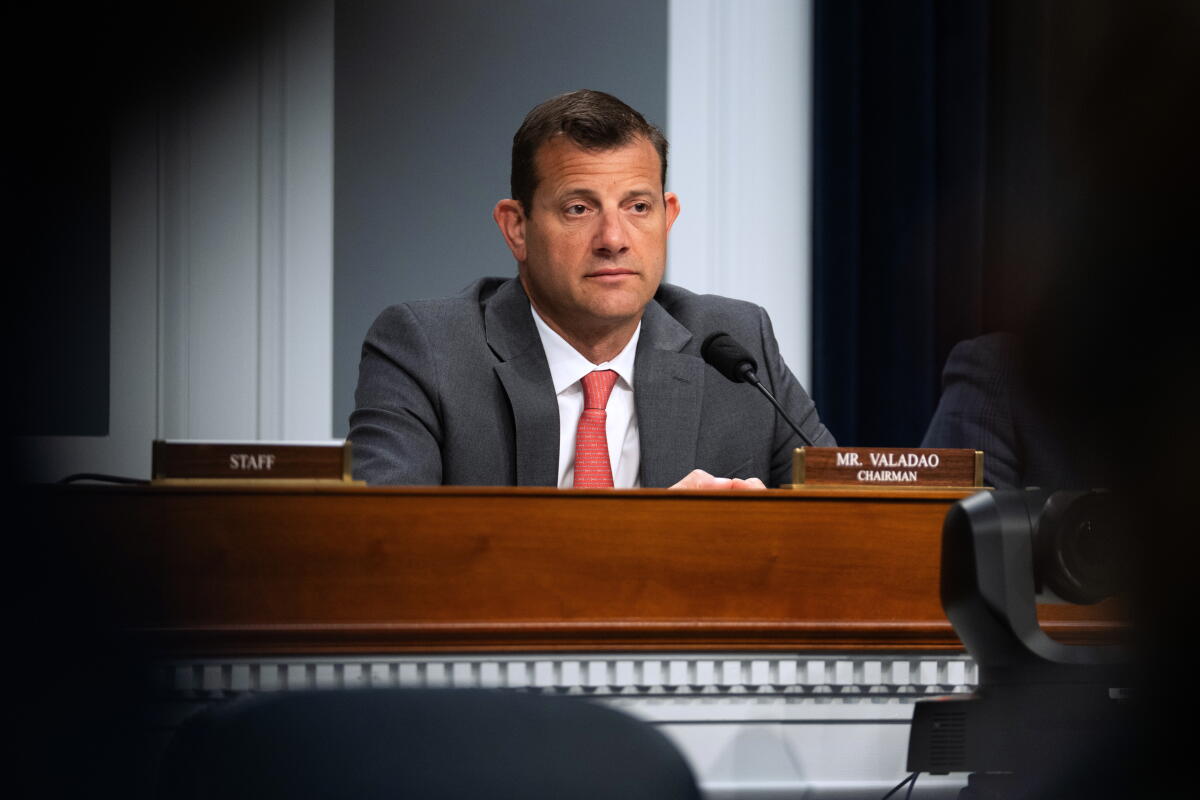
Republican Rep. David Valadao, also from California, supports a balanced approach, advocating a pathway to citizenship and a guest worker program for agriculture. He has also sponsored the Dignity Act, aiming to create temporary legal status for certain immigrants.
In Texas, Democratic Senate candidate James Talarico compares the southern border to a front porch with both a welcome mat and a lock. He supports immigration enforcement focused on cartels, gang members, and human traffickers while calling for the replacement of ICE with an agency focused on public safety.
Republican Texas Attorney General Ken Paxton supports Trump’s immigration policies and emphasizes collaboration between state and federal agencies. Paxton has enacted raids in Houston and transferred immigrants to ICE custody.
Despite the Biden administration’s policies, Democratic strategists emphasize the need to restore public trust in their willingness to enforce immigration laws. James Talarico’s approach is endorsed by centrist strategists due to its appeal to swing voters.
Republican candidates face challenges adapting their messaging due to previous reliance on tough immigration stances that now alienate some voters. Spending on immigration-related ads reveals a heavy investment by Republicans compared to Democrats. Some Republicans now distinguish between deporting criminals and other immigrants to gain voter trust.
In Colorado, Rep. Gabe Evans and Texas Rep. Monica De La Cruz differentiate their positions by focusing on deporting criminals rather than mass deportations. De La Cruz, although supporting Trump’s agenda, has intervened on behalf of detained individuals, reflecting nuanced strategies within her campaign.
Conversely, her opponent, Bobby Pulido, opposes absolute approaches like abolishing ICE but criticizes both Trump’s administration’s policies and inadequacies in creating legal pathways for immigrants.
Florida Rep. Maria Elvira Salazar has directly challenged Trump and immigration policies in her reelection campaign, speaking to Hispanics who feel betrayed by the administration’s tactics. Polls indicate dissatisfaction among her constituents, heavily composed of Latinos, offering insights into voter sentiment on immigration.