
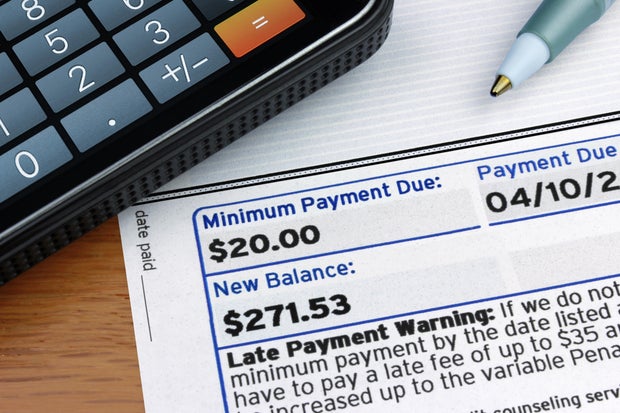
Paying only a portion of your credit card minimum might reduce your overall debt, but it doesn’t satisfy the required payment for the month. If you consistently deal with high credit card balances and financial constraints, adhering to the minimum payment each month can provide essential financial flexibility. However, this can still be a challenge when other expenses compete for the same limited funds.
Many cardholders face difficulties as credit card balances rise and interest rates increase. Expenses like housing, food, and utilities often take precedence, making it challenging to fulfill credit card payments. You might feel inclined to pay a portion of the minimum—like $150 of a $200 minimum—as a partial effort to appease creditors. But credit card systems don’t operate that way.
Consequences of Paying Less Than the Minimum
For a credit card payment to be considered on time, paying at least the minimum by the due date is necessary. Falling short, even by a small amount, results in a late payment classification with potential late fees being charged. This situation not only fails to alleviate financial strain, but it makes it more expensive. Interest will typically keep accruing, and late fees add to the debt. In certain cases, your agreement might lose promotional APR benefits or incur a penalty APR on new purchases.
Your credit report could suffer too. A payment less than 30 days late isn’t usually reported, but beyond that threshold, delinquency is likely to be reported, negatively affecting your credit score. For instance, if your minimum is $300 and you pay only $100, the payment isn’t considered complete even if the issuer accepts it. The account must be made current per the issuer’s guidelines to prevent progressing delinquency. Continuous falling behind can cause credit damage, account closure, or collection activity, regardless of partial payments being made.
Options if You Can’t Afford the Minimum Payment
If you’re regularly unable to meet the minimum payment, it’s vital to address the root problem early. Reach out to your card issuer to explore hardship programs which might temporarily lower your interest rate or reduce monthly payment obligations. Issuers often have these programs for financially strained clients.
For multiple card issues or long-term debt concerns, other relief forms might be needed. A debt consolidation loan could merge various card balances into a singular, potentially lower-interest payment. Alternatively, a debt management plan through a credit counseling agency could also restructure payments or reduce interest costs.
Debt settlement might be an option for severe financial hardship cases. This involves negotiating to settle the debt for less than owed, but it can negatively affect your credit, and creditors are not obligated to agree. It’s crucial to evaluate costs and risks before proceeding.
Acting quickly is key. Delays in dealing with payment issues can amplify the debt and reduce available solutions.
Final Thoughts
Paying part of your credit card minimum reduces what you owe, yet it seldom meets the set minimum payment requirement. Failing to pay in full by the deadline can invite late fees, affect account terms further, and hurt credit scores with prolonged delinquency. If you can’t pay the minimum, contact your issuer about hardship arrangements swiftly. For broader debt troubles, explore comprehensive relief strategies instead of partial payments.