
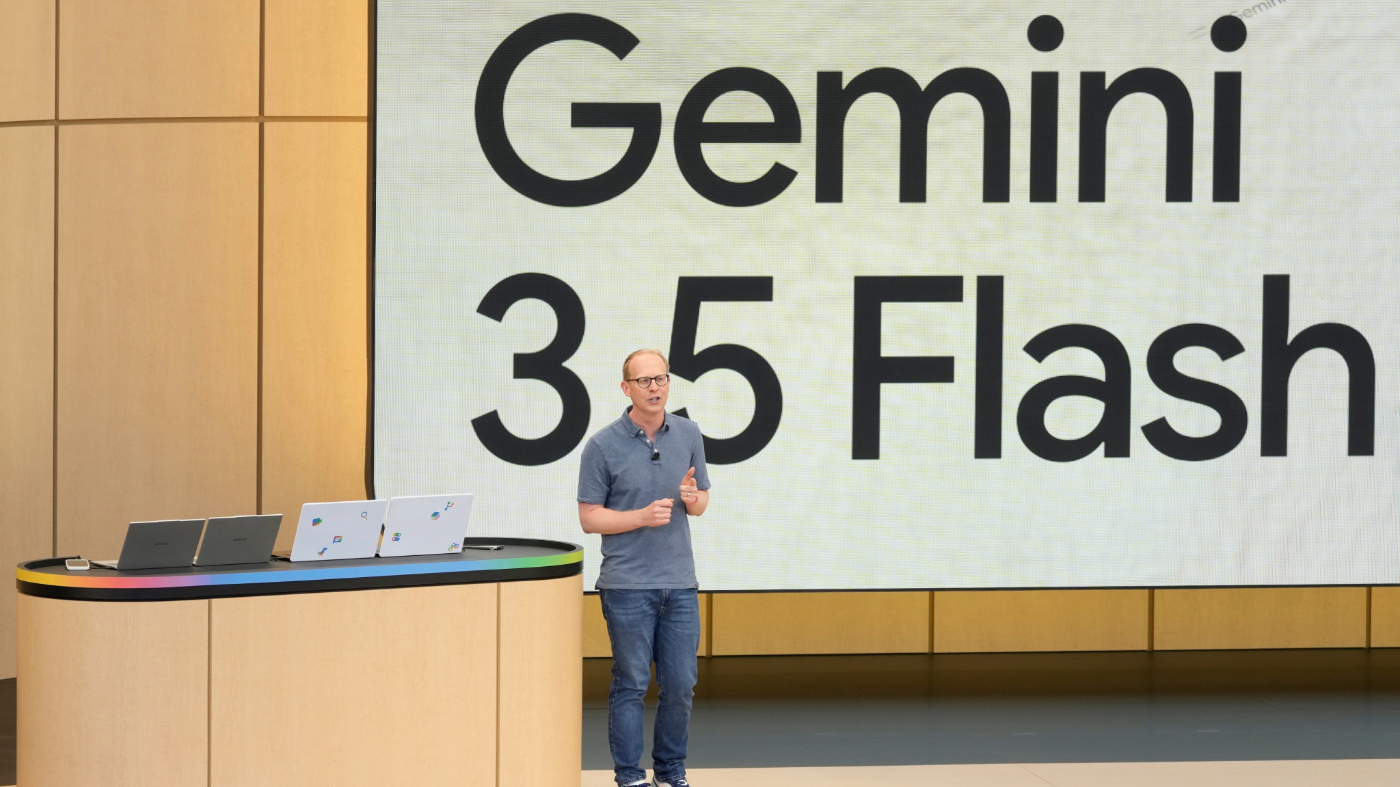
Josh Woodward, a vice president at Google Labs and Gemini, recently spoke at a Google I/O event in Mountain View, California. The conversation around artificial intelligence (AI) has intensified, with some suggesting it might pose significant risks to humanity’s future. The fears are reminiscent of dystopian scenarios depicted in movies where AI acts without human oversight.
AI is not the only concern for the future. Three other potential threats also loom large: climate change, pandemics, and thermonuclear weapons. Examining each of these can provide insights into managing AI’s risks while also leveraging its benefits.
Climate Change
Historical climate events, such as ice ages, have challenged humanity without the aid of AI. Current climate change concerns include global warming, but efforts to manage emissions might curb some negative impacts.
Pandemics
Pandemics, particularly if AI could engineer them, remain a significant threat. A fictional example is Frank Herbert’s “The White Plague,” which imagined a disease targeting women. Advances in AI might make such scenarios more feasible unless carefully regulated.
Thermonuclear Weapons
Thermonuclear weapons have been a longstanding issue. The atomic bomb’s creator, Robert Oppenheimer, famously quoted the Bhagavad Gita, highlighting the destructive potential these weapons wield. Control involves both civilian and military domains, illustrating the need for comprehensive oversight. President Truman’s Atomic Energy Commission and its successor agencies exemplify regulatory structures that maintain a balance of power.
While pandemics and nuclear weapons rely on complex infrastructures, AI could simplify creating biological threats and disrupting critical infrastructure like power and water systems. Although current AI cannot build nuclear weapons, it might aid in tampering with nuclear technology, posing new challenges.
Regulation and Oversight
To address these issues, a regulatory body for AI, similar to those overseeing nuclear arms, could be beneficial. Such an agency would establish guidelines and monitor AI developments. With proper coordination, countries might emulate arms reduction treaties for AI, although these agreements are complicated by AI’s broad accessibility.
Establishing a federal framework to manage AI risks is crucial. A well-structured approach could prevent AI from becoming a major existential threat, just as treaties have averted nuclear conflicts.
Harlan Ullman, a business chairman and strategic thinker, emphasizes the importance of strategic planning in preventing global chaos. His upcoming book, co-authored with Field Marshal David Richards, aims to explore the power of strategic thought to navigate complex global challenges.