
Former Navy SEAL Andy Stumpf recounted the daring mission that involved 155 aircraft to rescue ‘Dude 44 Bravo,’ an American airman, from Iran after a 48-hour evasion. This mission highlighted the military’s progress since the failed Operation Eagle Claw in 1980, achieving success without any US casualties.
An Air Force colonel, recognized by the call sign “Bravo,” survived a harrowing ordeal following a crash, where he endured broken bones and a two-day manhunt. He turned to prayer during his fall, marking the start of an extraordinary 50-hour journey for survival. Describing the fall as the most terrifying experience, Bravo’s account aired on CBS News’ ’60 Minutes.’
During the mission on April 2, Bravo acted as the weapons systems officer for an F-15E Strike Eagle targeted at Iranian industrial facilities. An Iranian missile strike incapacitated the jet, forcing Bravo and his pilot, ‘Alpha,’ to eject. While Alpha’s ejection was successful, Bravo faced a damaged parachute, which propelled him toward the ground at high speed.
The impact left Bravo with severe injuries, including a broken back, arm, and shoulder. Despite these injuries, Bravo managed to distance himself from his landing site in enemy territory, navigating a 7,000-foot ridgeline.
The mission’s complexity was further highlighted by the Iranian forces actively searching for the downed pilots. As the situation unfolded, images of the wreckage circulated in Iranian media. Amid the tense scenario, Defense Secretary Pete Hegseth pledged to recover the American aviators, igniting a swift rescue response.
The rescue operation saw U.S. helicopters engaging in combat while retrieving Alpha. Unfortunately, locating Bravo proved more challenging. As night fell, Bravo managed to communicate with American forces, indicating his status and movements, though another immediate rescue was deemed unfeasible.
Bravo endured harsh conditions with limited supplies as the CIA implemented deceptive strategies to mislead Iranian forces and leverage classified technology to locate Bravo precisely. U.S. bombers targeted areas linked to Iranian forces to facilitate the mission’s progress.
More than 90 U.S. service members entered Iran on the ground, the first since 1979, supported by a significant air operation. Small helicopters ultimately retrieved Bravo, marking a climactic moment when he first sighted his rescuers.
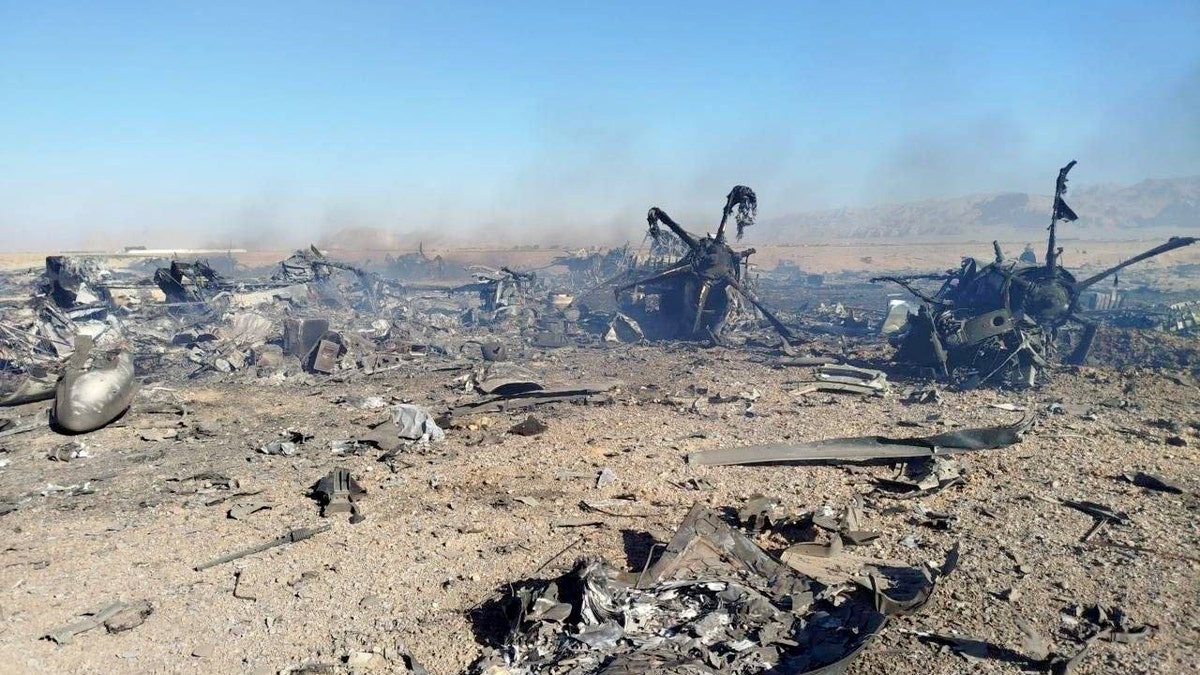
Despite the joy of the rescue, challenges persisted when the rescue planes encountered difficulties due to the desert terrain. A clandestine unit subsequently extracted the group, deliberately destroying the stranded aircraft to protect American technology.
The mission concluded on Easter Sunday, approximately 50 hours after the initial shooting down of Dude 44. Bravo attributed his survival to divine intervention, acknowledging the teamwork, leadership, and decisions of those involved in upholding America’s promise to leave no one behind.
Bravo’s story, echoing themes of resilience, cooperation, and faith, aired on the ’60 Minutes’ season premiere, capturing the essence of a historic mission embodying America’s commitment to its service members.