
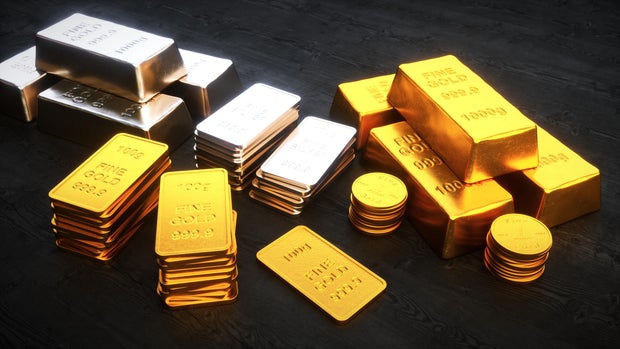
Gold and silver investors have been navigating significant price fluctuations throughout 2026. Gold’s value rose above $5,500 per ounce early in the year but has since retreated to around $4,275 per ounce by mid-September. Silver has also seen considerable swings due to shifting expectations around inflation, interest rates, and economic conditions. With the Federal Reserve set to meet on September 15 and 16, there’s increased speculation about another potential rate hike, driven by persistent inflation.
Potential Impact of a Fed Rate Hike
If the Federal Reserve raises interest rates in September, gold and silver could face short-term pressure. Higher rates make interest-bearing investments like bonds and savings accounts more attractive, causing some investors to shy away from gold and silver, which do not pay interest. A rate hike could also strengthen the U.S. dollar, making gold and silver more expensive for international buyers.
However, a rate hike doesn’t automatically lead to lower precious metal prices. Investors often adjust their positions before an anticipated Fed decision, meaning some impacts may already be priced in. If the Fed raises rates, future price reactions might depend on policymakers’ comments about further hikes in the coming months. High inflation, geopolitical concerns, or economic uncertainty could sustain demand for gold, even if rates rise.
The Distinct Dynamics of Silver
While silver shares some influences with gold, such as interest rates and dollar strength, it is also heavily tied to industrial demand. Silver’s role in manufacturing and technology, like solar panels and electronics, connects its price to the global economy’s strength. If a rate hike slows economic activity, it could impact industrial demand and apply additional pressure on silver prices.
Overall, a Fed rate hike might challenge both metals, but it won’t be the sole factor impacting their future prices. The central bank’s outlook on rates, coupled with inflation trends, dollar strength, and investor demand, will likely hold greater influence.
Key Considerations for Investors After the Fed Meeting
While the Fed’s decision this week is crucial, investors should focus on subsequent developments. Attention should be paid to forecasts for more rate hikes. If the Fed raises rates and suggests further increases, this could elevate Treasury yields and impact precious metals negatively.
Inflation data will also be significant. If inflation continues to rise, there might be expectation of further tightening. Conversely, cooling inflation could reduce the likelihood of subsequent hikes, easing pressure on gold and silver.
Investors should assess the broader rationale for holding precious metals. For those viewing gold as a long-term diversifier, a single Fed decision might not necessitate major changes. Similarly, those owning precious metals as a hedge against inflation or geopolitical risks might view short-term volatility with less concern.
In essence, the Fed’s rate decisions are just one facet to consider. Variations in the dollar, bond yields, geopolitical risks, and industrial demand can push precious metals in various directions. Even if a rate hike prompts an immediate decline, it might not define the longer-term path for gold or silver.
Conclusion
A September Fed rate hike could short-term impact gold and silver, potential volatility might follow if such action is already priced into markets. Factors like persistent inflation, geopolitical uncertainty, and investor demand might provide support despite rising rates. Instead of guessing metals’ reactions to one Fed decision, consider their broader role in your portfolio and investment timeline.