
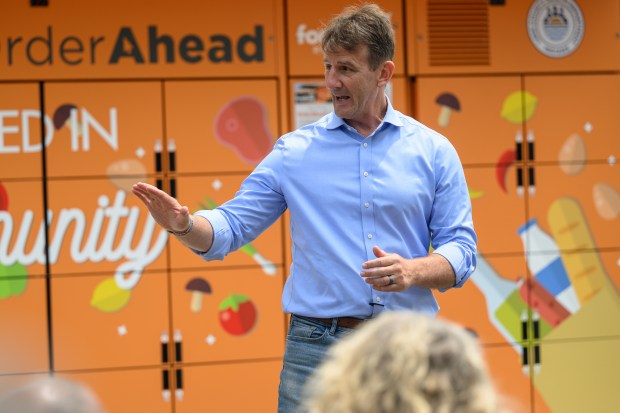
Farmers in the region shared their concerns with U.S. Rep. Frank Mrvan about issues ranging from federal crop insurance to diesel prices. Thirteen farmers, representing diverse agricultural operations, gathered in a meeting room at the Porter County Administration Building. They aimed to inform Mrvan about their challenges and aspirations for the upcoming Farm Bill. This meeting followed their initial discussion in January.
Mrvan began the conversation by acknowledging the current struggles faced by the farming community. He expressed worry about restricted credit for farmers and tariffs on crucial inputs like potash and fertilizer from Canada. He invited the participants to speak on issues that mattered to them, including the impact of the latest derecho.
Bob Wichlinski, President of the Porter County Farm Bureau, voiced concerns over a proposed battery plant near his home. Although the area is zoned for agriculture, there are fears it could be circumvented. “When it’s the congressman’s concern, it’s other people’s concern,” he remarked.
The conversation touched on land speculation pressures. Matt Hayden of Indiana Farm Bureau spoke candidly, noting the lure of high land sale offers compared to the emotional impact on families. “It’s not farming anymore. It’s speculating,” Wichlinski stated, echoing the sentiments of others.
Tom Murphy from the Indiana Corn Growers Association mentioned a “shell game” of selling local acres to buy cheaper land elsewhere. Additionally, farmers discussed the challenges faced with NIPSCO, including restrictions on using self-generated solar power during recent storms.
Freida Graves from Faith Farms & Orchard explained how her ability to help the community was limited to 12-hour power access. Jody Herr faced a crop insurance issue, discovering his tomato crop wasn’t covered for hail damage post-Aug. 1, despite the harvest happening on Aug. 10.
Labor for agricultural work also presented concerns. Herr highlighted the need for improvements in programs like H-2A to attract labor willing to work under challenging conditions.
Murphy emphasized the high price of diesel, linking it to the war in Iran. Diesel costs have risen to $6.95 a gallon, making operations expensive. Murphy noted the daily expense of running combines can reach $1,800, while Hayden reported using 300 to 400 gallons of diesel daily.
Brantley Seifers from Indiana Farm Bureau pointed out the disconnect between consumers and the realities faced by farmers. It is essential to bridge this understanding, as Wichlinski concluded, “A very small percentage of the country produces food, but everybody eats. This is where it starts.”