
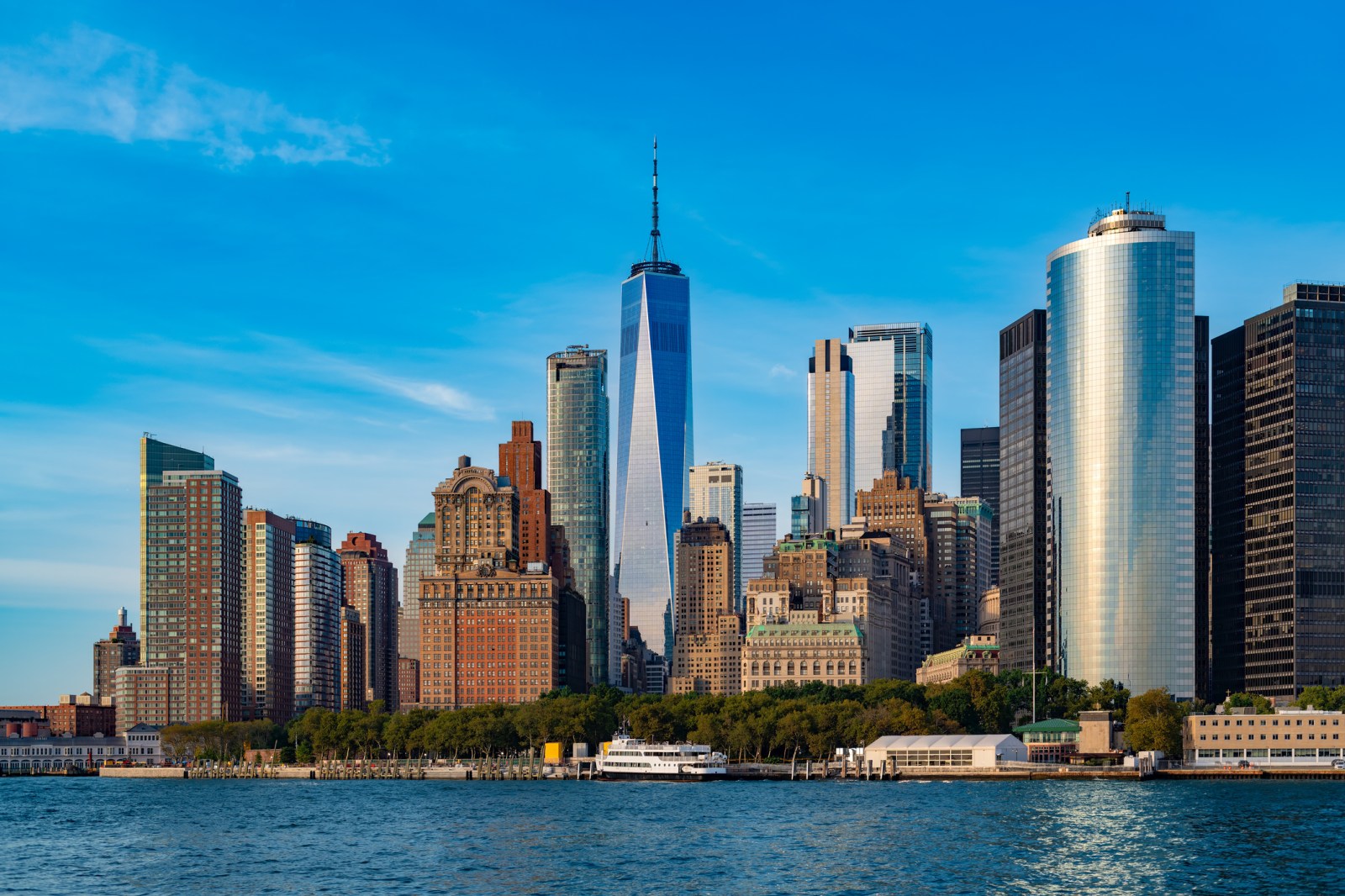
When arriving in New York City for the first time, many visitors feel as if they have stepped into a movie. The streets and sights of the city are well-known from countless films and TV shows. For some, like me, New York City is more than familiar; it’s home. I grew up here, moving across three boroughs, including Lower Manhattan, where I attended Stuyvesant High School until 2000, the year just before the September 11 attacks.
Almost everyone remembers where they were when the news of the 9/11 attacks broke. I was at a philosophy lecture at Binghamton University when the class was dismissed due to the unfolding events. The urgency to contact my family in New York City was immediate. Stuyvesant High School, only blocks from the World Trade Center, became an emergency triage center after the attacks. The school was temporarily relocated before reopening for classes.
Returning to Stuyvesant High School recently, just weeks ahead of the 9/11 anniversary, was surreal. The familiar facilities now carry memories of both education and emergency response. Spots like the McDonald’s on Chambers Street and the Century 21 department store remain unchanged, offering a comforting familiarity despite the evolving landscape. Yet, the mood in Lower Manhattan has shifted. The Financial District, once known for bustling office workers, transformed after 9/11, with many companies leaving the area due to toxic air concerns.
“Residential development played a critical role in reshaping Lower Manhattan,” says Dana Tamuccio, a Lower Manhattan historian.
The necessity for residential spaces became apparent, prompting projects like conversions of office buildings into homes. Luxury towers such as The Greenwich also rose, contributing to the district’s growth. Today, Lower Manhattan boasts a rapidly expanding population. The Community District 1, including neighborhoods like the Financial District and Battery Park City, reported a population increase of 28.6% since 2010. Home to over 70,000 residents, the area has become vibrant, with new venues and businesses catering to a lively community.
With more residents downtown, a thriving, around-the-clock community has emerged. New public spaces and eateries now populate the area. Spots like Blank Street coffee and Leon’s Bagels illustrate the transformation. Tom Christopher, an artist documenting the city’s evolution, notes the neighborhood’s shift into a genuine place to live, not just work.
Tourism has also surged. In 2025, Lower Manhattan welcomed 8.1 million tourists, more than double from 2020. Hotels like the W New York Downtown Hotel & Residences and the Four Seasons Hotel New York Downtown greeted visitors, reinforcing the area’s revitalization.
For Tamuccio, these changes highlight the resilience and strength of New York. The determination to foster a living community around such a significant site reflects the city’s enduring spirit. Tom Christopher believes that New York’s ability to recover and thrive demonstrates the cultural significance of patriotism in Lower Manhattan.
Personally, returning to this area of New York rekindled a sense of nostalgia and reminded me of the unchanging bond one has with a city. Despite the years apart, the affection remains steadfast, and no matter what challenges arise, New York will always endure.