
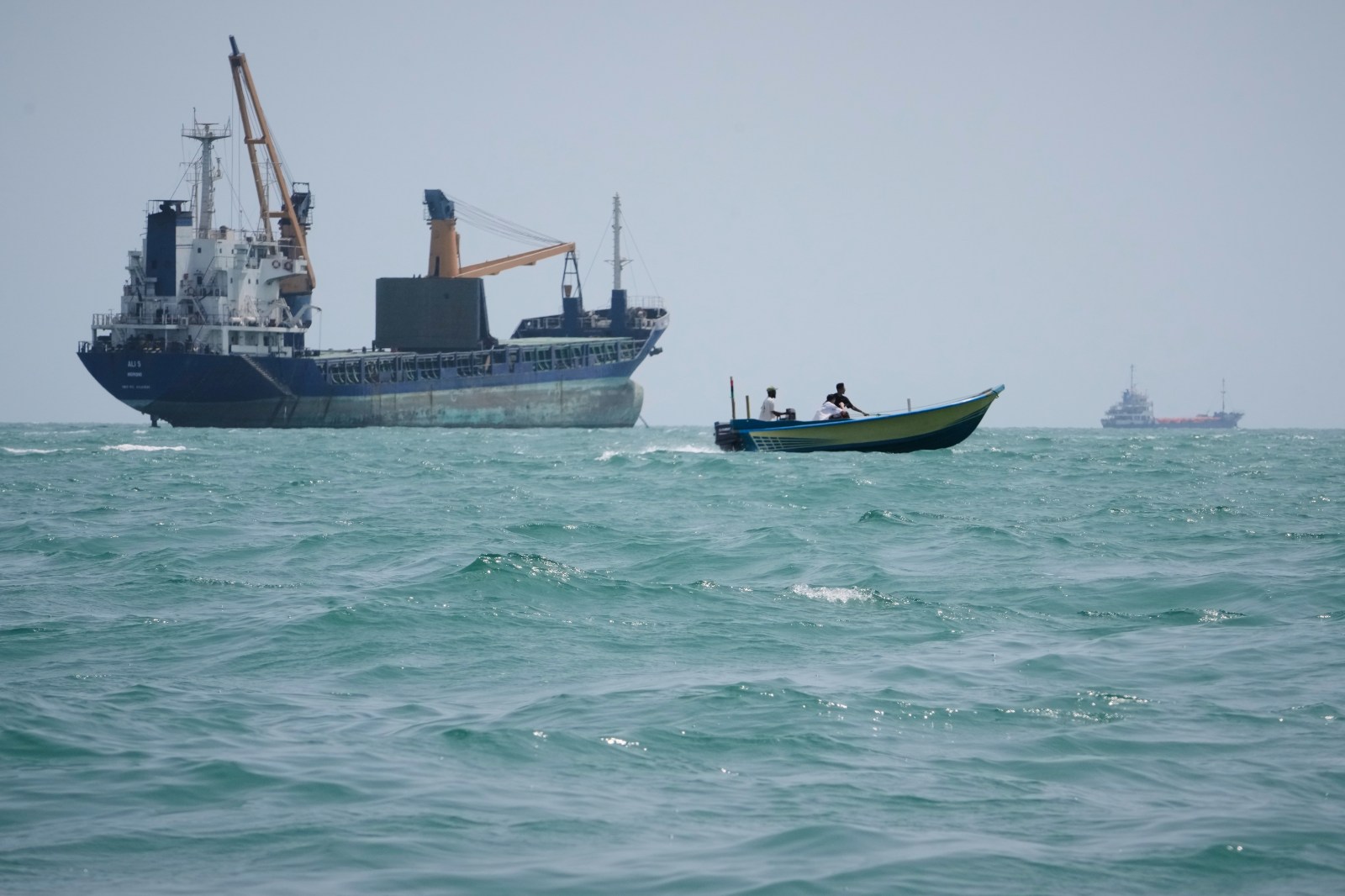
U.S. Military Actions in the Strait of Hormuz
The United States has redirected 100 commercial vessels in the last 60 days as part of a blockade against Iran. This move highlights the security dynamics in the Strait of Hormuz. U.S. Central Command (CENTCOM) stated that no ships have passed the blockade without their approval, reflecting a tightly controlled military operation. The strait is a key route for oil and gas, making its security crucial to global markets.
CENTCOM emphasized the scope of U.S. naval operations as diplomatic talks to stabilize the area remain stalled. The military ensures all commercial vessels navigating the blockade are under U.S. authorization.
Ongoing Tensions and Diplomatic Efforts
The conflict, which began in February, has amplified tensions in the region. The Trump administration’s strategy against Iran includes military and economic measures to limit Iran’s oil export capabilities. Despite ongoing talks, no agreement on shipping through the Strait is expected soon, adding uncertainty over the coming weeks.
Security concerns are high, with reports of attacks on commercial ships and competing claims between the U.S. and Iran over strait control. U.S. officials maintain the mission’s goal is to protect maritime trade, while Iran argues the blockade interferes with legitimate trade.
Iran’s Position
Iran contends that regional countries should manage the Strait’s security. They argue against foreign intervention, with consultations planned with Gulf countries. Iran’s Foreign Ministry spokesperson indicated that consultations with Oman have been conducted, emphasizing regional cooperation for security.
Iran accuses the U.S. of military aggression, linking economic sanctions to perceived hostilities, and sees its actions as self-defense while remaining open to diplomatic solutions.
Impact on the U.S. Economy
The blockade has significantly impacted global oil supply, causing a rise in crude oil prices. The national average gas price reached $4.31 per gallon, according to AAA. Diesel prices have also surged, affecting the cost of transportation and living expenses in the U.S.
Increased diesel prices affect commercial vehicles, leading to higher costs for goods and services. Analysts warn of potential inflationary effects as transportation and heating costs rise.
President Trump’s response has been to reassure the public, suggesting prices will drop post-election, despite acknowledging extended recovery times.