
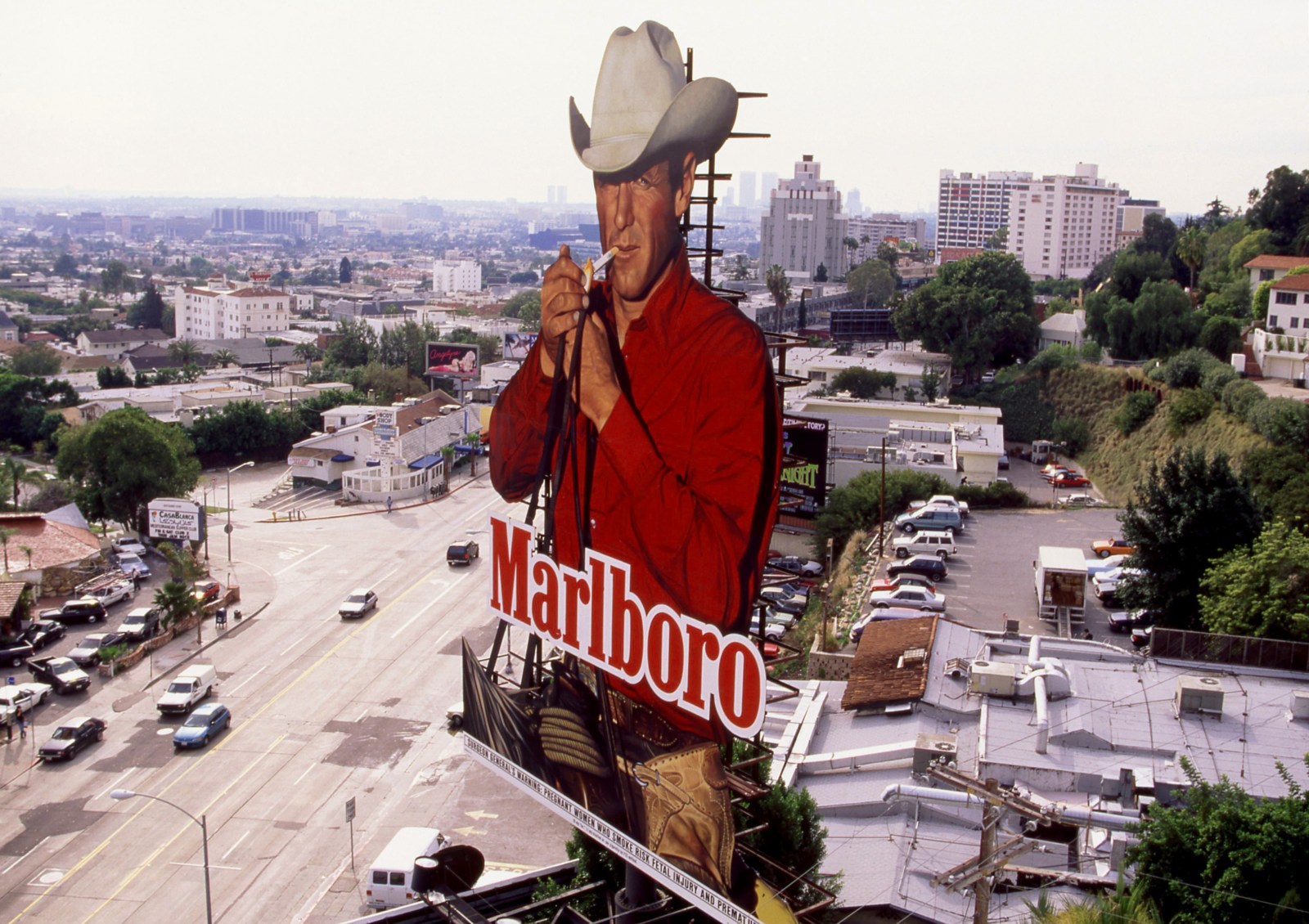
President Donald Trump enters the Republican Party’s midterm convention in Dallas, embodying a cowboy image that signifies a broader political strategy. This tactic aims to convince supporters to evaluate his second term based on the persona that brought him electoral success, rather than solely on his presidency’s tangible results.
Trump as a Cowboy
The party markets $16 drink cozies, showing Trump on horseback with a white Stetson, reminiscent of Marlboro cigarette ads. Trump urges supporters to treat November’s congressional elections as if his name were on the ballot. The cowboy persona complements Trump’s appeal to voters, shaping his narrative beyond mere digital kitsch.
From President to Character
Trump utilizes unique imagery in politics, eschewing ordinary portrayals even before his presidency. His public persona, shaped by television, has been expanded during his time in the White House. Memes during Labor Day painted him as a superhero constructing border walls, a hockey player, and a warship commander confronting enemies.
This imagery serves to bridge the gap between Trump’s online persona and his presidency’s challenges. As voters assess his record—prices, tariffs, manufacturing, foreign affairs—the cowboy image returns Trump to a role not easily measured by economic data: the action-driven leader who builds, wins, fights, and dominates.
The Incumbency Escape Hatch
Presidents try to evade the typical midterm referendum due to historically losing House seats in most elections since 1938. Trump’s party lost seats in 2018, which impacts presidential approval. His strategy for 2026 involves making himself central to the congressional campaign. He plans to attend and actively participate in the Dallas convention.
The Marlboro Man matches this approach. A cowboy’s appeal lies in toughness, contrasting the outcome-based evaluation of a president. By blurring these identities, Trump turns midterm votes into loyalty declarations rather than performance assessments.
The Myth Has Limits
The cowboy tactic may primarily aim at boosting turnout. Trump capitalizes on spectacles to engage supporters emotionally. The Dallas convention aims to imbue congressional elections with the excitement of a Trump campaign.
The risk emerges if Trump mobilizes both supporters and opponents, stressing the limits of the cowboy strategy. Symbolism can enhance allegiance but not erase a governing record. If undecided voters focus on economic and performance factors, Trump’s cowboy persona must contend with the reality of his presidency.
The Marlboro Man ideology once sold the West. Trump’s midterm challenge lies in whether this presidential caricature remains effective after nearly two years of tangible governance.