
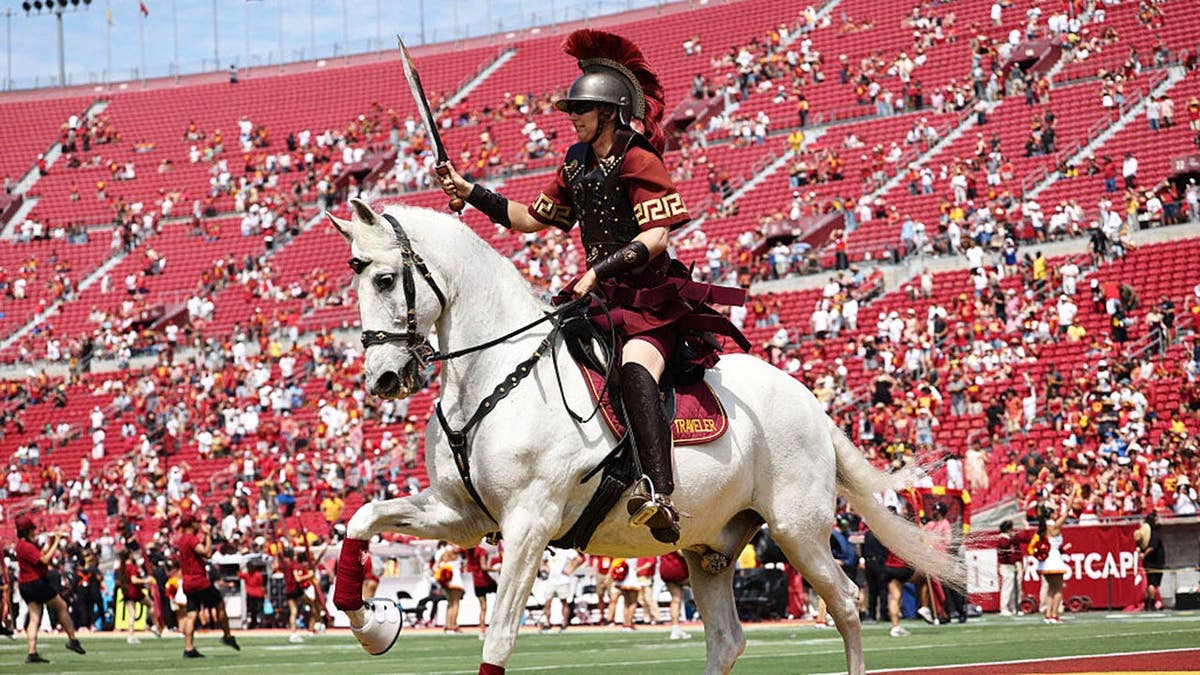
The early weeks of college football have brought unexpected weather-related challenges. This began with the USC Trojans’ game against San Jose State in Week 0 at the Los Angeles Memorial Coliseum. The LA area faced a rare hot and humid spell due to remnants of a tropical storm off the West Coast. The noon start time, combined with a 105-degree heat index, led to sparse attendance as many decided against braving the conditions for a game decided quickly after kickoff.
Similar conditions continued into Week 1 for teams like South Carolina and the Texas Longhorns. Despite tickets sold, fans departed early or sought shade, with some needing medical attention for heat-related issues.
These incidents have sparked debate over the scheduling of games in hot climates during late summer afternoons. USC’s low attendance and extreme heat in Texas highlighted the concern. Iliana Limon Romero, an LA Times sports editor, argued for scheduling changes to “adapt to climate change.” However, attributing regular summer heat in Austin, Texas, to climate change appears misguided. The typical high temperatures in Austin range from 95 to 97 degrees this time of year.
Criticism arises when such high temperatures are blamed on climate change, especially when deviations are minimal. Romero’s view reflects broader discussions on climate change and sports scheduling. Nonetheless, the climate complexities and regional weather patterns suggest typical summer conditions rather than climate shifts.
Texas hosting games in midday heat remains a logistical concern. Weather patterns, separate from climate change, highlight the need for better scheduling to ensure fan safety and comfort.