
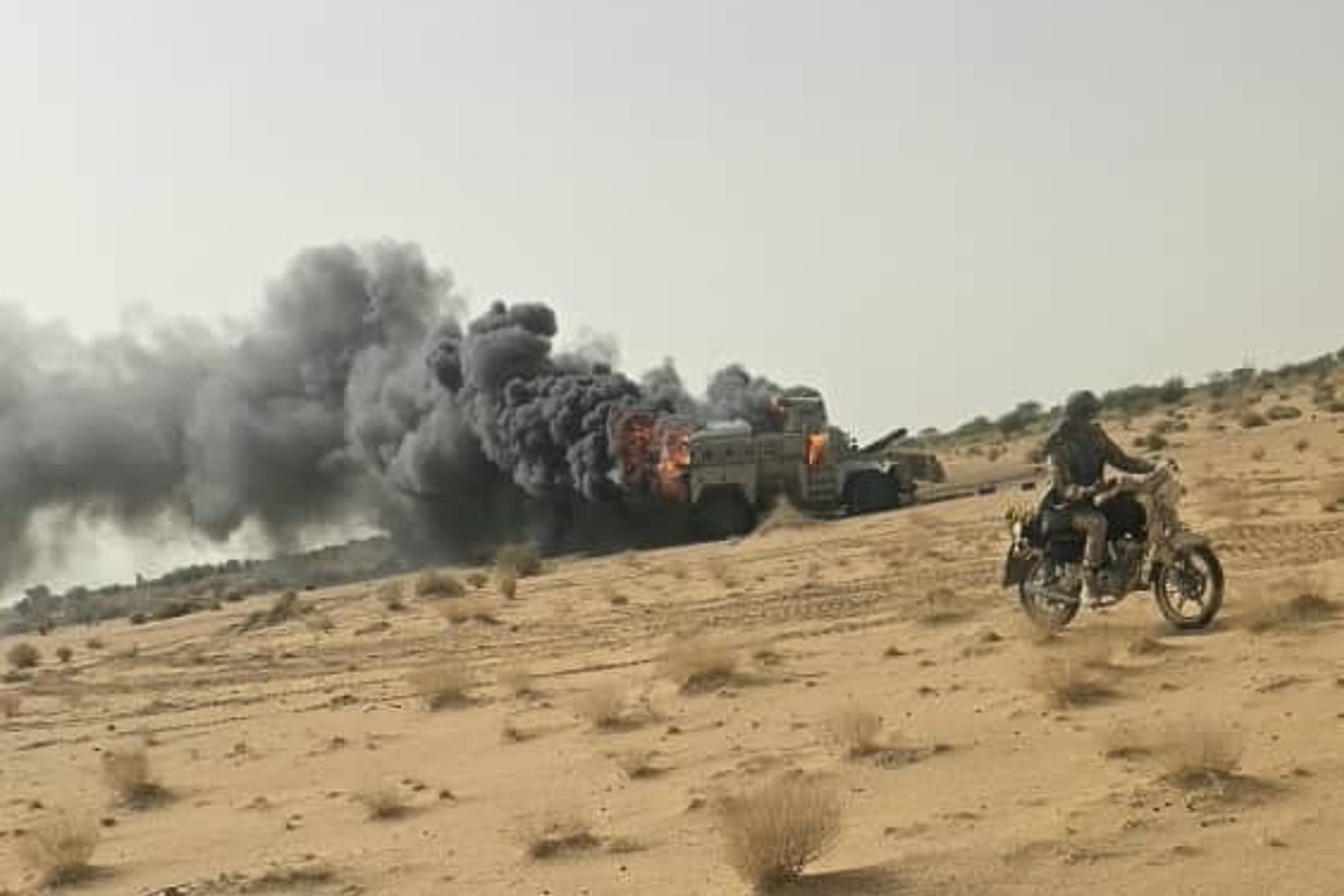
Rising Violence in the Sahel
The Sahel region in Africa is becoming increasingly dangerous. Al-Qaeda and ISIS-affiliated groups have gained strength here. Over 59,700 people have died in the past decade due to these militant groups, as reported by the Africa Center for Strategic Studies. This marks the Sahel as a critical area, with over half of last year’s worldwide terrorism-related deaths occurring there.
The U.S. Africa Command (AFRICOM) now identifies Africa as the central hub of global terrorism. Al-Qaeda and ISIS affiliates in this region aim to strike U.S. interests, according to AFRICOM officials.
Militant Expansion and Influence
Militant groups exploit local grievances to expand their reach. Héni Nsaibia of ACLED highlights their territorial influence across West Africa. They sustain campaigns against government and foreign forces while competing for regional dominance.
The Jama’at Nusrat al-Islam wal-Muslimin (JNIM), affiliated with Al-Qaeda, stands out for its ruthless tactics. It operates intensely in Burkina Faso, Mali, and Niger, threatening regional stability.
Al-Qaeda has a long history in Africa, establishing bases in Sudan in the 1990s. Today, groups like the Tuareg separatist Azawad Liberation Front collaborate with JNIM against local and foreign troops.
ISIS’ Strategic Moves
ISIS, a significant global jihadi group, has made violent advances in Africa. The Islamic State Sahel Province (ISSP) reflects this move. ISSP presents a nascent but growing threat to Europe and the U.S.
The ISSP’s activities in Niger and its efforts to support foreign fighters heighten concerns. Past attacks in Europe have ties to ISIS networks in Africa.
The Islamic State West Africa Province (ISWAP) poses additional threats. It results from a Boko Haram offshoot and poses risks along the Niger-Nigeria border.
Conditions Fuelling Extremism
The Sahel’s instability mirrors past conflict zones like Afghanistan. Weak governance, economic issues, and ethnic divides empower militant recruitment.
Past military interventions by France and recent assistance from Russia haven’t resolved the crisis as intended.
U.S. Involvement Considerations
Discussions within the U.S. government consider involvement in the Sahel. The aim is to create a stable environment for exploiting mineral resources.
AFRICOM emphasizes partnerships to counter regional terrorism. They cite successful operations like the joint U.S.-Nigerian mission against ISWAP’s leader.
The U.S. has a history of engaging in the Sahel to combat violent extremism through various military and intelligence efforts. However, armed groups linked to Al-Qaeda and ISIS maintain resilience and adaptability.
Despite past military measures, armed groups leverage local vulnerabilities. Any further U.S. intervention needs to address underlying issues to prevent exacerbated conflict.
Contact Newsweek editors on this story: Sam Wilson.