
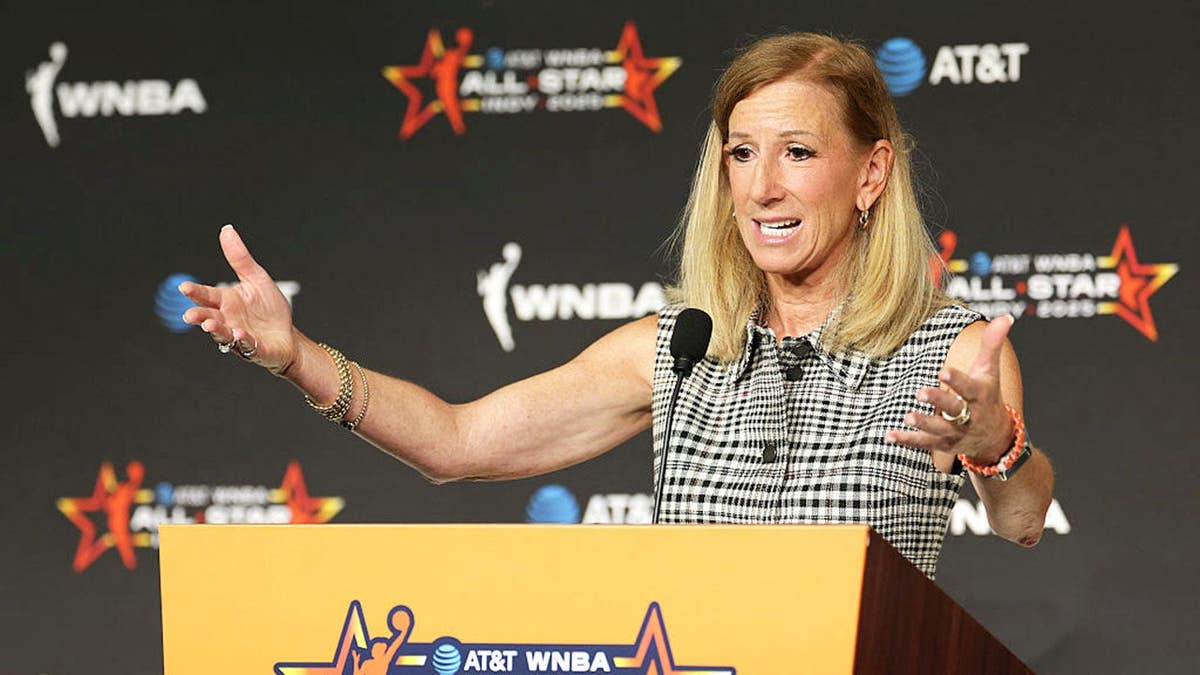
WNBA Commissioner Cathy Engelbert announced her retirement effective at the end of the 2026 season. Her leadership began in 2019, and during her time, the league’s scale, visibility, and value increased. The league expanded, secured major media-rights deals, and introduced charter travel. Player compensation also rose thanks to a new collective bargaining agreement before the 2026 season. NBA Commissioner Adam Silver highlighted this as the WNBA’s most significant growth period. The question remains: does Engelbert deserve credit for these achievements?
The Role of a Commissioner
Commissioners oversee revenue, television ratings, and franchise valuations, but also maintain player relationships. Engelbert’s tenure saw tumult in these areas. She had challenges protecting the league’s reputation and managing controversies. Ensuring entertaining, credible games remains her strong suit, but her time was contentious, leading to her retirement decision.
The ‘Wubble’ and Political Shift
Engelbert faced a major challenge with the COVID-19 pandemic and the 2020 season. The WNBA created the “Wubble” in Florida to complete the season. While successful, the league embraced a prominent social-justice role. Players wore messages supporting movements like Black Lives Matter. The league’s political positions alienated some fans seeking a sports escape. Engelbert faced criticism for aligning the league with left-wing politics.
Pregnancy Controversy with Dearica Hamby
Engelbert’s leadership faced scrutiny over the treatment of pregnant athletes. Former player Dearica Hamby experienced alleged mistreatment after revealing her pregnancy. The league investigated and penalized Las Vegas with a draft pick loss and coach suspension. This incident highlighted the need to protect pregnant athletes and placed Engelbert in a difficult position.
Charter-Flight Controversy
Travel arrangements for WNBA teams became a contentious issue. Historically reliant on commercial flights, teams faced backlash over player exhaustion and safety. In 2024, the introduction of a league-wide charter program followed growing attention and money influx from Caitlin Clark. Engelbert initiated this change, though Clark’s influence in bringing attention to the need was significant.
Officiating Issues
Caitlin Clark’s rise led to scrutiny of WNBA officiating. Inconsistent calls and physical play raised concerns about player protection. Fans questioned whether the league protected its stars adequately. Engelbert responded by forming a committee to address these concerns, but improvement is needed. Clark’s presence has been crucial for the league’s growth.
“Pay Us What You Owe Us” Movement
The WNBA faced financial challenges despite drawing record attention. Players argued for fair compensation given the league’s growth. During the 2025 All-Star Game, players wore shirts demanding their rightful share of revenue. Negotiations led to a new agreement, though Caitlin Clark’s impact was notable in this achievement.
Criticism from Napheesa Collier
In September 2025, Napheesa Collier criticized Engelbert’s leadership, labeling WNBA leadership as the worst. Complaints focused on officiating, player safety, compensation, and communication. Engelbert acknowledged the need to improve trust and accountability.
Transgender-Athlete Controversy
Engelbert navigated the sensitive topic of transgender athletes in women’s sports. An established task force failed to address questions of gender participation. Fans were alienated over political biases, with incidents involving fan and player confrontations over gender-related issues.
Engelbert’s Legacy
The WNBA took strong stances on social causes, creating divisiveness under Engelbert’s leadership. Some fans and players felt excluded due to political leanings. Engelbert’s legacy will be remembered for politics overshadowing basketball. The league now seeks leadership that understands business, unites fans, and promotes athletes like Caitlin Clark.