
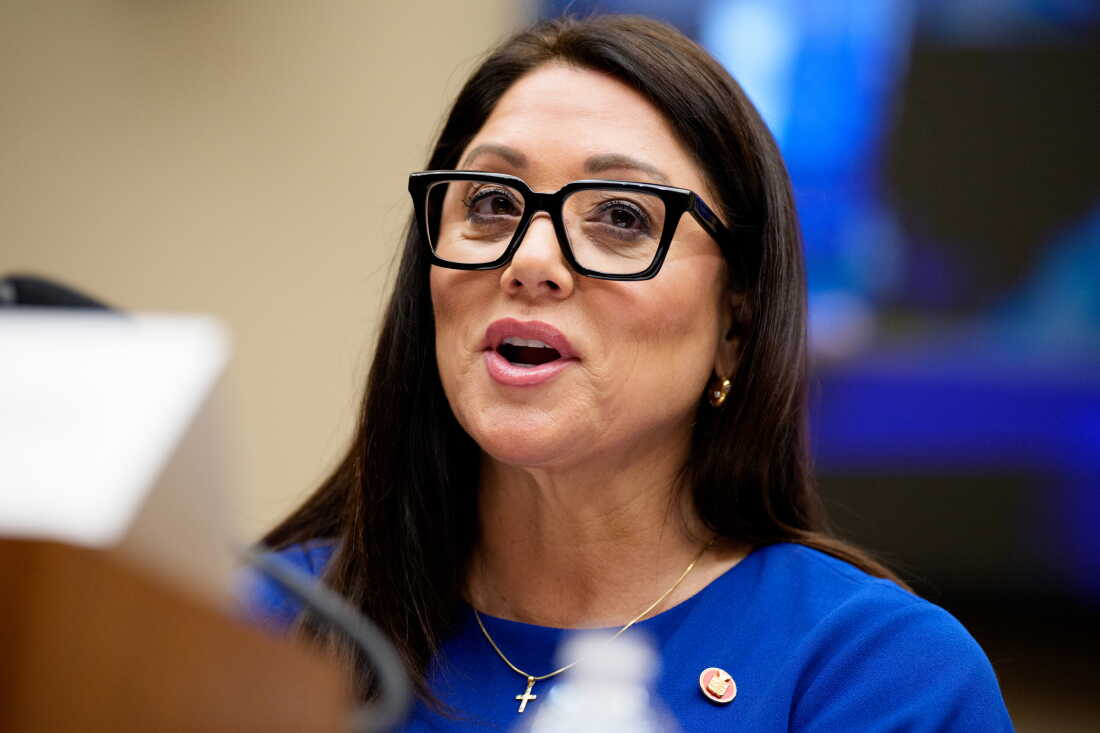
On June 5, 2025, former Labor Secretary Lori Chavez-DeRemer was discussed during a hearing on Capitol Hill. According to a recent report by the Labor Department’s Office of Inspector General (OIG), Chavez-DeRemer violated her department’s no-harassment policy. The investigation started after receiving an anonymous complaint, leading to several findings against her.
Investigation Background
The OIG’s investigation was initiated under Anthony D’Esposito, a former Republican Congressman. It revealed Chavez-DeRemer’s inappropriate conduct, including fostering a hostile work environment and non-compliance with travel regulations. The inquiry included interviews with 53 former and current Labor Department employees. Although not interviewed, she resigned a day before her scheduled interview. Her attorney, Nick Oberheiden, noted that the report did not indicate any legal violations.
Key Findings
Given the Labor Department’s mission to improve working conditions, here are four key findings from the investigation:
1. Awareness but Inaction on Harassment
The Office of the Secretary was described as toxic. Witnesses alleged verbal abuse and inappropriate comments by Chavez-DeRemer’s chief of staff and deputy, including threats and inappropriate hiring practices. The investigation concluded that Chavez-DeRemer knew about these behaviors but did not act, breaching department policies.
2. Employees Forced into Inappropriate Actions
The investigation probed Chavez-DeRemer’s alleged affair with her security detail, finding evidence of an unprofessional relationship. One incident involved her instructing an employee to comply with inappropriate requests at a club, illustrating misuse of authority.
3. Personal Favors by Subordinates
Chavez-DeRemer directed personal errands during work hours, using official resources. This included organizing her wardrobe outside official duties, violating ethical standards. Such misuse of department resources for personal tasks was documented with video evidence.
4. Misuse of Official Travel
Her “America at Work” tour often used creative official engagements to justify personal travel expenses. An example involved repurposing a deputy’s engagement in Las Vegas for personal benefit, involving unreported gifts, a clear breach of ethics training policies.
After Chavez-DeRemer’s resignation, Keith Sonderling was appointed as acting labor secretary, continuing in the role.