
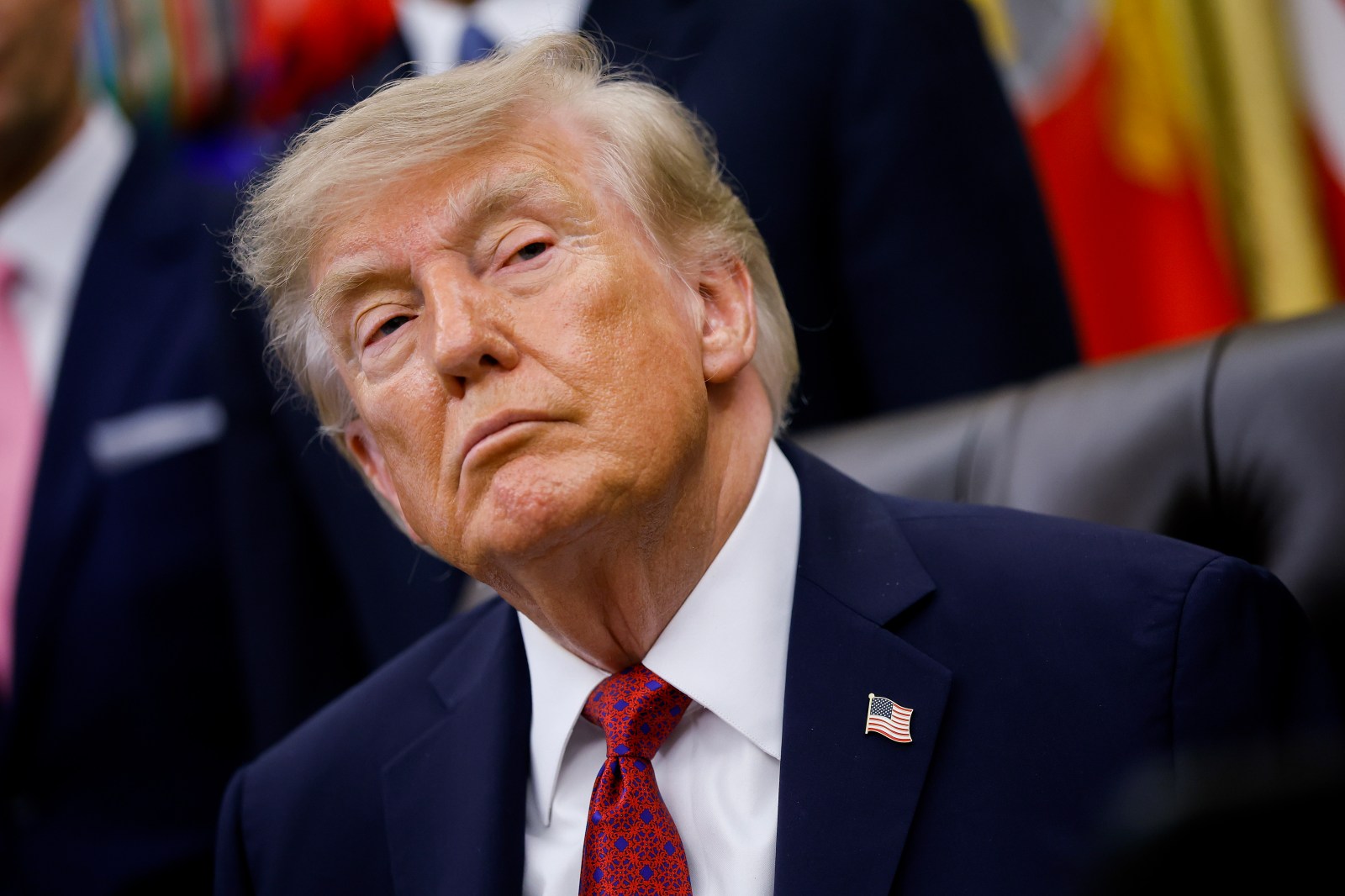
Republican Utah Governor Spencer Cox expresses his reflections on political violence, particularly in terms of a 2024 assassination attempt on former President Donald Trump. In his upcoming book Off Ramp, he shares his thoughts on how this event could have been a turning point to reduce political hostility in America. Cox aimed to break a cycle of retaliation and contempt but eventually concluded that he did not succeed.
Attempts to Bridge Political Divides
Cox aimed to build bridges with Trump and Joe Biden, viewing America as a nation nearing significant conflict due to political differences. He believed in gradual peacemaking, acknowledging the complexity involved rather than expecting quick transformations of political opponents.
Cox writes, “The problem is that we aren’t just disagreeing with each other; we’re despising each other. Peacemaking has sometimes been stigmatized as weak. But the real political danger facing America today is not disagreement but contempt.”
After a bullet grazed Trump’s ear during a rally in July 2024, Cox saw it as a potential inflection point. He urged Trump in a letter to embrace national unity and highlighted the opportunity to unify and save the country. Cox had not endorsed Trump previously, which made his appeal for unity significant.
Efforts to Nurture Trump Relationship
Despite their differences, Cox supported Trump, focusing on common ground on issues like border security. A meeting in the Oval Office between the two covered topics ranging from tariffs to immigration reform. Yet, Cox’s hope for Trump to prioritize unity over retaliation did not materialize fully.
Cox also attempted to convince Biden to pardon Trump, seeing it as a chance for national healing. Despite Biden’s initial interest, he did not pursue the pardon, citing demands for justice from many Americans.
Charlie Kirk’s Death and Its Impact
Cox reflects on the shooting death of Turning Point USA founder Charlie Kirk. He recalls hearing the news during a staff lunch and recognizing the political violence he had long warned about. He addressed the public, condemning the attack on Kirk as a political assassination.
Online reactions to Kirk’s death, some celebrating the violence, left Cox questioning America’s social climate. He emphasizes the importance of recognizing opponents as fellow citizens, not enemies.
In the aftermath, Cox praises Erika Kirk, Charlie’s widow, for forgiving the accused, which he describes as an act of courage. Forgiveness, Cox argues, is essential for changing political culture.
Cox concludes that political violence rises when contempt becomes normalized. His book calls for finding ways to disagree civilly, highlighting the need for more peacemakers in American politics.