
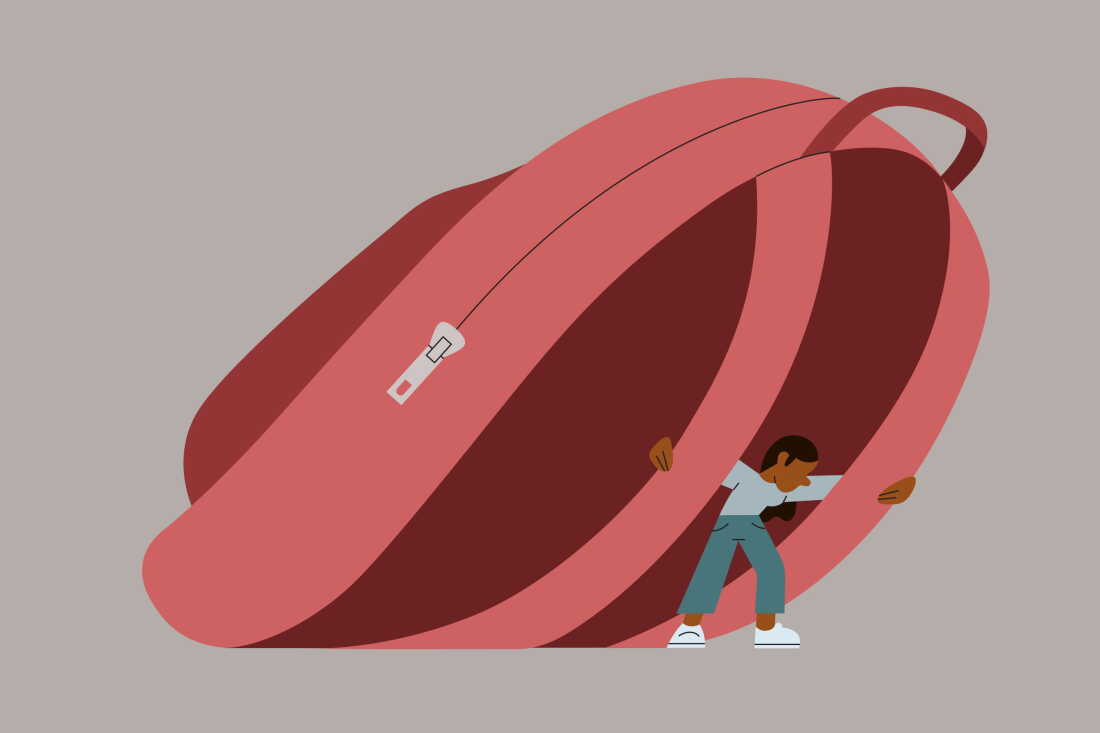
Today’s teens face significant emotional challenges, and parents often struggle with difficult conversations. A Gallup poll highlights these issues, and teen psychologist Lisa Damour offers guidance for parents as a new school year begins.
A survey by the Walton Family Foundation and Gallup, in collaboration with Lisa Damour, provides insights into the emotional landscape of Gen Z youth. The study surveyed 1,675 children aged 10 to 18 and one of their guardians. Findings indicate that Gen Z kids, especially girls and teenagers, experience pressure to be perfect and heightened negative emotions like anxiety.
Understanding Unique Challenges
Lisa Damour notes that being a pre-teen and teen has always been challenging, but this generation faces unique difficulties. Academically, they are expected to perform highly, while navigating the taxing social media environment. Moreover, about two-thirds worry about their future, wondering about the world they will inherit as adults.
Encouraging Imperfection
Approximately one in three Gen Zers struggles with perfectionism, with girls, teens, and oldest children being most affected. These pressures can harm self-esteem. The study notes that those feeling pressured to be perfect report higher levels of anxiety, sadness, and stress.
Parents should reassure their teens that imperfection is natural. Encourage them to see mistakes as opportunities for growth while maintaining self-regard. Emphasize that they are worthy and decent, despite shortcomings. This understanding may alleviate the detrimental emotions associated with striving for perfection.
Effective Communication
The survey found that one in six parents struggle with comforting or communicating with their teens. Many parents assume that teens are reluctant to speak or uninterested in adult perspectives. However, teenagers value these conversations highly.
Damour advises caregivers to initiate discussions about concerns. If unsure, listening is often most helpful. Teens requested adults listen first and take their feelings seriously rather than offering advice. Look for natural conversation openings to express your worries.
Embracing Emotional Complexity
According to the findings, the emotional lives of preteens and teenagers are diverse. Although nearly all reported feeling happiness recently, significant numbers also felt stress, anxiety, and sadness.
Damour explains that teens experience intense emotions, which are signs of development rather than problems. Parents should view mood swings as typical reactions to situations. For example, not being invited to a social event may understandably trigger sadness.
Kids have healthy coping strategies, such as crying, spending time with pets, or exercising. Parents should only be concerned if harmful coping methods are used. Negative emotions are normal, but how one responds to them is crucial.
The digital story, crafted by Malaka Gharib, involved editing by Andee Tagle and Meghan Keane, with Beck Harlan as visual editor. For feedback, contact [email protected]. Listen to Life Kit on Apple Podcasts and Spotify, or subscribe to our newsletter.