
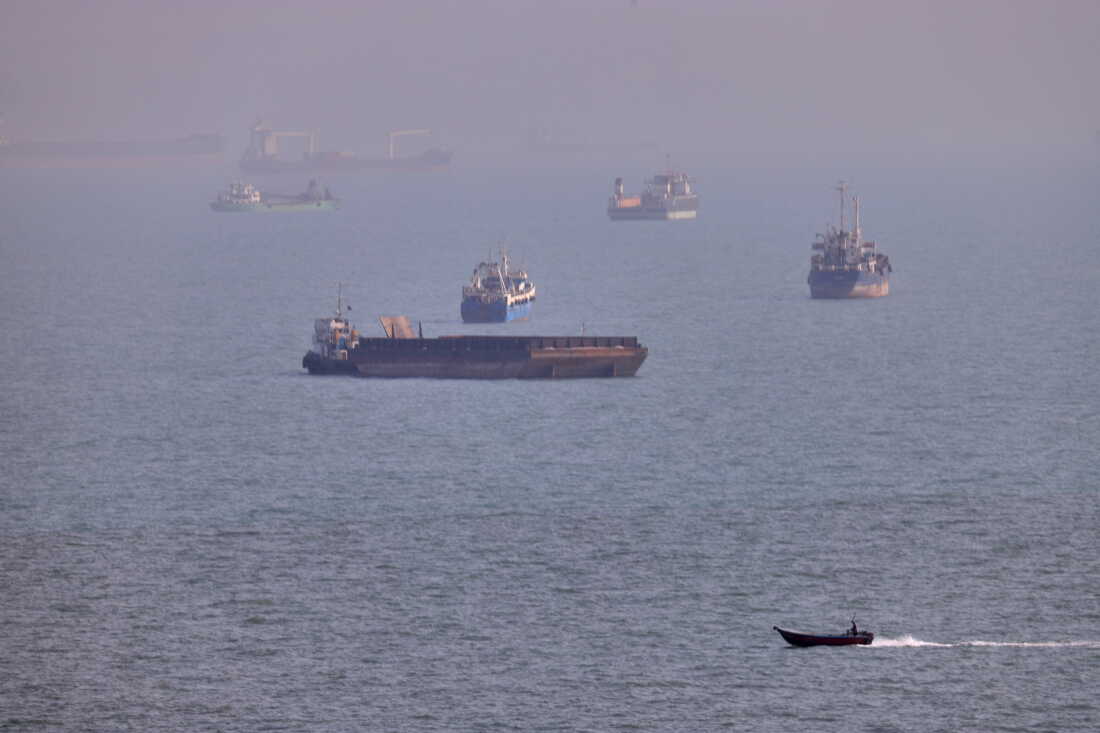
The ongoing conflict between the United States and Iran intensified as the U.S. military targeted sites in Iran in response to attacks from Tehran. The U.S. strikes, which began on Tuesday, hit Iranian military installations including air defenses and radar systems. This renewed action follows a brief period of relative calm and has contributed to rising oil prices due to tensions in the Strait of Hormuz.
U.S. Military Strikes in Iran
Local officials report that one of the U.S. strikes hit a residential home during a wedding in southern Iran, resulting in five deaths, including a child, and injuring numerous others. U.S. Central Command confirmed targeting Iranian military assets, emphasizing that the strikes were responses to Iranian threats against American ships and forces in the Middle East.
Iran’s Retaliatory Measures
Following the U.S. military actions, Iran launched missiles towards Jordan, claiming to aim at a U.S. base near the Gulf of Aqaba. While Jordan’s military intercepted most of these missiles, a few landed harmlessly in uninhabited areas. Reports indicate that Iran also attempted drone strikes against U.S. positions in Bahrain, which were intercepted.
These crimes will not go unpunished.– Ebrahim Azizi, Iranian official
Iranian state media have accused the U.S. of targeting civilian sites, including a factory and an airport in southern Iran. This has fueled further tensions, with Iranian officials issuing threats of severe retaliation.
Economic Impact and Oil Prices
The conflict has heavily impacted global oil prices due to the strategic importance of the Strait of Hormuz. As 20% of the world’s oil supplies pass through this waterway, disruptions have led to a significant increase in crude oil prices. This, in turn, has escalated gasoline prices in the U.S., adding economic pressure.
Political Ramifications and Ceasefire Talks
The Trump administration initially attempted to curb Iran’s actions through economic sanctions. However, the renewed military conflict has highlighted challenges in maintaining stability. Prior to the recent strikes, Iran expressed willingness to return to a ceasefire agreement from June, contingent on U.S. compliance with previous commitments. Negotiations have failed to yield a lasting solution, and tensions remain high.
Broader Regional Implications
The continuation of hostilities poses significant risks for regional security, given Iran’s previous attacks on U.S. military bases and infrastructure in Gulf countries. Efforts to de-escalate remain a priority, but further violence could lead to broader conflict.