
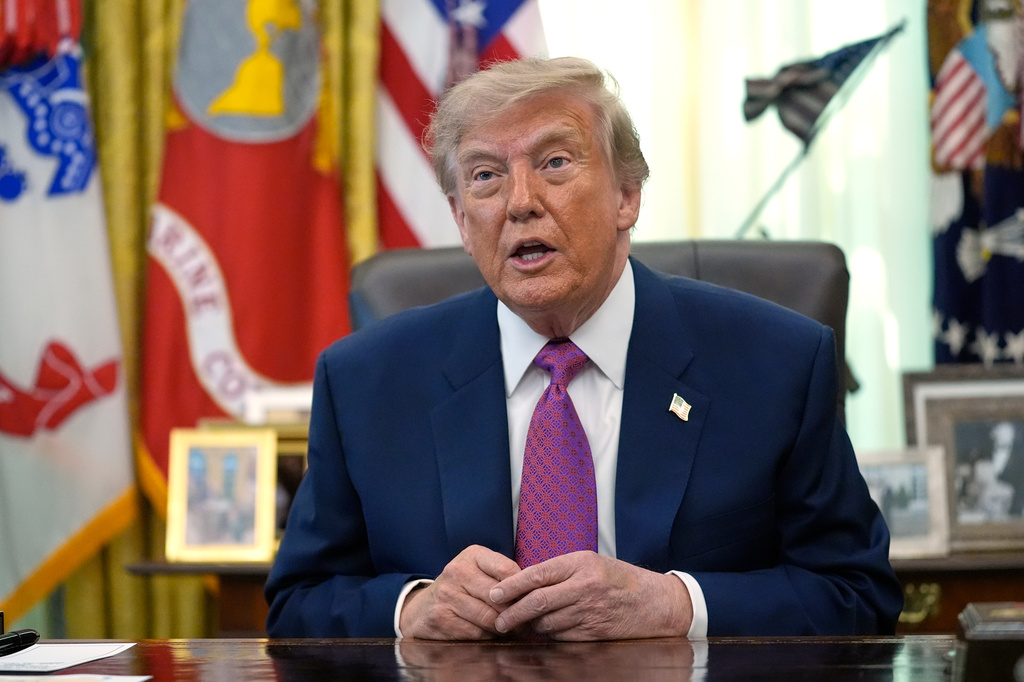
President Donald Trump addressed the nation from the Oval Office on August 27, 2026. Historically, the presidency has been associated with significant power, especially as the United States rose to superpower status. Presidents, dating back to Theodore Roosevelt, have understood the weight of their words and actions in foreign relations. Roosevelt’s famous proverb about speaking softly while carrying a big stick encapsulated the gravitas associated with the role of the presidency.
In stark contrast, President Trump has been known for his direct and blunt communication style, notably on social media and various public platforms. His approach seemed refreshing to some, offering straightforward remarks in an era where many politicians are excessively cautious with their language. This plain-speaking approach resonated with a portion of the American public weary of political correctness.
During his second term, Trump’s rhetoric became increasingly bold. With the support of all branches of government, he pursued his policy goals aggressively. Initially, this seemed to bring about changes, such as increased NATO spending and adjustments in business and university policies in response to his threats. However, the impact of Trump’s tactics began to diminish as more entities grew resilient to his bluster.
The administration’s handling of Iran exemplifies this shift. Their strategy, dubbed Operation Economic Outcast, aimed to isolate Iran economically. Yet, the frequent threats of destruction did not achieve the desired diplomatic results, as Iran chose to withstand the pressure, leaving the U.S. to manage domestic economic consequences.
Canada also reacted to Trump’s policies, particularly in trade, by preparing to bear the repercussions of a deteriorating diplomatic relationship. Efforts to weaken trade ties have led to a scenario where Canadian officials view American overtures with skepticism.
In his first term, Trump’s strong statements were moderated by experienced advisors, which helped maintain a balance between assertiveness and caution. However, his current cabinet lacks such moderation. This shift has resulted in a team of advisors echoing his approach, irrespective of the potential for ineffectiveness.
Historically, presidents like Ronald Reagan and George W. Bush wielded their influence effectively by balancing firmness with diplomacy. Reagan’s call for the Soviets to ‘tear down this wall’ exemplified this balance without resorting to threats. Likewise, Bush maintained a focused message post-9/11, despite subsequent strategic errors.
Currently, President Trump’s unpredictable and confrontational style has diminished his influence, rendering him less effective in both domestic and international arenas. As a result, opponents and allies are increasingly dismissing his rhetoric, recognizing the diminishing impact of his declarations.