
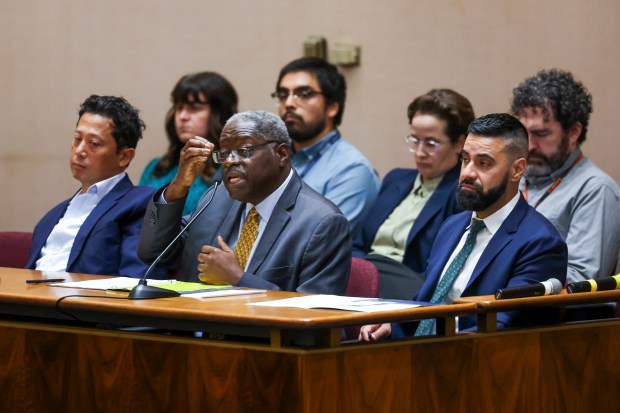
Next month, significant shifts will occur within the Chicago Transit Authority (CTA) as the seven newly appointed members of the CTA governing board take their positions. These members will convene at the agency’s West Loop boardroom and one of their first duties will be selecting a new chair. Lester Barclay, who has been the chair of the existing CTA board, hinted at his interest in continuing his leadership role, despite being reticent about it. Barclay remarked, “If asked, I wouldn’t mind serving, but I think that’s up to the board. I respect the process.”
This restructuring is part of broader governance reforms initiated by the state’s transit funding legislation. This legislation consolidates control under a central governing body while simultaneously generating over $1 billion for public transit annually. By September 1, all current transit board members’ terms will conclude, paving the way for new appointments, although some members are being reappointed. The changing governance structure has driven transit insiders to position themselves for influence as these changes unfold.
Lester Barclay is a polarizing figure within the dynamics of Chicago transportation politics. Some see him as a vestige of a past administration amidst pressure for change.
During the summer, Chicago Mayor Brandon Johnson appointed Barclay to both the new CTA board and to the Northern Illinois Transit Authority (NITA) board. The NITA is poised to become a more robust entity compared to the now-defunct Regional Transportation Authority.
Throughout his appointment process, Barclay encountered criticism from advocates over his past views on transit reform and his tenure under former CTA President Dorval Carter Jr. Some activists also criticized his infrequent use of the CTA. Despite these challenges, Barclay managed to secure endorsement through the City Council, even though the vote wasn’t unanimous. Some advocates, however, are advocating for fresh leadership for the role of the new CTA chair. Kyle Lucas from Better Streets Chicago emphasized that the transit reform legislation aims for a new beginning to build a system people desire.
Alderman Matt Martin expressed a similar opinion, stressing the need for leadership skilled in transportation and capable of crafting a coalition of both activists and experts. Juan Sebastian Arias, leading Elevated Chicago, acknowledged value in both experienced leadership and new visionaries to leverage the upcoming opportunities.
The new CTA board will possess limited power due to state-mandated reforms which increased NITA’s oversight. Yet, the CTA board will continue to influence operations and potentially take part in selecting a president for the agency, currently under interim leadership. Board members will earn between $15,000 to $25,000 depending on their board affiliations.
Other new board members include returning members Michael Eaddy and Neema Jha, along with newcomers Nedra Sims Fears and Ann Kalayil, joined by RTA board members Oswaldo Alvarez and Tom Kotarac. Kotarac has played a pivotal role in NITA’s transition, spearheading committee meetings. The new CTA chair will require the approval of not only the board but also the Illinois Senate, following the selection of NITA’s leader on September 10.
State Senator Ram Villivalam highlighted the legislative intent of ensuring leadership that holds the agencies accountable for safe, reliable, and accessible services. Barclay’s infrequent CTA ridership has been a recurring point of critique from advocates like Nik Hunder, underscoring the concern over his limited interaction with the system. Barclay countered criticisms by highlighting instances of being ushered through fare gates due to recognition or using a personal card.
With CTA’s transitional phase under his leadership, Barclay upheld the board’s accountability in the face of former President Carter’s challenges. Current acting president Nora Leerhsen has won popularity but hasn’t been confirmed for a permanent appointment. The approval process for the CTA president now involves the NITA board, adding a new layer of governance.
Barclay mentioned he remained open to the outcomes of the search for permanent leadership, indicating it’s an evolving process. “It’s Chicago,” he observed. “Anything can happen.”