
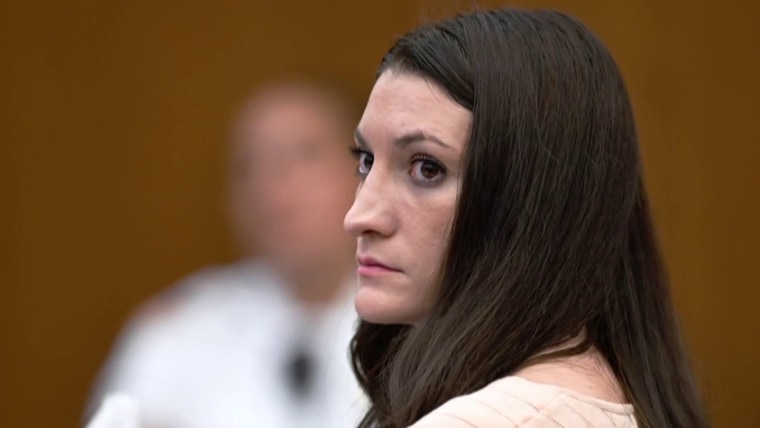
Lindsay Clancy, a mother of three, faced a severe mental health crisis before the tragic events that led to her being accused of murdering her children. In her struggle, Clancy reached out for help from various mental health professionals. Despite her efforts, she was turned away from inpatient treatment and put on numerous medications that seemingly exacerbated her condition.
Efforts to Seek Help
Before the tragic incident on January 24, 2023, Clancy was actively seeking help. She visited psychiatrists, called a suicide hotline, and sought emergency room assistance. Despite these efforts, she was unable to secure inpatient treatment. Over four months, Clancy’s treatment included 13 different medications aimed at addressing her symptoms and the adverse reactions she experienced.
The Trial
Prosecutors built their case by emphasizing that Clancy planned the deaths of her children. They argued she drove her husband away from home to carry out these acts. Over six weeks, 70 witnesses were called to support this view.
Defense Arguments
Clancy’s defense attorneys argued she was suffering from postpartum psychosis, impacting her perception of reality. They stated that her mental state compelled her to act on internal voices. Her defense highlighted her persistent seeking of help and the missed recognition of her condition by medical providers.
Medical Treatment and Diagnosis
Key medical testimonies, like that of Dr. Veerle Bergink and Dr. Tracy Moran Vozar, pointed out systemic issues in Clancy’s treatment. They noted the lack of communication across healthcare providers and the potential misdiagnosis of her condition. Dr. Bergink mentioned that her adverse reactions to antidepressants indicated postpartum psychosis rather than depression.
Timeline of Medical Care
September 2022
Clancy first saw Dr. Jennifer Tufts for anxiety and depression symptoms. She was initially diagnosed with generalized anxiety disorder. Antidepressants were prescribed, but the medications seemed to further deteriorate her condition.
October 2022
In October, Clancy reported worsening symptoms after her dose of Zoloft was increased. She started new medications, including Ativan and hydroxyzine, but improvements were minimal.
November 2022
Clancy’s symptoms persisted, resulting in hospital visits and continued medication changes. Despite efforts, her condition remained unstable.
December 2022
December saw frequent changes in her medications and attempts at inpatient care, which were unsuccessful. Her suicidal thoughts persisted, but formal diagnosis of bipolar disorder was not concluded based on available evidence.
January 2023
In January, Clancy continued to experience severe symptoms and reported to multiple healthcare providers. The verdict on her mental state and treatment remained inconclusive until her tragic actions later that month.
If you or someone you know is struggling or in emotional distress, call or text 988 or chat at 988lifeline.org 24/7 to reach the 988 Suicide & Crisis Lifeline. Additional resources are available at SpeakingOfSuicide.com/resources.